
Jack Nichols (activist)
Jack Nichols (1938–2005) was an American gay rights activist, cofounder of the Washington, D.C. Mattachine Society, leader of early public protests and a pioneering voice on national television.
Overview
John Richard "Jack" Nichols Jr. (March 16, 1938 – May 2, 2005) was an American gay rights activist whose public work in the 1960s helped shape the early homophile movement in the United States. Known for organizing protests, speaking openly about his sexuality and for his role in the Washington, D.C. chapter of the Mattachine Society, Nichols became one of the better-known public faces of early LGBT activism.
Image gallery
1 Image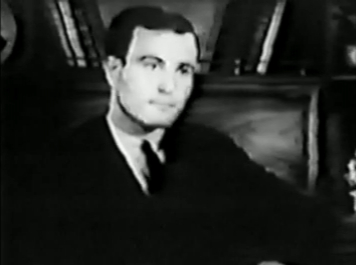
Early life and organizing
Nichols was born in Washington, D.C. and came of age during a period when homosexuality was widely criminalized and pathologized. In 1961 he and fellow activists, including Frank Kameny, established the Mattachine Society's Washington branch to provide mutual support, legal advocacy and visible public protest. That chapter focused on confronting employment discrimination and raising public awareness through demonstrations and letter-writing campaigns.
Public actions and demonstrations
Nichols helped organize and led several of the small, disciplined demonstrations that marked the pre-Stonewall era of gay rights activism. In April 1965 he was a principal organizer of what has been described as the first gay rights march on the White House, an event intended to present legitimate, nonviolent demands to the federal government. He also took part in the Annual Reminder pickets held at Independence Hall in Philadelphia, protests designed to remind the public that homosexuals lacked basic civil rights (Annual Reminder).
Media presence and later life
In 1967 Nichols was among the first Americans to speak publicly about being gay on national television when he appeared on the CBS documentary CBS Reports: The Homosexuals. That exposure — controversial at the time — helped place questions about sexual orientation into mainstream debate, even as it also exposed participants to criticism. Nichols continued to work as an organizer and speaker in later decades and remained associated with efforts to document and remember the early movement.
Legacy and death
Jack Nichols is remembered as a pioneer of visible, public gay activism in the United States: an organizer willing to step into the public eye at a moment when doing so carried significant personal risk. His work contributed to a pattern of demonstrations, community building and media engagement that influenced later civil rights efforts. Nichols died of complications from salivary gland cancer in Cocoa Beach, Florida, on May 2, 2005, at the age of 67.
For further reading about the early homophile movement and Nichols's role, see archival materials and oral histories held by institutions and activist collections that document mid‑20th century LGBT organizing efforts. Contemporary summaries and retrospectives place Nichols alongside other activists who moved the cause from private networks into public advocacy, helping to create the conditions for later, broader campaigns for equality.
Related topics include organizational structures of early gay rights groups, tactics such as picketing and letter-writing, and the role of media exposure in shaping public perceptions of sexuality and civil rights.
Related articles
Author
AlegsaOnline.com Jack Nichols (activist) Leandro Alegsa
URL: https://en.alegsaonline.com/art/48902
Sources
- rainbowhistory.org : "The Washington Area Council on Religion & the Homosexual"
- citizenchris.typepad.com : "Mike Wallace reports on homosexuality... in 1967"
- lgbtran.org : "Jack Nichols"
- worldcat.org : 0365-9402
- pubmed.ncbi.nlm.nih.gov : 1029476