
Jack Aeby: Trinity Photographer and Environmental Physicist
Jack Aeby (1923–2015) was an American environmental physicist and photographer who took the only well-exposed color photograph of the July 16, 1945 Trinity nuclear detonation; his image remains widely reproduced.
Overview
Jack W. Aeby (August 16, 1923 – June 19, 2015) was an American environmental physicist and photographer best known for producing the only well-exposed color photograph of the first nuclear detonation, the July 16, 1945 Trinity test in New Mexico. His image is a rare contemporary color record of an event that marked the beginning of the atomic age and is frequently cited and reproduced in historical accounts of the Manhattan Project.
Image gallery
7 Images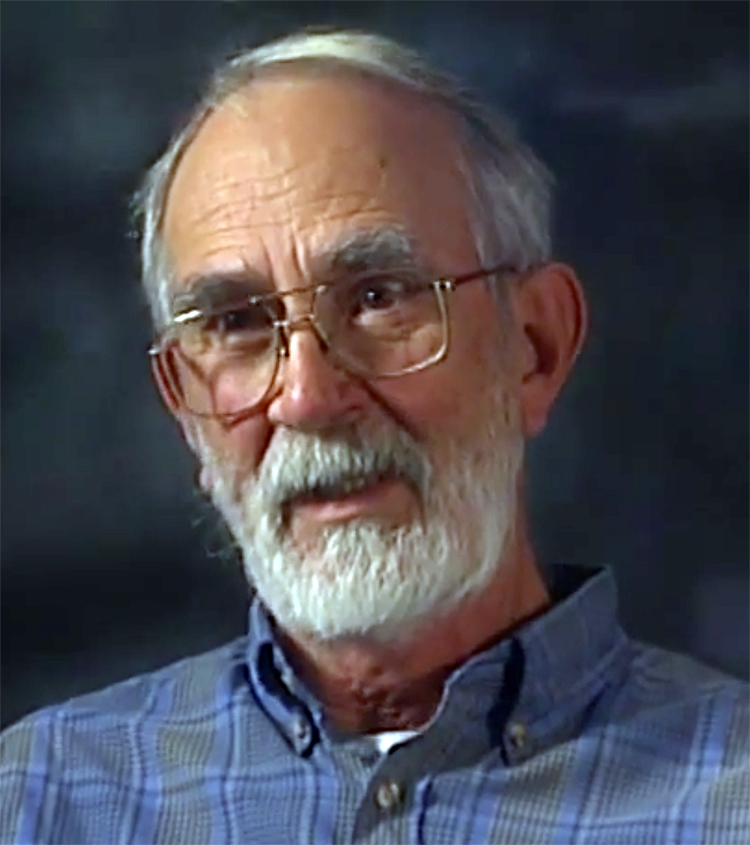


Early life and Manhattan Project role
Aeby worked at Los Alamos during the closing months of World War II as part of the broad scientific and technical effort assembled for the Manhattan Project. Trained in scientific measurement and instrumentation, he was involved in tasks that placed him near field operations at test sites. Like many technical staff at Los Alamos, he combined practical engineering skills with an interest in documenting work through photography.
The Trinity photograph
At the Trinity test Aeby photographed the explosion using a handheld camera and color film. Unlike many other images from that day, his photograph is noted for having been properly exposed and preserved, capturing the fireball, coloration and contrasts in the surrounding desert at early times after detonation. The image offers distinctive visual information not available from contemporary black-and-white frames and has been used repeatedly in books, articles and museum displays to convey the immediate appearance of the blast.
Technique and significance
Observers and historians emphasize that Aeby’s background in measurement helped him judge exposure under extreme lighting. His color image conveys subtle tonal differences and atmospheric effects as the fireball expanded, making it a valuable complement to other photographic records and to technical reports of the test. The photograph has been discussed in studies of historical photography, the visual history of nuclear weapons, and public memory of the Manhattan Project.
Later career and legacy
After World War II, Aeby pursued work in environmental physics and continued to engage with technical measurement and documentation. He participated in interviews and presentations about the Trinity test and his photograph, helping to preserve first-person testimony about the early nuclear era. His image remains an important visual document for historians, curators and the public.
Further information
Biographical summaries and archival descriptions refer to Aeby as both an environmental physicist and a photographer. The photograph is often reproduced in photographic archives and historical treatments, and it is widely referenced in discussions of the first nuclear detonation at the Trinity site. For additional context, consult general histories of the Manhattan Project and photographic collections that document early nuclear testing.
- Born: August 16, 1923.
- Died: June 19, 2015.
- Notable for: the only well-exposed color photograph of the Trinity test.
Related articles
Author
AlegsaOnline.com Jack Aeby: Trinity Photographer and Environmental Physicist Leandro Alegsa
URL: https://en.alegsaonline.com/art/48839