
Izumi Province — historical province of Japan
Izumi Province was a former Japanese province in what is now southern Osaka Prefecture on Honshū, known for coastal plains, Kishiwada Castle, and cultural traditions like the Kishiwada Danjiri festival.
Overview
Izumi Province (Izumi no kuni) was a historical province of Japan that occupied part of what is now southern Osaka Prefecture on the island of Honshū. Established as an administrative unit under Japan's classical provincial system, Izumi functioned for many centuries as a distinct political and cultural region. Its name continues in modern place names such as Izumi City and Izumiotsu.
Image gallery
8 Images


Geography and economy
The province lay on the coastal plain along Osaka Bay and included fertile farmland and access to maritime routes. Its economy combined agriculture, coastal fisheries and port activity; salt production and fishery-related trade were important in premodern times. The proximity to the larger commercial centers of the Osaka area shaped Izumi's development and turned some coastal towns into satellite communities as transportation improved.
History and administration
Like other provinces, Izumi was organized under the ritsuryō system in the Nara–Heian period and later participated in the shifting political landscape of medieval and early modern Japan. During the Sengoku and Edo periods local strongholds such as Kishiwada Castle became focal points of regional authority; Kishiwada and other towns were administered as domains under the Tokugawa shogunate. In the Meiji era provincial boundaries were abolished and Izumi's territory was incorporated into the newly formed Osaka Prefecture.
Legacy and cultural significance
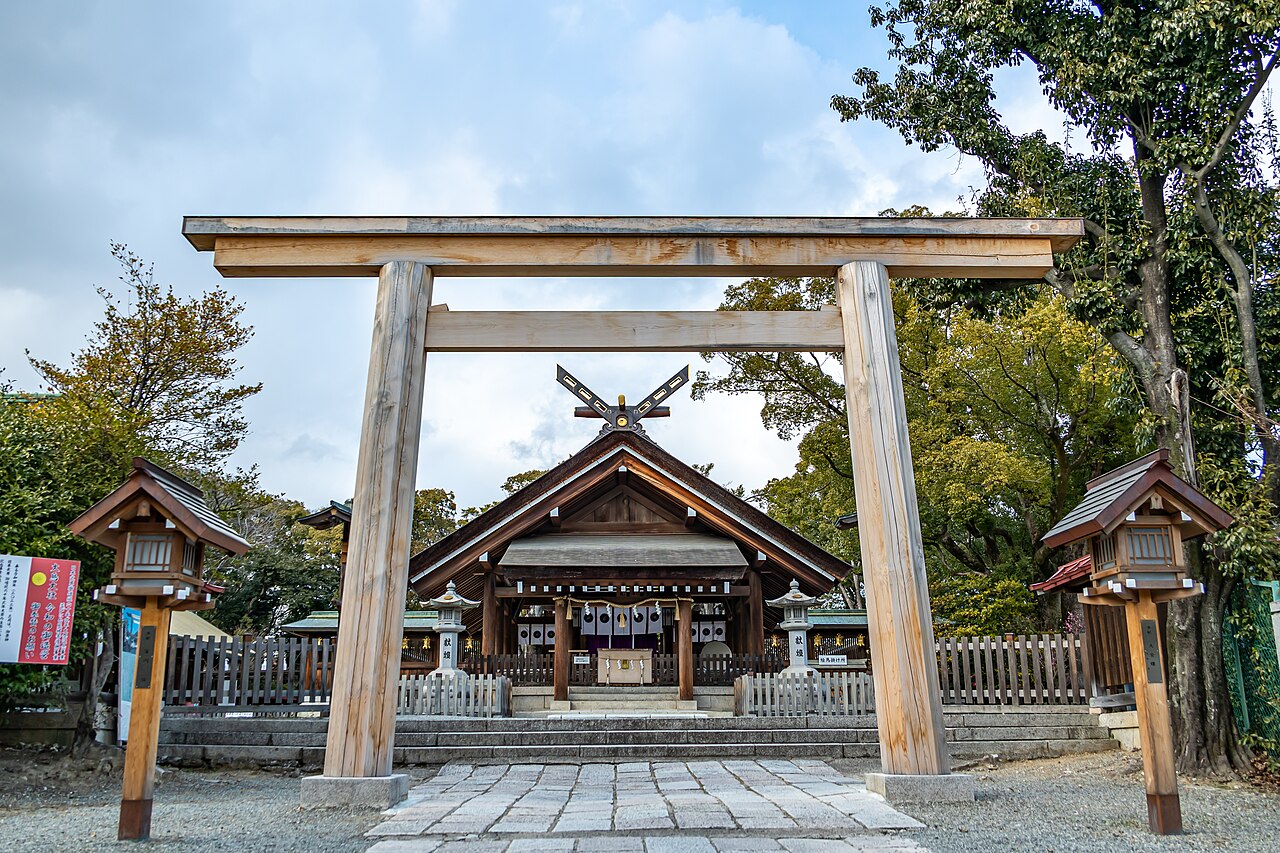
Izumi's cultural imprint survives in festivals, historic sites and place names. Kishiwada's annual Danjiri Matsuri—famous for its ornate, hand-pulled floats and energetic procession—originates in this area and draws wide attention. Remains of castle towns, shrines and archaeological sites attest to the province's long habitation and regional role.
Modern traces and notable places
- Modern municipalities that occupy former Izumi territory include (among others) Kishiwada, Izumi, Izumiotsu and Kaizuka.
- Notable historic sites: Kishiwada Castle and remnants of coastal trading settlements.
- Researchers and visitors interested in Japan's provincial past can consult regional histories or local museums for artifacts and records; general background on Japan's old provincial system is available online at resources such as information portals on historical provinces.
Although it no longer exists as an administrative unit, Izumi Province remains a useful term for understanding the geography, local history and cultural traditions of southern Osaka. Its coastal position and connections to larger economic centers helped shape a distinct regional identity that endures in festivals, place names and historic sites.
Related articles
Author
AlegsaOnline.com Izumi Province — historical province of Japan Leandro Alegsa
URL: https://en.alegsaonline.com/art/48771
Sources
- books.google.com : "Provinces and prefectures"
- books.google.com : Annales de l'Extrême Orient et de l'Afrique, Vol. 6, p. 172
- eos.kokugakuin.ac.jp : "Nationwide List of Ichinomiya," p. 1