
Isle of Palms, South Carolina: barrier island city near Charleston
Isle of Palms is a barrier island city in Charleston County, South Carolina, United States, known for its beaches, resort development, boating and coastal recreation. Population about 4,133 (2010 census).
Overview
Isle of Palms is a small barrier island city off the Atlantic coast of the southeastern United States. It lies in Charleston County in South Carolina and is part of the greater Charleston metropolitan area; the island is within the United States. At the 2010 census the community recorded a population of roughly 4,133, and it functions as both a residential town and a seasonal tourist destination.
Image gallery
5 Images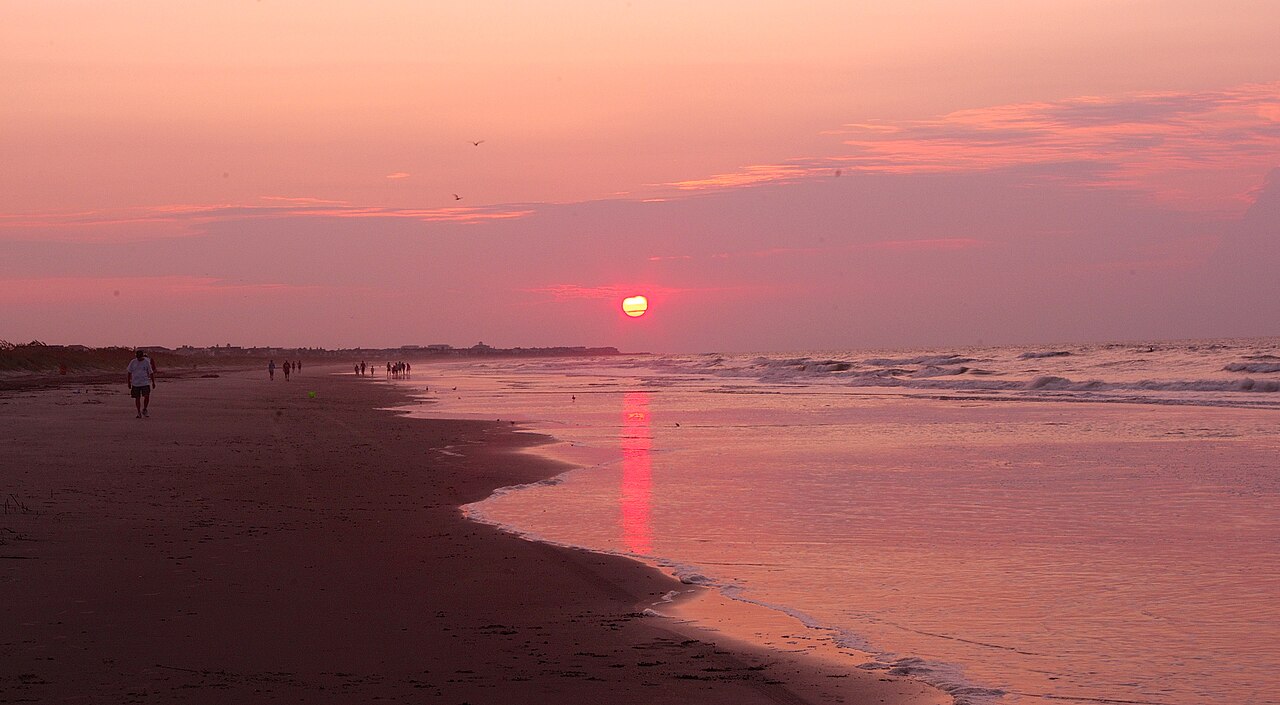


Geography and environment
The island is a classic Atlantic barrier island with sandy beaches facing the open ocean and tidal creeks and marshes on the sound side. A single main road links the island to the mainland via a causeway and bridge; marshes and waterways separate it from nearby Mount Pleasant and Charleston. Natural features include dunes, a seaward beach strand and maritime vegetation that buffer storms and provide habitat for coastal wildlife.
History and development
Originally sparsely populated, the island developed in the 20th century as recreational and residential construction increased. Over time it acquired planned neighborhoods, vacation rentals and resort properties. One of the best-known resort areas on the island attracts golf, spa and conference visitors while other parts remain primarily residential year-round communities.
Recreation and local economy
Tourism and service industries are important to the local economy. Popular activities include beachfront swimming and sunbathing, surf fishing, boating and birdwatching. Facilities and attractions include public beach access points, parks and marina services. Typical offerings include:
- Beachfront parks and picnic areas
- Golf and resort amenities
- Fishing charters and recreational boating
- Dining, shops and seasonal events
Conservation and coastal challenges
Like many low-lying barrier islands, Isle of Palms faces coastal erosion, storm surge and long-term sea-level concerns. Local authorities and property owners periodically undertake dune restoration, beach nourishment and habitat protection measures to preserve the shoreline and maintain public access. The beaches also serve as habitat for shorebirds and other coastal species.
Notable facts
The island is closely connected to the history and tourism economy of the Charleston region. It is often visited as a day trip or seasonal retreat from downtown Charleston and nearby communities, and it balances resort amenities with residential neighborhoods. For practical information on visiting or municipal services, consult local resources and visitor guides.
Related articles
Author
AlegsaOnline.com Isle of Palms, South Carolina: barrier island city near Charleston Leandro Alegsa
URL: https://en.alegsaonline.com/art/48440
Sources
- factfinder.census.gov : "Geographic Identifiers: 2010 Census Summary File 1 (G001): Isle of Palms city, South Carolina"