
Irish Republican Brotherhood (IRB): history, organisation and legacy
Secret oath-bound society founded in 1858 to establish an independent Irish republic. Known as Fenians, the IRB influenced later republican organisations and helped precipitate the 1916 Easter Rising.
Overview
The Irish Republican Brotherhood (IRB) was a clandestine, oath-bound organisation formed with the objective of creating an independent, democratic Irish republic. Often referred to as the Fenians, its members believed that political independence required a combination of political agitation and, where necessary, armed action. The IRB is usually dated to 1858 and remained an influential force in Irish nationalist politics through the late 19th and early 20th centuries.
Image gallery
10 Images

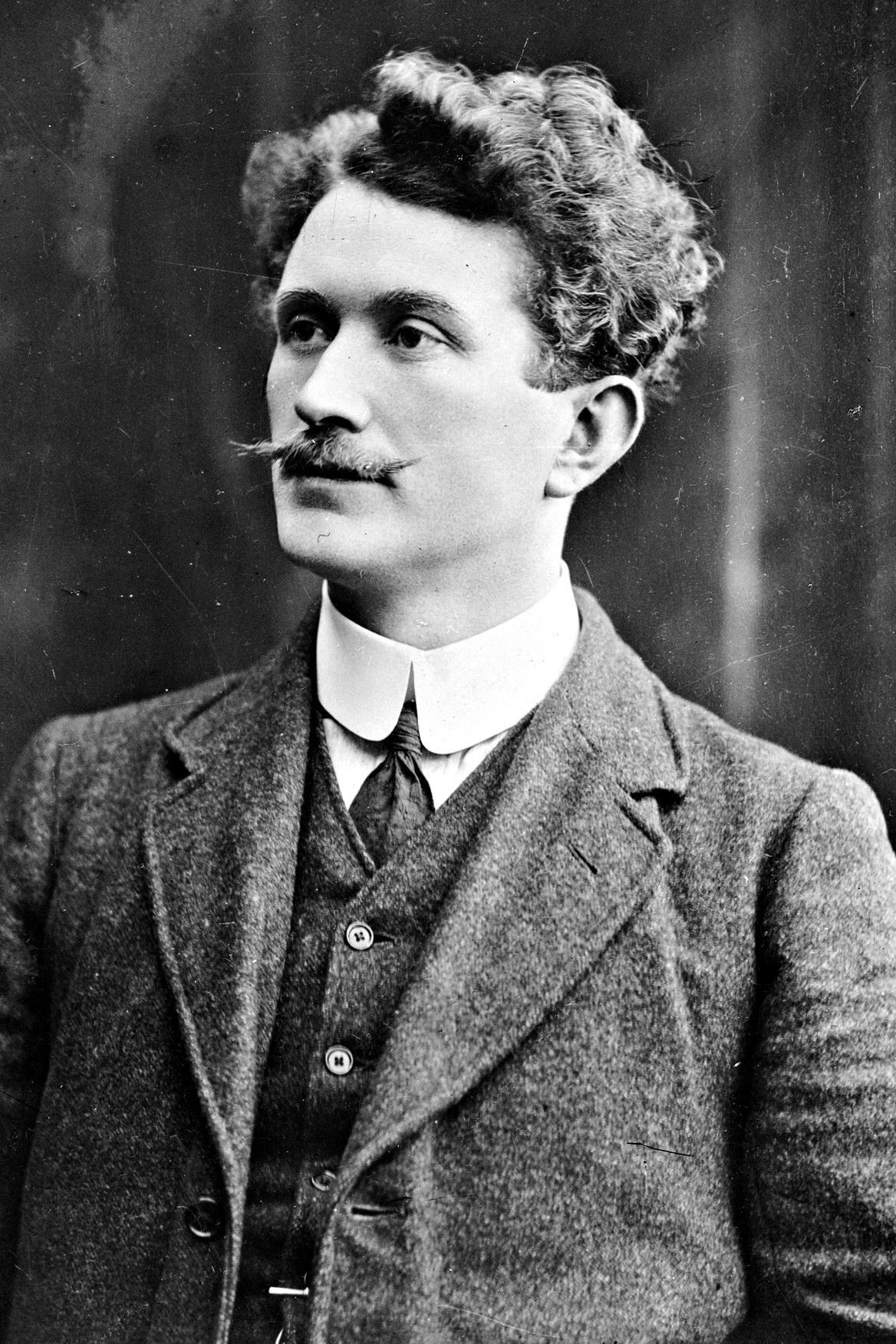


Organisation and characteristics
The IRB operated in secret cells and local branches designed to protect the society from infiltration. A central governing body coordinated strategy and propaganda while smaller units pursued recruitment, intelligence and training. Membership involved a formal oath and a strong culture of discipline and confidentiality. The society maintained both political and military strands, and it developed links with an American counterpart, the Fenian Brotherhood, which provided funds and support.
History and activity
From its mid-19th-century origins the IRB combined conspiratorial planning with efforts to build popular support for republicanism. It was associated with a series of Fenian campaigns and abortive uprisings in Ireland, and with attempts to procure arms abroad. In the 1860s and 1870s a number of raids and guerrilla actions were attributed to Fenian activity, and the organisation inspired agitation among Irish communities overseas. Over time the IRB adapted to changing political contexts, sometimes working alongside cultural and constitutional movements while retaining a separate secret structure.
Role in 1916 and influence on later movements
By the early 20th century the IRB had become a significant influence within the wider nationalist movement. It played a key role in the planning of the 1916 Easter Rising: a Military Committee formed within the IRB helped coordinate the Rising alongside public organisations such as the Irish Volunteers. Several prominent leaders of the Rising were IRB members. The events of 1916 and their aftermath transformed Irish politics and helped create conditions for the later struggle that culminated in partial independence for much of Ireland in the early 1920s.
Notable features and legacy
- Secrecy and oath-bound membership: the IRB's internal discipline and clandestine methods set it apart from open political parties.
- Transatlantic links: collaboration with the Fenian Brotherhood in the United States was an important source of funds and recruits.
- Cultural and political impact: its promotion of republican ideals influenced later organisations, including the Irish Volunteers and elements that formed the Irish Republican Army.
- Common name: members were widely known as Fenians, a name drawn from Irish myth and earlier nationalist movements.
For further reading on the idea that motivated the organisation and its political aims, see material on the concept of an independent democratic republic and the broader history of Irish republicanism.
Related articles
Author
AlegsaOnline.com Irish Republican Brotherhood (IRB): history, organisation and legacy Leandro Alegsa
URL: https://en.alegsaonline.com/art/48184