
Israel Philharmonic Orchestra — history, profile, and significance
Leading Israeli symphony ensemble founded in 1936 as the Palestine Orchestra; renowned for international touring, recordings, and ties with maestros such as Toscanini, Bernstein and Zubin Mehta.
Overview
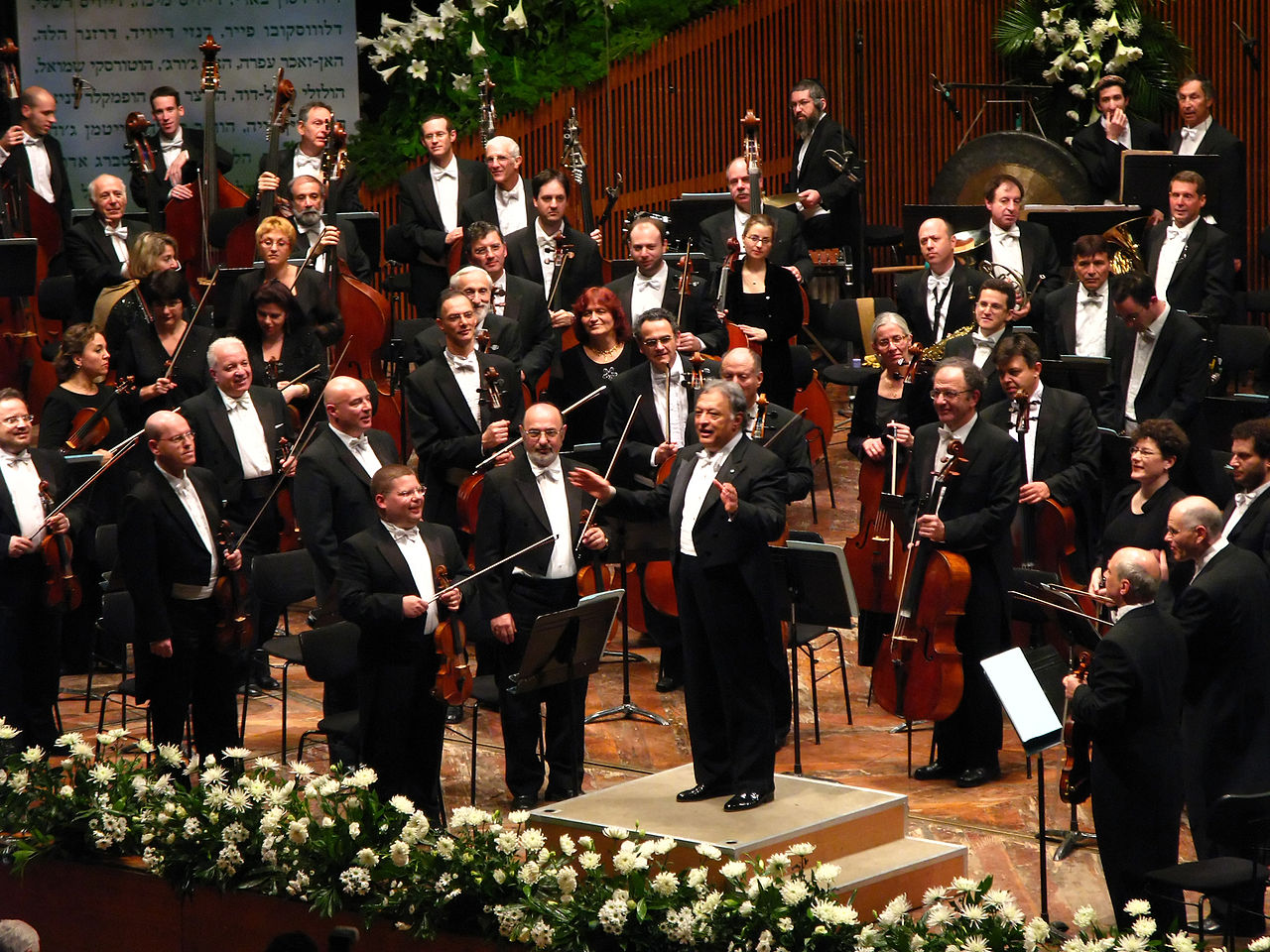
The Israel Philharmonic Orchestra (IPO) is Israel's best-known symphony orchestra and a major cultural institution based in Tel Aviv. In Hebrew its name is התזמורת הפילהרמונית הישראלית (ha-Tizmoret ha-Filharmonit ha-Yisre'elit). Since its founding in the 1930s the ensemble has been central to orchestral life in the country, combining regular seasons at home with frequent international tours and a substantial recording history.
Image gallery
6 Images


Founding and early years
The orchestra was established in 1936 by the Polish-born violinist Bronisław Huberman. At the time it was formed under the name Palestine Orchestra, as Jewish musicians fleeing persecution in Europe sought refuge and work. Its inaugural public concert took place in Tel Aviv on 26 December 1936 and was conducted by Arturo Toscanini, marking a high-profile beginning that attracted international attention.
Artistic development and leadership
Over the decades the IPO has hosted many distinguished guest conductors and soloists. Leonard Bernstein frequently collaborated with the ensemble, and Zubin Mehta developed a long-standing relationship that led to his appointment as Music Director in 1977. Under these and other leaders the orchestra expanded its repertory, made numerous commercial recordings, and gained recognition on the world stage.
Tours, recordings and public role
The orchestra tours internationally and has brought Israeli orchestral playing to concert halls across Europe, the Americas and Asia. A notable and sensitive moment occurred when the IPO visited Germany in 1971, an event loaded with historical resonance given the ensemble’s origins. The orchestra's discography includes symphonic repertoire and film scores, often reflecting collaborations with prominent conductors and soloists.
Traditions and controversies
Reflecting its founders’ experience of antisemitism and the memory of the Holocaust, the IPO has long observed a policy of not performing works by Richard Wagner, whose writings and association with antisemitic movements make his music a contentious choice for many Jewish audiences. This stance has been a defining and debated aspect of the orchestra's public identity.
Community, education and legacy
Beyond concerts and recordings, the orchestra plays a role in music education, outreach and cultural diplomacy. It supports initiatives to cultivate young musicians in Israel and participates in events that connect music with broader civic and cultural concerns. Today the IPO remains a symbol of artistic continuity and national cultural expression.
Further links and resources
- Official overview
- History and timeline
- Hebrew name and pronunciation
- Context of 1930s Europe
- Jewish musicians in exile
- First concert details
- Founding date reference
- Arturo Toscanini and the IPO
- 1971 Germany visit
- Leonard Bernstein collaborations
- Zubin Mehta association
- Music Director appointments
- Performance policy developments
- Wagner and the orchestra's stance
Note: This article summarizes widely reported facts about the Israel Philharmonic Orchestra, its origins, principal figures, touring activity and public positions. For concert schedules, recordings and official statements consult the orchestra's published outlets linked above.
Questions and answers
Q: What is the name of the most famous orchestra in Israel?
A: The most famous orchestra in Israel is the Israel Philharmonic Orchestra, or abbreviated IPO. In Hebrew it is written: התזמורת הפילהרמונית הישראלית, pronounced: ha-Tizmoret ha-Filharmonit ha-Yisre'elit.
Q: When was the orchestra started?
A: The orchestra was started in 1936 by the violinist Bronisław Huberman when it was known as the Palestine Orchestra.
Q: Why did Huberman start this orchestra?
A: Huberman started this orchestra because at this time the Nazis were in power in Germany and Jews were being persecuted. Many European orchestras were getting rid of their Jewish musicians.
Q: Who conducted their first concert?
A: Their first concert was conducted by Arturo Toscanini on 26 December 1936 in Tel Aviv.
Q: Who has had a close relationship with them?
A: Leonard Bernstein and Zubin Mehta have had a close relationship with them.
Q: When did they appoint a main conductor?
A: They appointed a main conductor in 1977 when Mehta was made Music Director.
Q: What music have they refused to play since 1938 ?
A: Since 1938, they have refused to play any music composed by Richard Wagner because he was anti-Jewish.
Related articles
Author
AlegsaOnline.com Israel Philharmonic Orchestra — history, profile, and significance Leandro Alegsa
URL: https://en.alegsaonline.com/art/48507