
Interstate 76 (western segment): Arvada, Colorado to Big Springs, Nebraska
A concise overview of the western Interstate 76: route, characteristics, history, and its role linking the Denver region with the I‑80 corridor toward Nebraska.
Overview
Interstate 76 (western segment) is a component of the U.S. Interstate system that runs northeast from the Denver metropolitan area toward western Nebraska. Beginning near Arvada, Colorado, and terminating close to Big Springs, Nebraska, the highway covers about 188 miles and provides a direct link between I-70 in Colorado and I-80 to the north.
Image gallery
5 Images
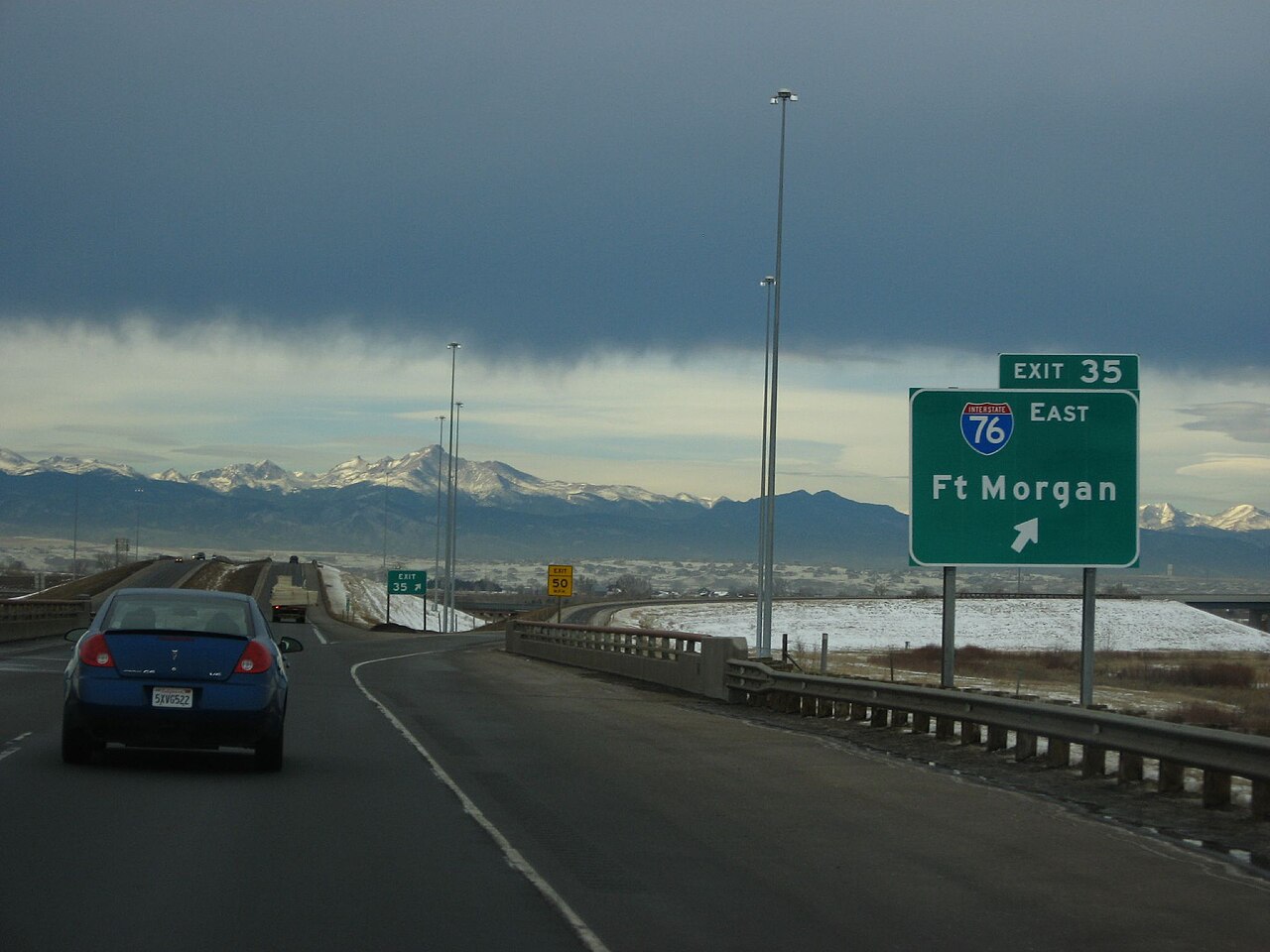


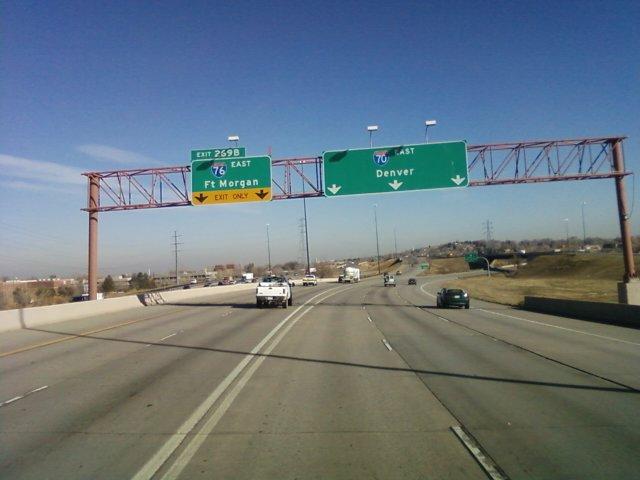
Route and characteristics
The corridor moves from the urban fringe into broad High Plains, serving both commuter and long‑distance traffic. Key characteristics include:
- Endpoints: near Arvada, Colorado and near Big Springs, Nebraska.
- Length: roughly 188 miles (route length rounded from official totals).
- Terrain: transitions from suburban and river valley near Denver to agricultural plains across eastern Colorado and western Nebraska.
- Function: connects local communities, supports freight movement, and links the I-70 and I-80 corridors.
History and development
This segment was developed as part of the nationwide Interstate Highway program begun in the mid‑20th century. Construction proceeded in stages, upgrading older federal and state highways and providing a limited‑access route designed for higher speeds and heavier commercial traffic. Improvements over time have focused on interchange safety, pavement renewal, and accommodating growing freight demands out of the Denver logistics market.
Uses and importance
The western I-76 plays several roles: it is a commuter route for suburbs north and east of Denver, a principal artery for agricultural and manufactured goods moving between the central Plains and national freight routes, and a bypass option for traffic between I-70 and I-80. It supports regional economies by linking distribution centers, farms, and smaller towns to interstate freight networks.
Notable facts and distinctions
Although it shares the number 76 with an eastern Interstate (which runs in the Ohio–New Jersey area), this western portion is a separate, noncontiguous route within the Interstate numbering system. For broader context on how interstates are planned and numbered, see the Interstate Highway System.
Today the highway remains an essential but often rural corridor with periodic urbanized stretches near the Denver region; it continues to be maintained and upgraded to balance local mobility with national freight needs.
Related articles
Author
AlegsaOnline.com Interstate 76 (western segment): Arvada, Colorado to Big Springs, Nebraska Leandro Alegsa
URL: https://en.alegsaonline.com/art/47798
Sources
- dot.state.co.us : Highway Data
- nebraskatransportation.org : Nebraska Highway Reference Log Book