
Illuminati: origins, aims, suppression, and modern cultural impact
An overview of the Bavarian Illuminati founded in 1776: its founding, Enlightenment aims, structure, suppression, and how the name became a lasting element of conspiracy theories and popular culture.
The Illuminati (literally "the enlightened ones") was an 18th‑century secret society founded in Bavaria during the European Enlightenment. Formed at the University of Ingolstadt on 1 May 1776 by the professor Adam Weishaupt, the group sought to promote reason and secular values in opposition to what its members regarded as superstition, religious domination of public life, and abuses of political power. Contemporary accounts and later historical studies show the original Illuminati as a small, regionally focused association of intellectuals and sympathizers rather than a far‑reaching global cabal. For contemporary summaries and archival references see background material and biographical notes on its founder at Weishaupt sources.
Image gallery
6 Images



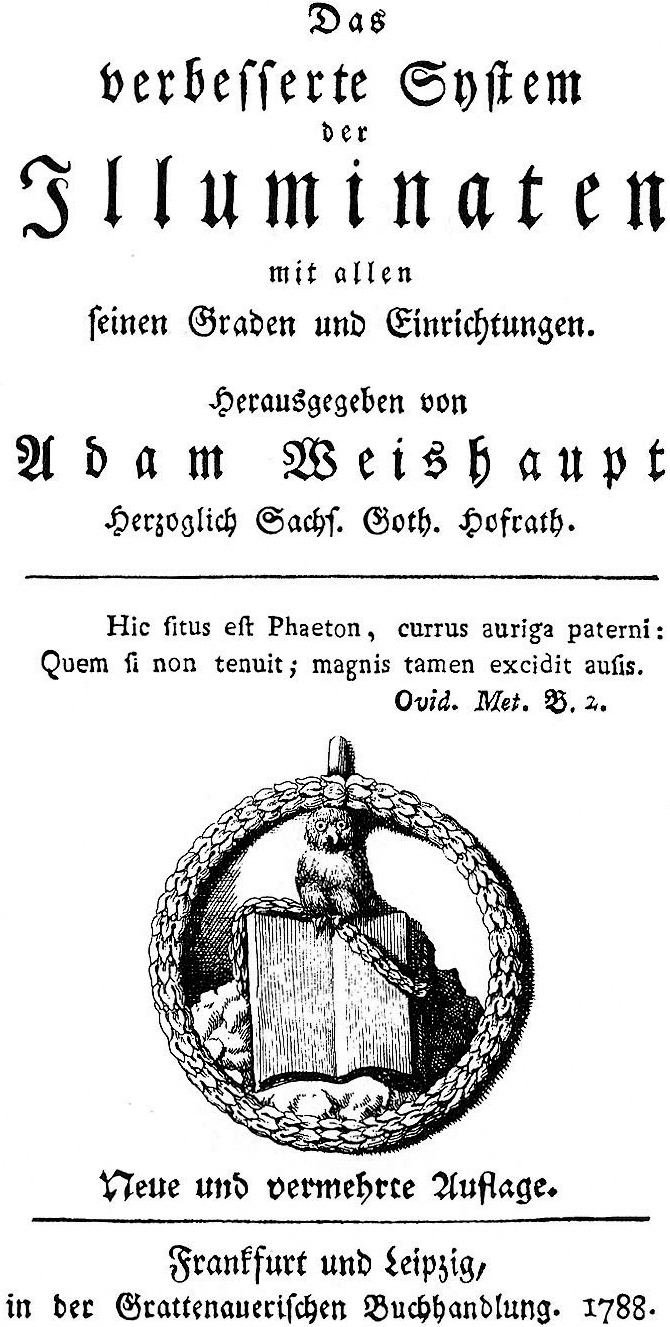

Origins and historical context
The society arose in the climate of the late Enlightenment, when many European thinkers questioned traditional authority and promoted reforms in education, law and government. Weishaupt, trained as a philosopher and lawyer, envisioned a network through which enlightened elites could encourage ethical improvement and civic virtue. The group adopted a system of grades and rituals, drawing inspiration from contemporary Freemasonry and classical republican ideas. Conservative and clerical authorities in Bavaria regarded such organized secrecy with suspicion; the movement was formally outlawed by Bavarian authorities in 1785. For more on the period context and primary documents consult academic summaries and regional records at Bavarian legal notices.
Aims, organization and practices
The Illuminati’s stated aims emphasized education, rational inquiry, and opposition to superstition and intolerance. Members worked within discreet cells and used initiatory stages to admit and instruct recruits. Typical emphases included:
- promotion of secular education and moral improvement;
- critique of clerical influence in governance;
- advocacy of legal and social reforms consistent with Enlightenment thought.
While ritualized, the organization appears to have been pragmatic and modest in size; surviving correspondence and lists suggest active networks but not the mass conspiracies later alleged by critics. Reliable discussions of its statutes and internal organization are available at document collections.
Suppression, decline and later uses of the name
After Bavarian censorship and police action in the mid‑1780s, many members dispersed, and the original society effectively ceased public activity. In subsequent decades the label "Illuminati" was applied loosely by opponents and commentators to multiple groups, and the name was adopted by unrelated societies and social clubs seeking the cachet of secrecy or Enlightenment ideals. Scholarly studies caution against conflating the historical Bavarian order with later organizations that used the name for different purposes; see comparative treatments at comparative histories.
Modern myths, cultural impact and distinctions
From the 19th century onward the term "Illuminati" entered popular imagination and conspiracy literature. A persistent set of myths portrays the Illuminati as a hidden power manipulating world events. Historians and investigators find no credible evidence that the historic Bavarian society survived in a form capable of global political control. Instead, the endurance of the name reflects cultural fascination with secrecy, elite networks, and hidden knowledge. Popular references appear across novels, films, and internet communities; for a cautious overview of modern claims and their critique see modern commentary.
Today the Illuminati is best understood in two separate senses: as a specific historical organization with clear 18th‑century origins and goals, and as a mythic symbol used in conspiracy theories and popular culture. Distinguishing the documented archival record from later imaginative elaborations is essential for accurate study. For additional reading and primary sources consult the links provided above and standard works on Enlightenment networks and secret societies.
Related articles
Author
AlegsaOnline.com Illuminati: origins, aims, suppression, and modern cultural impact Leandro Alegsa
URL: https://en.alegsaonline.com/art/46745
Sources
- freemasonry.bcy.ca : A Bavarian Illuminati Primer
- illuminati-order.com : "The Illuminati Order Homepage"
- illuminati-order.org : "Official website of The Illuminati Order"