
Illats — commune in Gironde, Nouvelle-Aquitaine, France
Illats is a rural commune in the Gironde department of Nouvelle-Aquitaine, southwestern France, known for its agricultural landscape, local heritage and proximity to the Bordeaux wine region.
Illats is a small commune situated in the historic region of Aquitaine, within the Gironde department in southwestern France. It forms part of the patchwork of villages that characterize the rural landscape east of Bordeaux. The settlement displays the typical features of a French countryside commune: a village center, agricultural land, and local amenities serving residents and visitors.
Image gallery
1 Image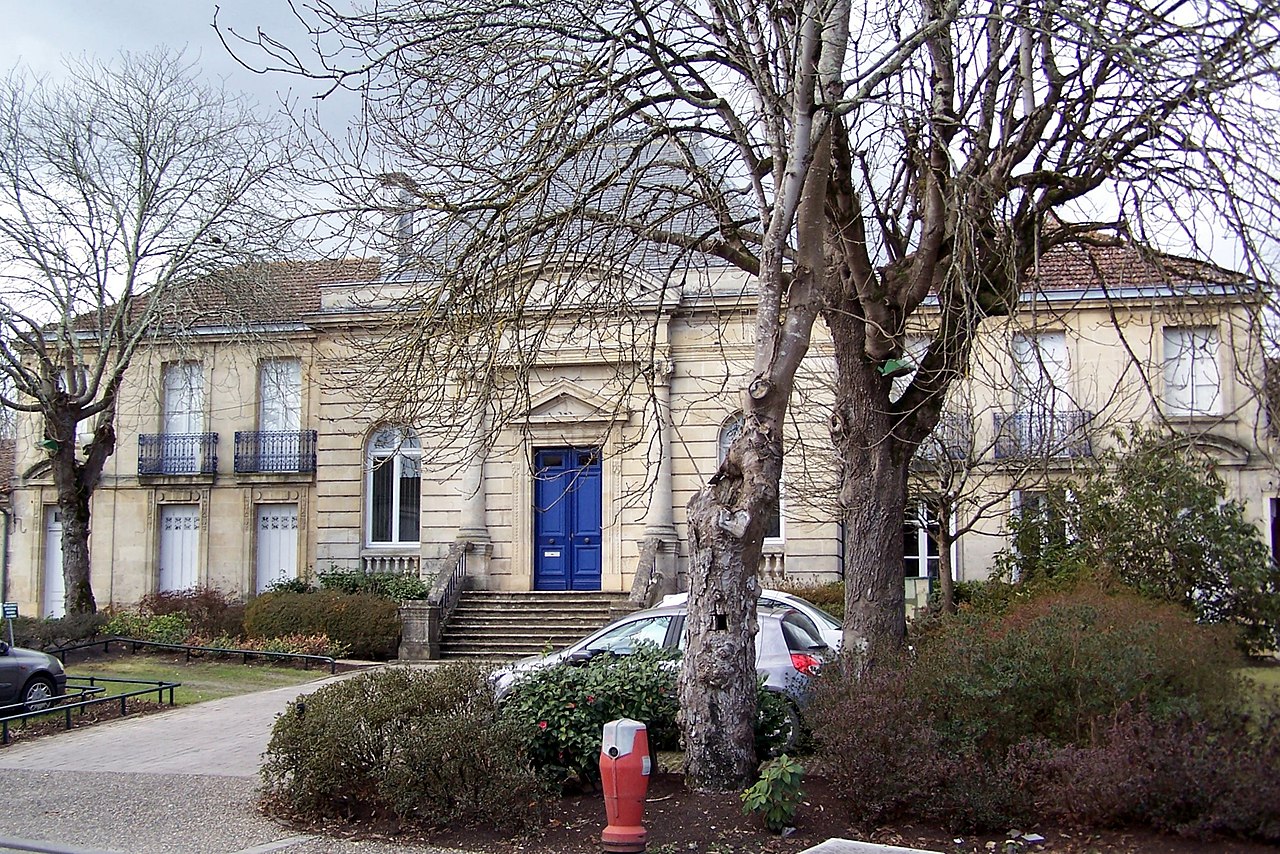
Geography and administration
Illats occupies countryside in a region noted for gentle hills, mixed farmland and vineyards. Administratively it is governed as a commune, the basic level of local government in France. Local councils manage community services such as schools, roads and cultural events while cooperating with departmental and regional authorities for larger projects and infrastructure.
History and culture
Like many settlements in Gironde, Illats traces origins to medieval and early modern periods; traces of older rural architecture and parish churches reflect long-standing habitation. The village's cultural life centers on traditional festivals, communal gatherings and preservation of local heritage. Small museums, historic houses and religious monuments in the area illustrate regional history without large-scale tourism.
Economy and attractions
Economic activity around Illats is mainly agricultural. Vineyards, mixed farming and small-scale producers are typical, linking the commune to the wider Bordeaux wine-producing area. Visitors are attracted by quiet lanes, local wine tastings, walking routes and occasional markets. Proximity to larger towns and transport links also makes Illats a semi-rural residence for commuters.
Notable facts and practical information
- Illats exemplifies a rural Gironde commune with an economy tied to agriculture and local services.
- It is often visited by those exploring the countryside, regional wines and small-scale heritage sites.
- Local governance follows the French communal model, with cooperation across departmental and regional levels for public services.
For further details on administrative status, local events and tourism options consult municipal resources or regional guides that cover the Gironde and Nouvelle-Aquitaine areas.
Related articles
Author
AlegsaOnline.com Illats — commune in Gironde, Nouvelle-Aquitaine, France Leandro Alegsa
URL: https://en.alegsaonline.com/art/46713