
If I Were a Boy
A 2008 pop–R&B ballad performed by Beyoncé from the album I Am... Sasha Fierce, exploring role reversal, gender expectations and emotional honesty in relationships.
Overview
"If I Were a Boy" is a pop and contemporary R&B ballad recorded by American singer Beyoncé for her third studio album, I Am... Sasha Fierce (2008). Written by Toby Gad, BC Jean and Beyoncé, the song uses a simple, intimate arrangement to foreground a lyrical narrative in which the singer imagines how she might behave and be treated if she were a man. The perspective and vocal delivery made the track one of the album's most discussed songs.
Image gallery
5 Images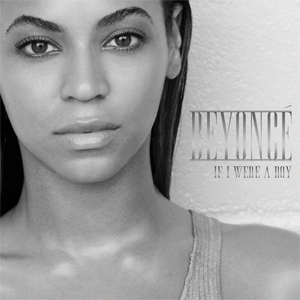


Composition and themes
The song is driven by acoustic guitar, restrained percussion and emotive vocal phrasing, and it leans on a confessional tone. Lyrically it employs a role-reversal device: the narrator asks listeners to consider how different emotions and actions might be if gender roles were swapped. Critics and listeners have interpreted the lyrics as an exploration of empathy, double standards in relationships and the limits of communication between partners.
Release, promotion and music video
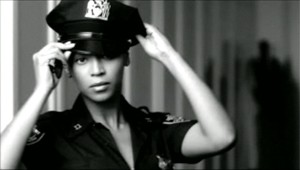
Issued as a prominent single from the album in 2008, the song was promoted with televised performances and a narrative music video that reinforces the role-reversal theme by placing the singer in situations typically associated with the opposite gender. The visual storytelling underscored the song's message and contributed to its broad public discussion.
Reception and impact
Contemporary reviews highlighted the song's vocal intensity and lyrical directness. It was commercially successful in many territories, reaching high positions on national charts and receiving extensive radio play. Beyond sales, the track has been noted for sparking conversations about gender, relationships and emotional responsibility in mainstream pop music.
Live performances, covers and cultural presence
Beyoncé included the song in several televised appearances and tour set lists, often delivering stripped-back arrangements to emphasize the lyrics. The song has also been covered and reinterpreted by other artists and amateur performers, which helped maintain its presence in popular culture.
Notable facts and distinctions
- The song was co-written by outside writers who originally developed the piece before it was adapted for Beyoncé's album.
- Its use of role reversal as a literary device made it a frequent subject of commentary in reviews and opinion pieces about gender in pop music.
- While associated with a specific album persona, the track is frequently singled out for its straightforward emotional appeal rather than for production flourishes.
Related articles
Author
AlegsaOnline.com If I Were a Boy Leandro Alegsa
URL: https://en.alegsaonline.com/art/46563
Sources
- masterbeat.com : masterbeat.com/