
Ida‑Viru County
Ida‑Viru County in northeastern Estonia is an industrial and coastal region centered on Jõhvi, noted for oil shale industry, a multicultural population, 8 municipalities and 217 villages.
Overview
Ida‑Viru County is a county in northeastern Estonia whose administrative centre is Jõhvi. The name Ida‑Viru literally means "East Viru" and reflects its location within the historic Virumaa region. It combines urban centres, industrial zones and stretches of Baltic coastline.
Image gallery
10 Images


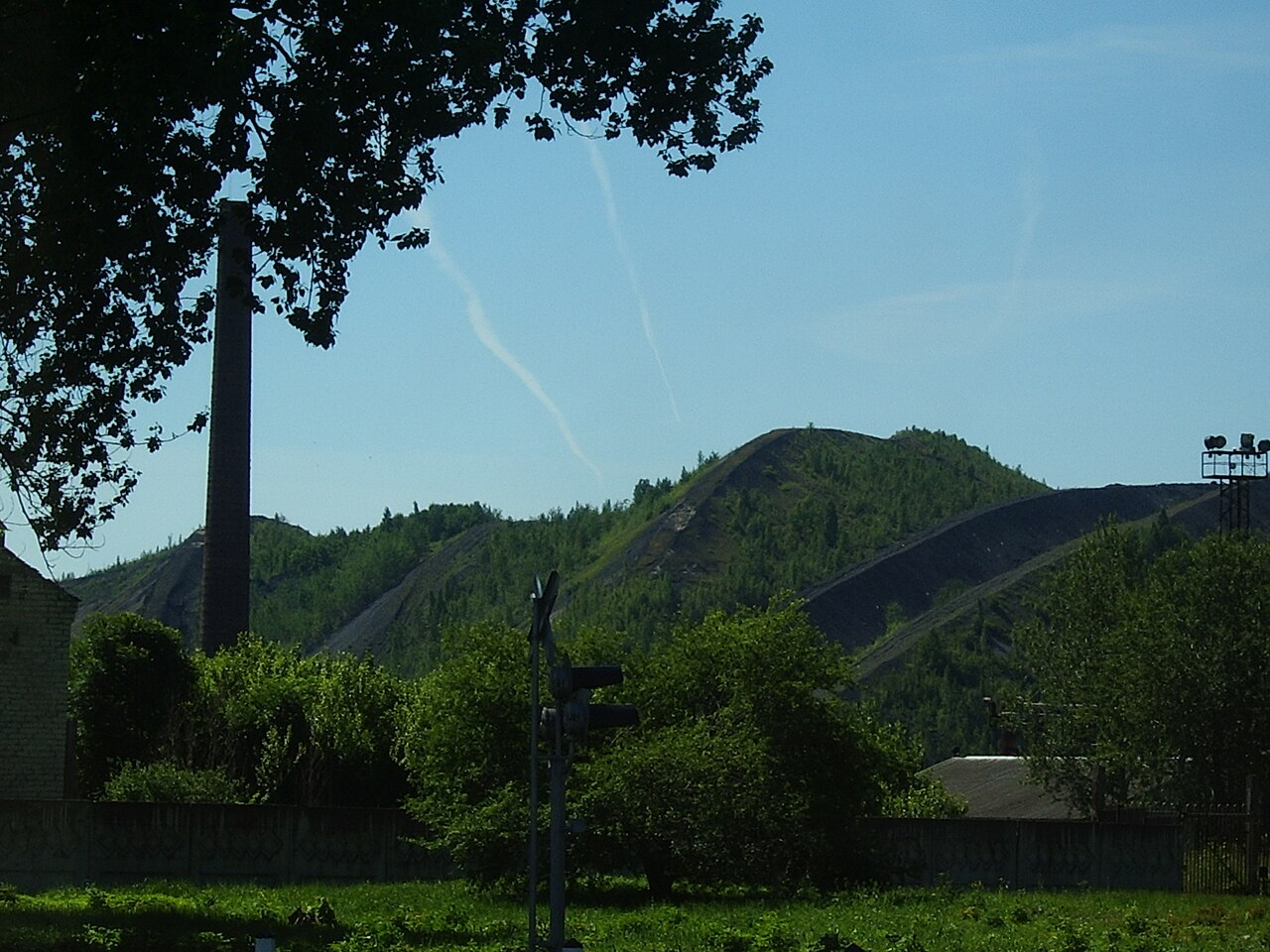


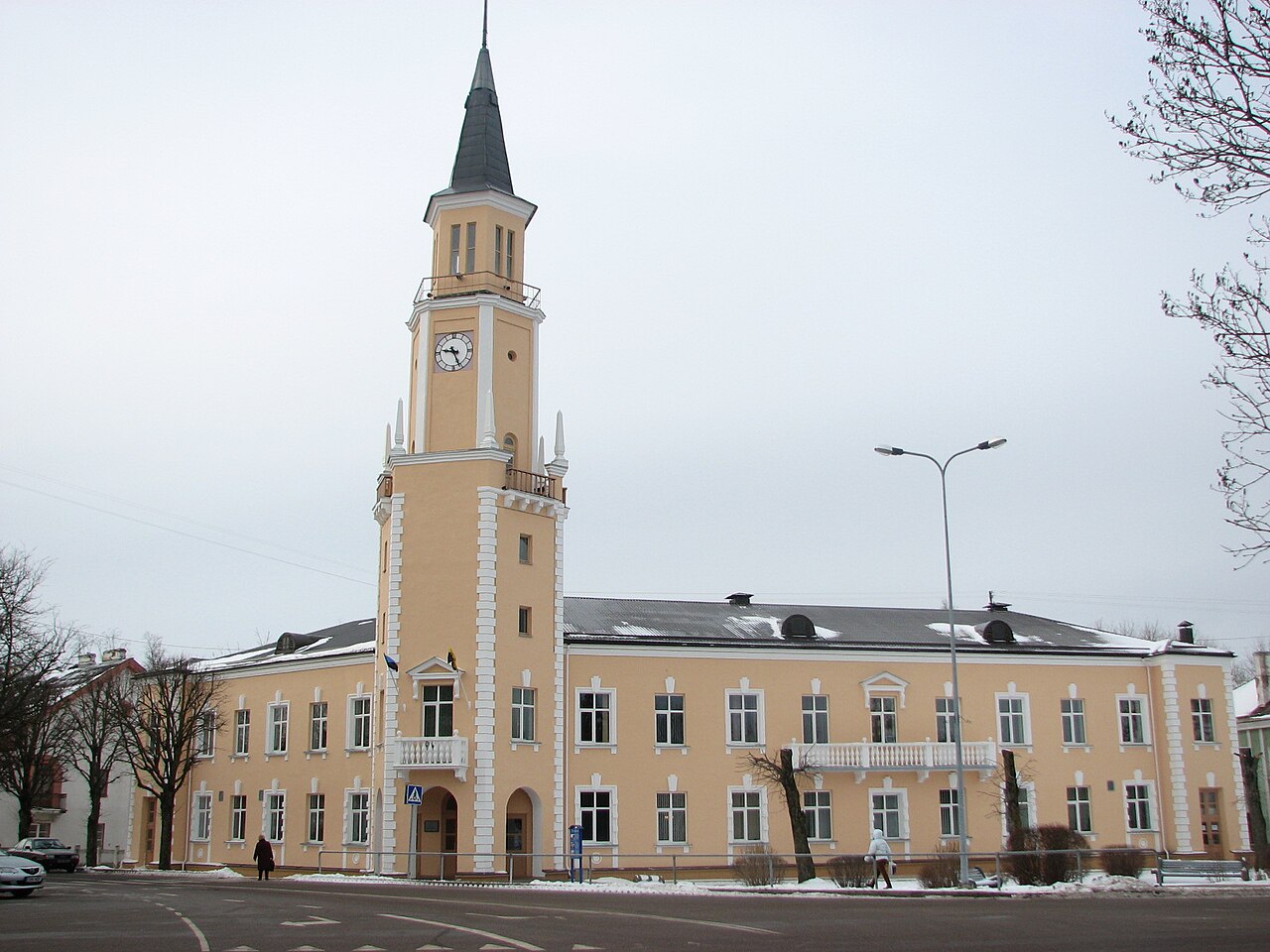
Geography and administration
The county lies along the Gulf of Finland and borders the Russian Federation to the east. Its landscape includes coastal plains, river valleys and areas altered by mining. Administratively Ida‑Viru is divided into eight municipalities: four urban and four rural, and contains 217 villages in total.
Economy and environment
Ida‑Viru has been a core of Estonia's energy and heavy industry because of extensive oil shale deposits. Power generation, mining and related chemical and processing industries shaped its towns and employment patterns. Those activities have also created environmental challenges and a focus on remediation and economic diversification in recent decades.
History and culture
The area has a layered history as part of the medieval Viru region and later provinces under various states. Industrial growth in the 20th century brought people from different parts of the former Soviet Union, so today the county has a significant Russian‑speaking population alongside Estonian communities. Cultural life mixes local traditions, industrial heritage and coastal recreation.
Municipalities and notable places
- Major towns include Jõhvi (the county seat), Narva, Kohtla‑Järve and Sillamäe.
- Rural municipalities encompass forests, peatlands and coastal villages used for tourism and nature outings.
Notable facts
Visitors often explore industrial heritage sites, seaside parks and historic fortifications on the Narva riverfront. Ongoing efforts aim to balance economic renewal, environmental restoration and cultural exchange in one of Estonia's most distinctive regions.
Related articles
Author
AlegsaOnline.com Ida‑Viru County Leandro Alegsa
URL: https://en.alegsaonline.com/art/46507
Sources
- pub.stat.ee : "Population number, area and density. administrative division as at 01.01.2018"
- commons.wikimedia.org : Ida-Viru County
- tools.wmflabs.org : 59°13′N 27°18′E / 59.217°N 27.300°E / 59.217; 27.300