
Hyde Park, New York — Hudson Valley town and historic sites
Hyde Park is a town in Dutchess County, New York, known for Franklin D. Roosevelt’s home, the Vanderbilt Mansion, the Culinary Institute of America, and Hudson River valley scenery.
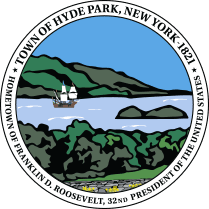
Hyde Park is a town in Dutchess County, New York, in the Hudson River valley of the United States. It combines a suburban and rural character with nationally significant historic landmarks, cultural institutions, and a landscape shaped by the river and valley agriculture.
Image gallery
9 Images




Location and character
Located on the eastern bank of the Hudson River, Hyde Park sits within the greater Hudson Valley region. The town contains a mixture of residential neighborhoods, preserved estates, farmland, and small commercial centers. Its setting makes it both a commuter community for nearby cities and a destination for visitors interested in history, architecture, and food culture.
History overview
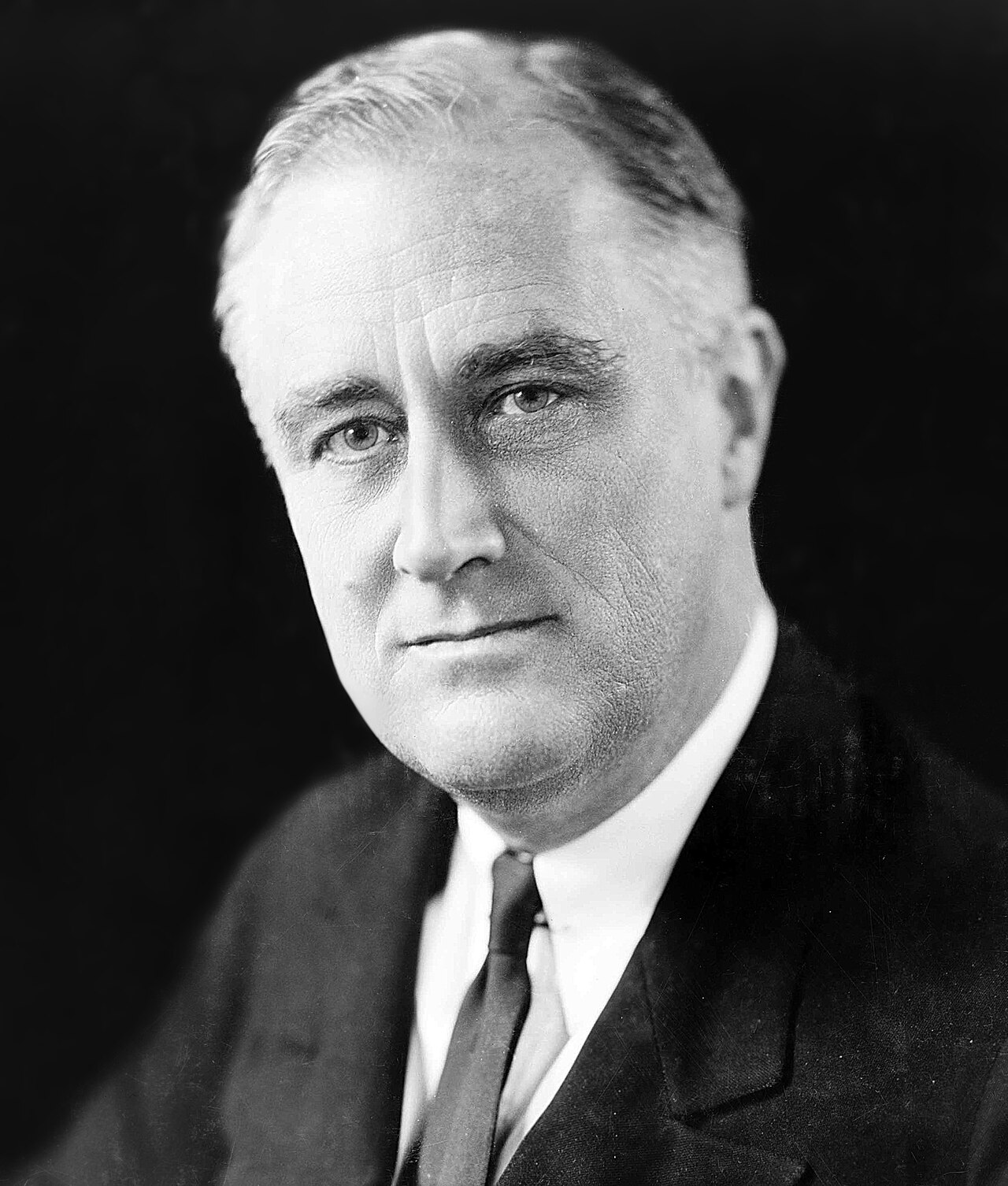
The area was inhabited by Indigenous peoples before European settlement in the 17th and 18th centuries. Over time it developed as an agricultural and riverine community. In the 19th and early 20th centuries wealthy families established great estates along the Hudson, and in the 20th century Hyde Park became closely associated with the Roosevelt family, whose presence shaped the town’s national profile.
Notable sites and institutions
- Springwood and the FDR National Historic Site — the home and presidential library complex tied to Franklin D. Roosevelt and Eleanor Roosevelt.
- Vanderbilt Mansion National Historic Site — a preserved Gilded Age estate with formal gardens and views over the Hudson.
- Culinary Institute of America — a well-known culinary school that attracts students and visitors and supports local hospitality businesses.
- Val-Kill — Eleanor Roosevelt’s retreat and an early example of a site focused on social history and preservation.
These landmarks are complemented by small museums, historic districts, and preserved landscapes. Interpretation, guided tours, and public programs make many sites accessible to visitors year-round.
Economy, tourism and transportation
Hyde Park’s economy mixes tourism, education, local services, and agriculture. The presence of national historic sites and a major culinary school supports hotels, restaurants, and cultural tourism. The town is served by regional roads and rail connections in nearby cities, making it reachable from metropolitan areas and popular with day-trippers from the metropolitan corridor.
As a community, Hyde Park is noted for its concentration of historic properties and for balancing preservation with everyday life. Visitors often plan stops to tour estates, visit museums, dine at culinary venues, and explore the Hudson Valley scenery that frames the town’s identity.
Related articles
Author
AlegsaOnline.com Hyde Park, New York — Hudson Valley town and historic sites Leandro Alegsa
URL: https://en.alegsaonline.com/art/46056