
Hudson Hawk
Hudson Hawk is a 1991 American action-comedy heist film starring Bruce Willis. It blends caper, slapstick and crime elements, was poorly received on release, and later found a small cult audience.
Hudson Hawk is a 1991 American action-adventure criminal comedy centered on an expert cat burglar who is pulled into a complicated series of thefts. The film stars Bruce Willis in the title role and features David Caruso and Andie MacDowell in prominent supporting parts. Released in May 1991, the movie combines heist plotting with broad comedic touches and elements drawn from organized crime stories.
Image gallery
1 Image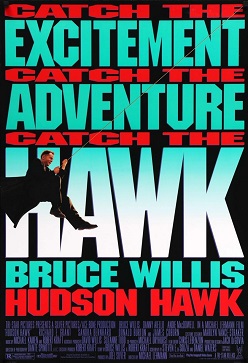
Overview and tone
The narrative mixes burglary caper mechanics with cartoonish action and pop-culture gags. Its tone shifts between physical comedy, fast-paced set pieces and melodramatic crime tropes, which some viewers found jarring. The story framework involves criminal syndicates and conspiratorial rivals pursuing a central objective, allowing the filmmakers to blend suspense, humor and spectacle.
Cast, crew and production
Directed by Michael Lehmann and developed for a mainstream audience, the film assembled a recognizable cast around Willis. The screenplay and production choices aimed to play against the star’s established action persona by adding comic timing and comic-relief beats. Production and marketing presented the picture as an offbeat caper rather than a straight thriller.
Reception and legacy
On its initial release the film received largely negative reviews from critics and failed to meet box-office expectations, with commentators criticising its uneven tone and narrative choices. Over time it has been reassessed by some viewers and developed a modest cult following among audiences who appreciate its idiosyncratic humor and unconventional approach to the heist genre.
Characteristics and notable facts
- Genre blend: heist story, crime elements, and broad comedy.
- Central themes: burglary techniques, organized crime conflicts, and unlikely alliances.
- Stylistic notes: rapid-fire gags, musical cues, and choreographed set pieces.
- Commercial outcome: a high-profile release that underperformed at the box office.
For readers wanting to explore further, the film is often discussed alongside other early-1990s attempts to merge blockbuster action with offbeat comedy, and it is useful to compare contemporary reviews with later fan perspectives. Topics frequently examined include how star image affects audience expectations and how tonal mixing can influence critical reception.
Key themes in analyses include representations of burglary and portrayals of the Mafia, as well as the film’s place in the careers of its principal actors. The movie remains a noted example of a big-studio gamble that did not find broad mainstream acceptance on first release but retained cultural interest afterwards.
Related articles
Author
AlegsaOnline.com Hudson Hawk Leandro Alegsa
URL: https://en.alegsaonline.com/art/45541