
Huancayo: City in the Peruvian Central Highlands
Huancayo is a major city in central Peru and the capital of Junín Region, located in the Mantaro Valley. It is an economic, cultural and transport center for the central Andes highlands.

Huancayo is a principal city in the central highlands of Peru, serving as the administrative capital of the Junín Region. Situated in the fertile Mantaro Valley, the city functions as a commercial and service hub for surrounding agricultural communities and Andean towns. Its altitude places it among Peru's highland urban centers, with a climate and landscape characteristic of the Andes.
Image gallery
10 Images
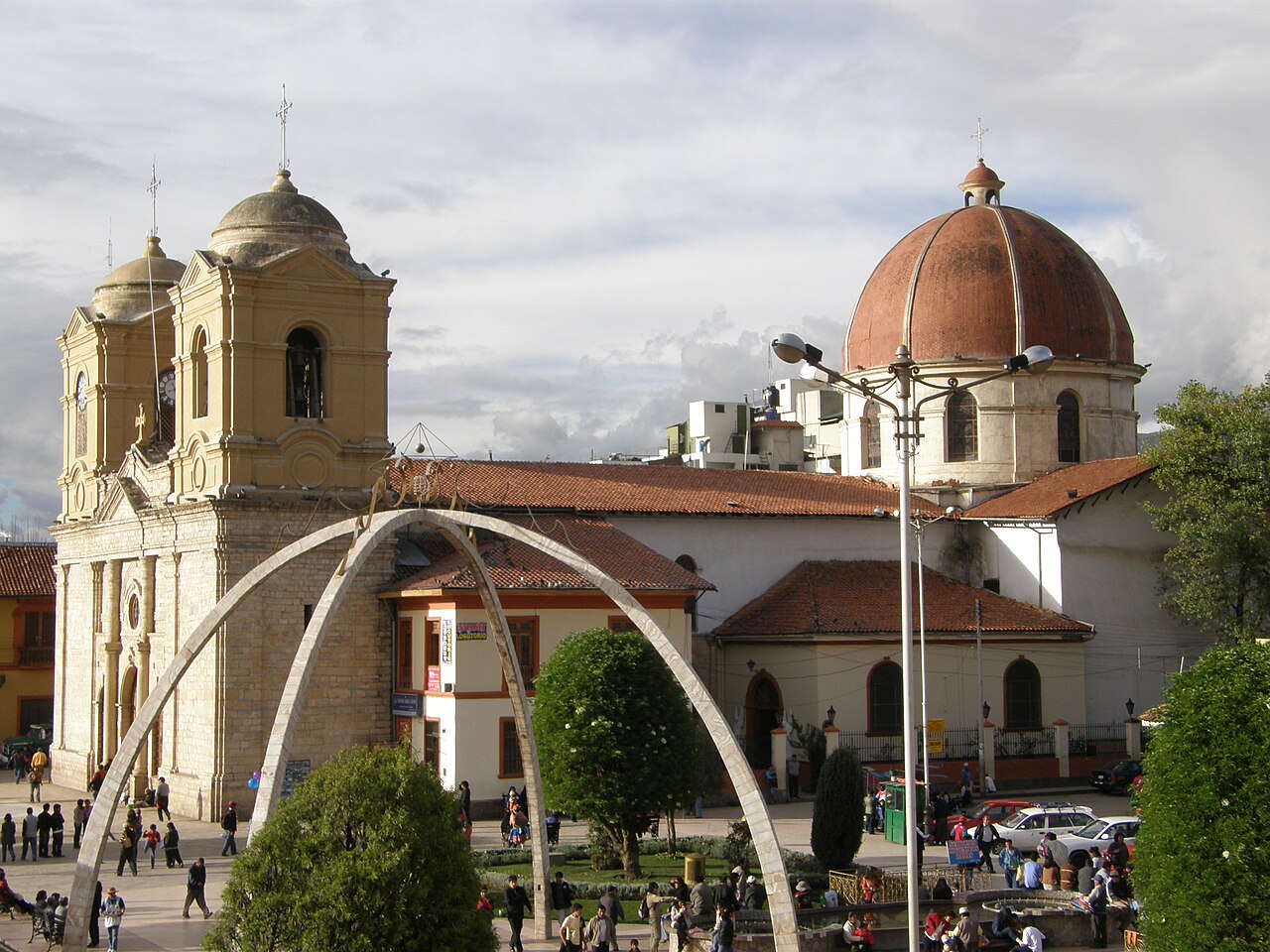


Geography and urban character
The urban area spreads along a valley floor surrounded by steep foothills. Neighborhoods combine modern buildings, traditional markets and artisan quarters where textiles, ceramics and metalwork reflect a long local craft tradition. The city provides regional services including education, healthcare and wholesale trade for agricultural produce such as potatoes, maize and grains.
History and development
Human settlement in the Mantaro Valley predates colonial times, and Huancayo grew as an indigenous and later colonial market town connecting highland producers with coastal traders. During the 19th and 20th centuries it expanded into a regional center, driven by improved roads, rail links and growing commercial activity. Elements of pre‑Hispanic, colonial and republican history are visible in local customs and built heritage.
Economy, culture and daily life
Huancayo’s economy mixes agriculture, commerce, small industry and tourism. Weekly markets are central to daily life and are known for livestock trading and handicrafts. The city is also a focal point for Andean festivals, traditional music and dance, and regional cuisine that features highland staples and dishes cooked in clay ovens or earth pits.
Transport and regional role
As a transport node for the central Andes, Huancayo links mountain communities to coastal cities via highways and a historic railway corridor. Regional air and road services connect it to other Peruvian cities, reinforcing its role as an administrative and logistical center for the Junín highlands.

Notable facts
- Major commercial and cultural center for the Mantaro Valley and surrounding highlands.
- Known for lively markets where agricultural goods and traditional crafts are traded.
- Combines indigenous Andean traditions with modern urban services.
Related articles
Author
AlegsaOnline.com Huancayo: City in the Peruvian Central Highlands Leandro Alegsa
URL: https://en.alegsaonline.com/art/45488