
Horrible Histories (2009 TV series)
British children's sketch comedy series adapting Terry Deary's books, blending accurate historical facts with irreverent sketches, songs and recurring characters for education and entertainment.
Horrible Histories is a British children's sketch comedy television series adapted from the best‑selling books by Terry Deary. First broadcast on CBBC, the programme transferred its mixture of fast‑paced sketches, musical parodies and visual gags to television while retaining the books' emphasis on the darker and stranger sides of the past. It presents historical periods as a series of short comic scenes rather than a continuous documentary, making history accessible and entertaining for young viewers while aiming to keep key facts intact.
Image gallery
2 Images
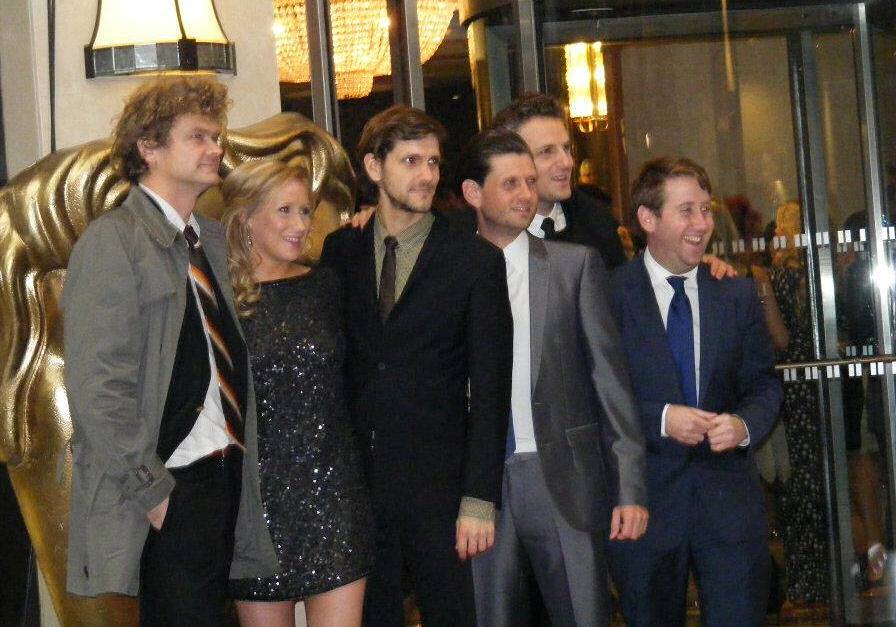
Format and style
The show is structured as a collection of sketches and songs that cover a wide chronological range, from prehistoric times such as the Stone Age through classical and medieval eras to more recent history including the post‑war twentieth century (see post‑World War II). Episodes typically mix several periods, using recurring characters and running gags to provide continuity. A hallmark is the frequent use of contemporary cultural references—pop music parodies, mock advertisements and modern slang—applied to historical figures and events to create humour while conveying facts.
Key features
- Short, modular sketches that can be viewed independently or as a composite episode.
- Original songs and parodies that summarise historical themes and personalities.
- Ensemble cast of actor–writers who perform multiple roles across episodes.
- An emphasis on gruesome, bizarre or surprising details from Western world history to spark curiosity.
- Mix of live action, puppetry and occasional animated inserts.
These elements combine to create a distinctive tone: irreverent but grounded in research. The production deliberately highlights unusual or unpleasant facts—punishments, medical practices, and odd customs—to engage children and encourage further reading rather than presenting a sanitised narrative.
Cast, production and contributors
The television series was produced for CBBC by Lion Television in association with Citrus Television. Its on‑screen ensemble included a group of multi‑talented actor‑writers who performed, wrote and sometimes devised sketches together; many of these performers later became familiar faces across British comedy and drama. The show also made use of guest performers and occasional celebrity appearances when it was repackaged for the wider BBC One audience.
Reception, educational use and impact
Horrible Histories received wide praise for making history appealing to children and young adults without resorting to purely didactic presentation. Educators and parents have used the series as a supplementary classroom resource because its sketches and songs distil complex periods into memorable moments. While some critics noted that comedic compression necessarily simplifies nuance, many commentators and historians commended its accuracy in core facts and its success in stimulating interest in further study. The programme won several industry awards and helped revive interest in the original book franchise.
Spin‑offs and legacy
- In 2011 a CBBC spin‑off game show, Horrible Histories: Gory Games, expanded the brand into a competitive format aimed at children.
- The original sketches were repackaged for a broader BBC One audience in a version introduced by Stephen Fry, replacing earlier framing devices and reaching older viewers as well as families.
- The success of the TV series led to stage productions, touring shows and other adaptations that brought the franchise into schools and theatres.
By combining humour with historical detail, Horrible Histories established a model for entertaining educational television: short, character‑led vignettes that prioritise clarity, surprise and retention. Its approach encouraged similar programs to use comedic formats to teach complex subjects, and it remains a frequently cited example of how popular media can support learning while entertaining a broad audience. For more information about the books and broader franchise see the original publication links and adaptations on the CBBC and BBC One programme pages.
Related topics and resources: BBC One programme information, archival material and publisher pages provide entry points for viewers who want to explore individual historical episodes in greater depth.
Questions and answers
Q: What is Horrible Histories?
A: Horrible Histories is a British children's sketch comedy television series based on the books written by Terry Deary.
Q: Who produced the show?
A: The show was produced for CBBC by Lion Television with Citrus Television.
Q: What is the content of the show?
A: Horrible Histories focuses on the dark, gruesome or scatological aspects of British and other Western world history, spanning from the Stone Age to the post-World War II era.
Q: How does the show maintain the franchise's overall irreverent but accurate focus?
A: The TV show carries over the graphic style and much of the content of the Horrible Histories book series.
Q: What are the individual historical eras or civilizations like in the show?
A: Individual historical eras or civilizations are defined and named as in the books, with sketches from several different time periods combined within a single episode.
Q: Was there a spin-off game show launched on CBBC?
A: Yes, in 2011, a spin-off game show, Horrible Histories: Gory Games, was launched on CBBC.
Q: Was there a repackaged version of the show for main channel BBC One?
A: Yes, in the same year, the original show was repackaged for main channel BBC One as Horrible Histories with Stephen Fry, with Fry replacing the puppet rat as presenter.
Related articles
Author
AlegsaOnline.com Horrible Histories (2009 TV series) Leandro Alegsa
URL: https://en.alegsaonline.com/art/45149
Sources
- comedy.co.uk : "Miranda leads winners at British Comedy Awards 2010"
- bbc.com : "Horrible Histories wins fourth consecutive children's BAFTA"
- independent.co.uk : "Peppa Pig, Bob the Builder join ranks of top children's TV show"
- licensing.biz : "Channel 5 reveals Greatest Kids TV Shows results"