
Horodniceni: a rural commune in Suceava County, Romania
Horodniceni is a rural commune in Suceava County in northeastern Romania, characterized by traditional agriculture, wooden architecture, and ties to the historical region of Bukovina.
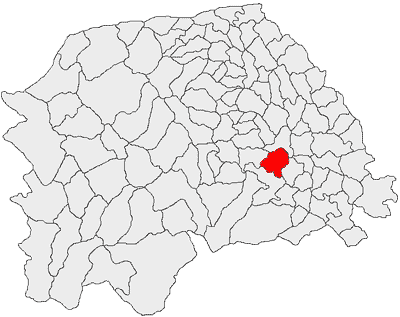
Horodniceni is a rural administrative commune in Suceava County, located in the northeastern part of Romania. As a local government unit it serves as the primary organization for nearby villages and farmland. The settlement typifies small Romanian communes: a mix of agricultural land, scattered homes, village centers and local public services.
Image gallery
2 Images
Geography and administration
Situated within the rolling hills and plateaus that mark much of this part of the country, Horodniceni occupies a landscape of fields, meadows and pockets of forest. The commune is served by local roads linking it with larger towns and the county capital, and its administration is conducted by an elected mayor and communal council. Typical public facilities include a town hall, a primary school, and places of worship that reflect local religious and architectural traditions.
History and cultural context
The area around Horodniceni shares the historical influences of Moldavia and the broader Bukovina region: medieval principalities, Habsburg rule in parts of Bukovina, and integration into modern Romania in the 20th century. This layered past is visible in local customs, rural building styles and folk traditions. Wooden churches and vernacular houses found across Suceava County are part of the cultural landscape that shapes community life.
Economy and local life
Economic activity is largely agricultural, with small-scale farming, animal husbandry and forestry as common livelihoods. Residents may also work in nearby towns or engage in crafts and seasonal trade. Like many rural communes, Horodniceni faces demographic and economic challenges such as aging populations and out-migration, while also exploring opportunities in agritourism and heritage tourism.
Importance and visiting
While not a major urban center, Horodniceni illustrates the rural backbone of northeastern Romania: communities that maintain traditional ways of life while adapting to modern pressures. Visitors interested in countryside landscapes, local folklore and nearby monasteries or historic sites will find the commune representative of the region’s quieter, everyday heritage.
Related articles
Author
AlegsaOnline.com Horodniceni: a rural commune in Suceava County, Romania Leandro Alegsa
URL: https://en.alegsaonline.com/art/45144