
Home Alone 4: Taking Back the House
Home Alone 4: Taking Back the House is a 2002 American made-for-television family comedy that revives characters from the original films with a new cast and a distinct continuity.
Home Alone 4: Taking Back the House is the fourth entry in the Home Alone franchise and the first produced as a made-for-television feature. Marketed as a family-oriented comedy with criminal-adventure elements, it premiered on ABC on November 3, 2002. The film reintroduces familiar characters from the earlier installments but recasts nearly all principal roles, creating a production that stands apart from the theatrical originals in tone, setting and continuity.
Image gallery
1 Image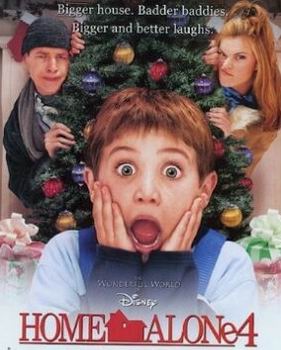
Overview and premise
The story follows Kevin McCallister, played in this installment by Mike Weinberg, as he becomes caught between his divorced parents and a new home to defend. When his father Peter and his father's new partner Natalie (Joanna Going) relocate to an opulent estate, Kevin reluctantly spends the holidays there. He soon faces an old adversary, Marv (reinterpreted here and portrayed by French Stewart), who — along with an accomplice named Vera (Missi Pyle) — plots to break into the mansion. The film leans on slapstick traps and homegrown defenses reminiscent of the franchise's earlier entries while repositioning characters within a different family dynamic.
Cast, crew and production
- Director: Rod Daniel, known for work in both television and film.
- Key actors: Mike Weinberg (Kevin McCallister), Jason Beghe (Peter McCallister), Clare Carey (Kate McCallister), Joanna Going (Natalie), French Stewart (Marv), Missi Pyle (Vera).
- Format: a made-for-television feature film; often described as a family criminal comedy and a television movie.
- Setting vs. shooting: the narrative is set in Chicago, but principal photography was carried out in South Africa.
Continuity and differences from earlier films
Although Home Alone 4 reuses names and basic relationships established in the first two films, it recasts most characters and alters details of their lives, producing what many viewers describe as a standalone or alternate-continuity story. Notable returning elements include Kevin's resourcefulness and the motif of domestic defense, while the criminal antagonists are reimagined: the familiar duo of burglars is reshaped with new personalities and dynamics.
Reception and legacy
The film attracted mixed-to-negative reviews from critics and fans accustomed to the theatrical originals. Its made-for-TV production values, narrative changes, and cast turnover drew particular attention. Plans to expand the 2002 telefilm into a short-lived television franchise were curtailed after disappointing reception. Despite this, Home Alone 4 remains of interest to franchise completists and viewers studying how established film properties are adapted for television audiences.
Notable facts
- The movie is sometimes subtitled Taking Back the House and is also referenced simply as Home Alone 4.
- Several familiar character names appear, but few actors from the theatrical series returned for principal roles; this recasting contributed to the film's sense of departure from the original continuity and tone.
- Because it was produced for broadcast rather than theatrical release, its style emphasizes family television sensibilities over the broader cinematic scope of earlier installments.
For readers interested in further details such as full cast lists, broadcast history and production notes, consult studio and broadcast archives or databases that catalog television films and franchise adaptations. The film can be seen as an example of how long-running franchises are sometimes retooled for different formats and audiences.
See also: the first two films and their influence on attempts to revive the franchise for television viewers.
Related articles
Author
AlegsaOnline.com Home Alone 4: Taking Back the House Leandro Alegsa
URL: https://en.alegsaonline.com/art/44859