
Holland, Michigan
Lakeside city in western Michigan known for strong Dutch heritage, the annual Tulip Time festival, Windmill Island, Hope College, beaches and cultural tourism. Population roughly 33,000 (early 2010s).
Overview: Holland is a small city on the western side of Michigan, United States, with a population of roughly 33,000 people in the early 2010s. It combines recreational access to Lake Michigan and inland waterways with a strong cultural identity derived from Dutch settlement. For municipal information see the city website.
Image gallery
10 Images




History and identity
The community was established in the 19th century by Dutch immigrants and retains clear ties to that heritage in festivals, architecture and institutions. The city's name evokes the Netherlands and that connection is visible in public events, traditional dress on display during celebrations, and preservation of historic neighborhoods.
Geography and features
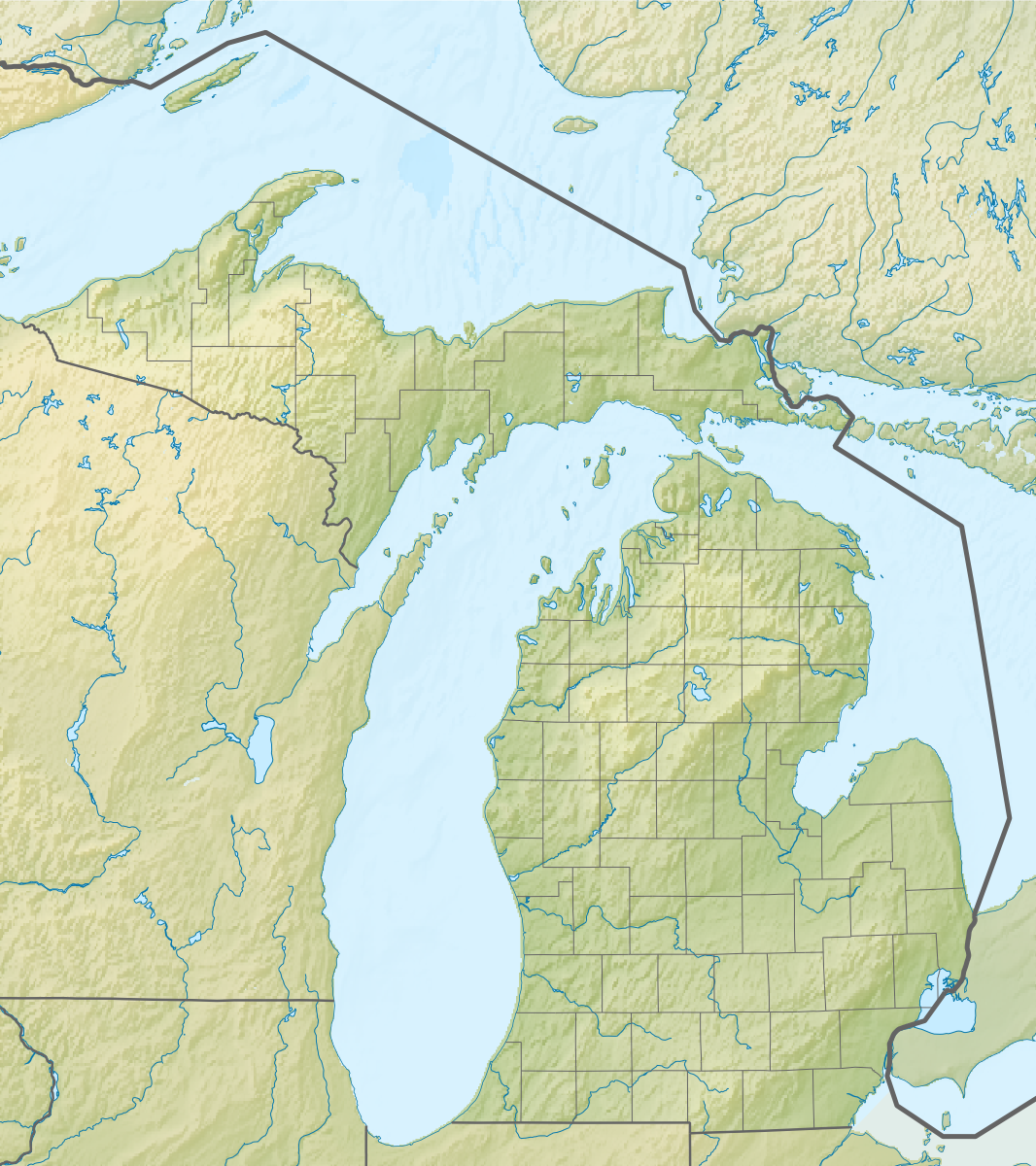
Located in western Michigan near the Lake Michigan shoreline, Holland offers beaches, dunes and a harbor that opens to the lake. The downtown area centers on a river and small harbor, with parks, marinas and pedestrian-friendly streets. Regional context is often described as part of western Michigan.
Culture, festivals and attractions
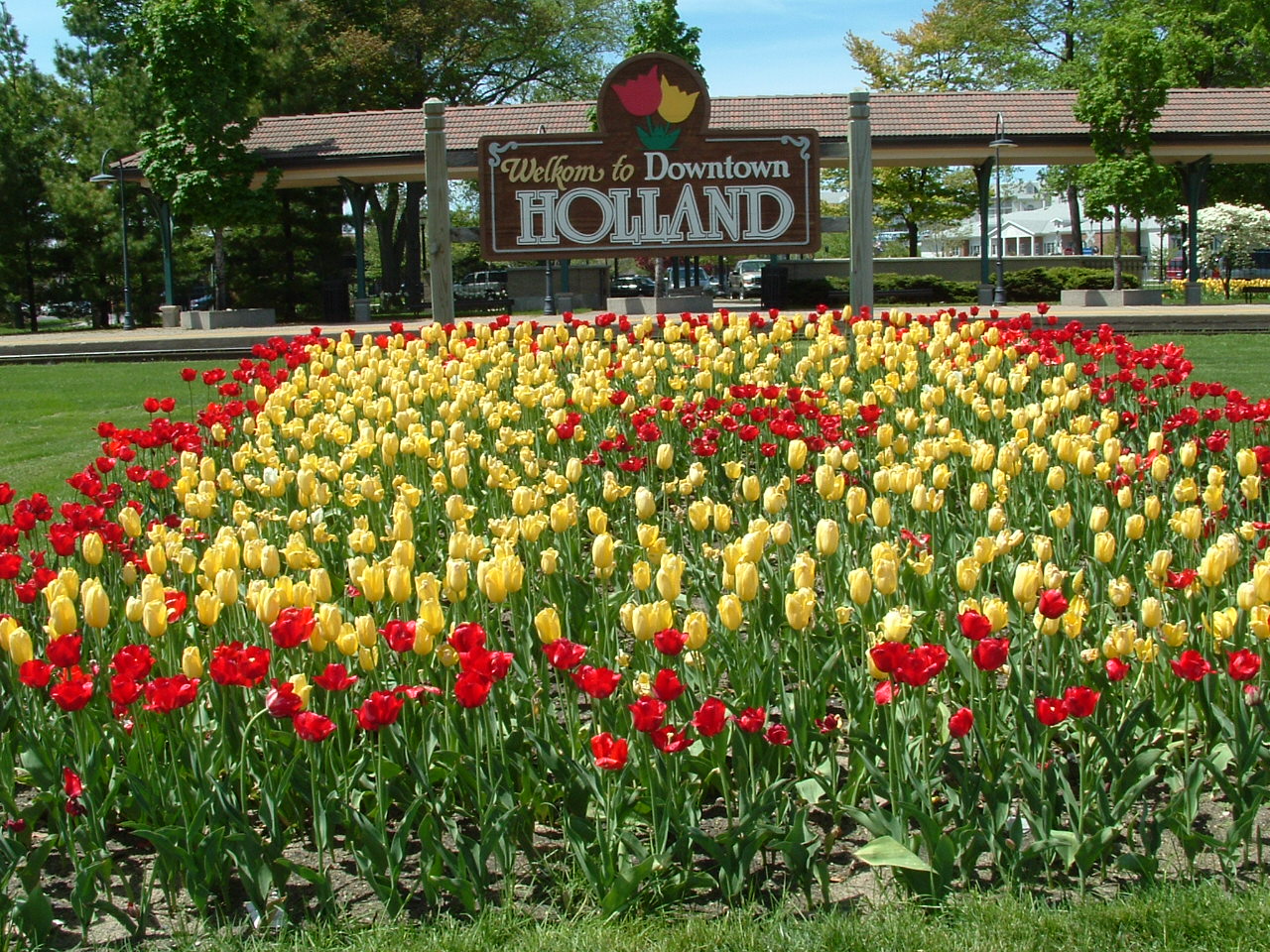
Holland is best known for Tulip Time, an annual spring festival held every May that celebrates the city's floral displays and Dutch roots with parades, concerts and costumed participants. Tulip Time has received national attention and was named among notable small-town festivals by several publications, including Reader's Digest. Other attractions include Windmill Island with an authentic Dutch windmill, the so-called “Big Red” lighthouse at Holland Harbor, and family-oriented parks.
Education, economy and community life
The city hosts a private liberal arts college with historical ties to the settlers, local manufacturing and a tourism sector that peaks in spring and summer. Outdoor recreation—swimming, boating, biking and walking along dunes and lakeshore parks—plays an important role in daily life and local business.
Notable points
- Strong and visible Dutch cultural heritage, celebrated year-round and during Tulip Time.
- Windmill Island and historic windmill as a popular landmark and photo site.
- Beaches and state park access make the city a regional destination in warmer months.
- Mix of small-college atmosphere, community festivals and light manufacturing.
Visitors often come for the seasonal displays, local cuisine and craft shops, while residents balance small-city living with easy access to larger Midwestern urban centers. For travel planning and event schedules consult local resources and tourism guides.
Related articles
Author
AlegsaOnline.com Holland, Michigan Leandro Alegsa
URL: https://en.alegsaonline.com/art/44750
Sources
- cityofholland.com : cityofholland.com
- factfinder2.census.gov : "American FactFinder" · web.archive.org
- geonames.usgs.gov : U.S. Geological Survey Geographic Names Information System: Holland, Michigan
- quickfacts.census.gov : Holland QuickFacts from the US Census Bureau.
- holland.org : Tulip Time Festival.
- books.google.com : History of Michigan