
Holborn — Central London district and its main thoroughfare
Holborn is a Central London area and principal east–west street, known for its legal institutions, Victorian engineering, mixed commercial uses and transport links across borough boundaries.
Holborn is an inner London district and the name of the principal east–west street that runs through it. The name and area are closely identified with the long High Holborn route that links St Giles in the west with Holborn Viaduct and the City to the east. The district crosses several local authority boundaries and is associated with office, legal and cultural activity. For a general orientation see Holborn.
Image gallery
10 Images
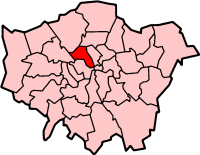


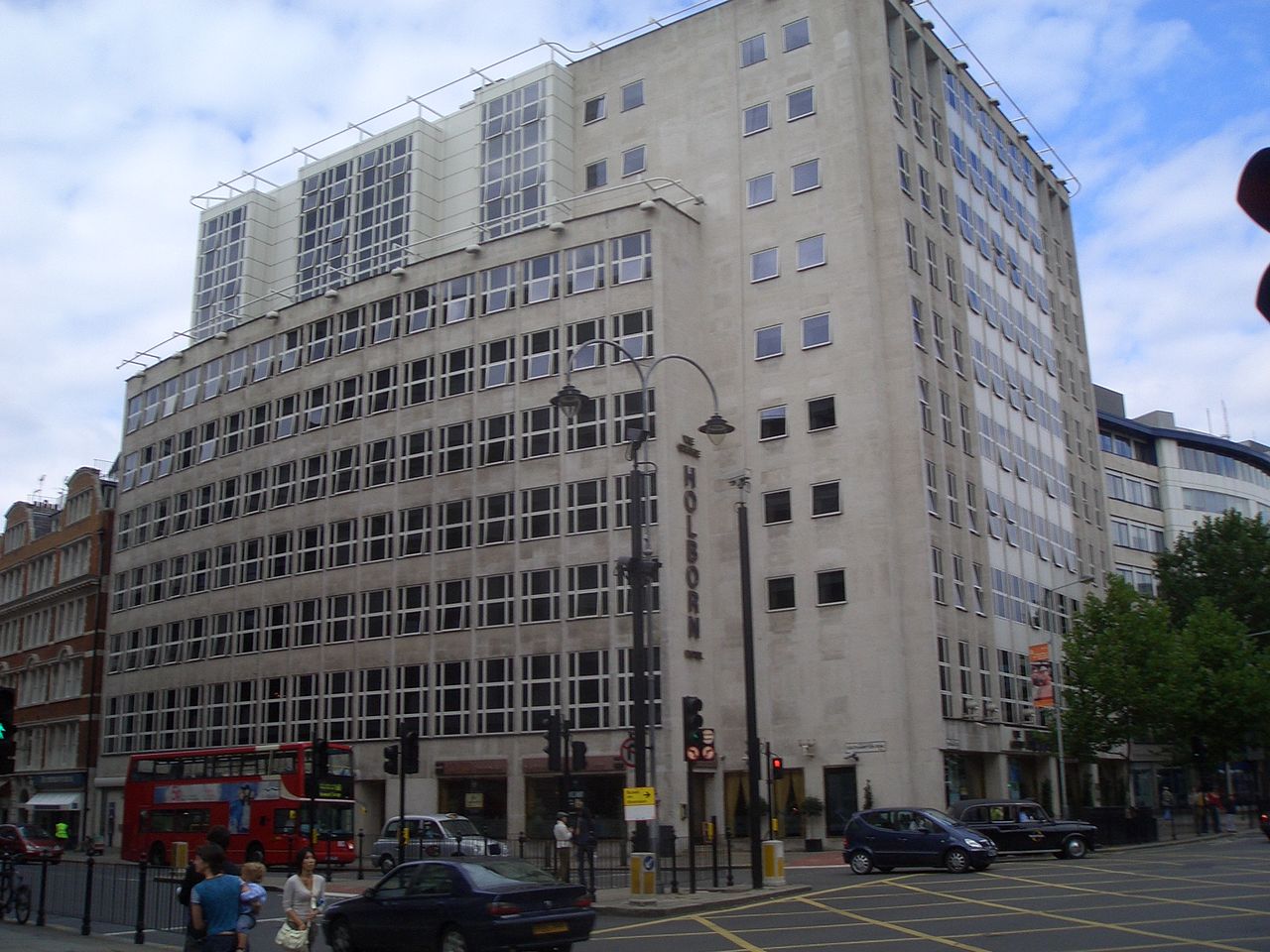


Location and character
Holborn sits between the West End and the City of London. The street and surrounding neighbourhood form a transitional zone where commercial offices, professional services and historic courtyards meet more typical inner‑city shopping and residential pockets. Parts of Holborn lie in the London Borough of Camden, the City of Westminster and the City of London; local administration and street addresses can therefore vary depending on precisely where you are in the area. Civic details and maps are available via the local authorities: borough information.
History and development
The origins of Holborn trace back to medieval London when routes followed the line of the Fleet river and related minor streams; the street gradually became a built-up route linking central districts. Over centuries the area evolved: inns of court and legal chambers established a strong professional presence, while Victorian-era engineering and rebuilding created characteristic structures such as river crossings and viaduct works. Holborn's growth reflects common London patterns—incremental urbanisation, commercial redevelopment and conservation of notable buildings.
Uses and notable places
Today Holborn is best known for its association with the legal professions, mixed commercial office space, and educational and cultural institutions. Several historic inns and legal chambers remain active, and the area hosts publishers, consultancies and smaller retailers. Visitors and residents may find a mix of Victorian architecture, modern office conversions and quiet courts behind main thoroughfares.
- Gray's Inn and Lincoln's Inn—two of the traditional Inns of Court with historic courts and gardens.
- Holborn Viaduct and other 19th-century transport works that improved access toward the City.
- Holborn station and nearby transport interchanges that connect the area to the Underground network.
- Various conservation areas, period façades and adaptive reuse projects combining heritage with contemporary office use—see local guides at places of interest.
Transport and accessibility
Holborn is served by multiple Underground stations and bus routes, providing direct connections to central London destinations and wider commuter links. The district's streets are used intensively by pedestrians and road traffic, reflecting its role as a link between entertainment, legal and financial districts. For timetables and travel advice consult transport providers: travel information.
While Holborn has contemporary business functions, it retains layered traces of older London: narrow courts, institutional gardens, and architectural reminders of the city's 19th- and early-20th-century phases. It remains an important and distinctive part of Central London, notable for its legal associations and its bridging position between the West End and the Square Mile.
Related articles
Author
AlegsaOnline.com Holborn — Central London district and its main thoroughfare Leandro Alegsa
URL: https://en.alegsaonline.com/art/44715