
Hoffman Estates, Illinois
Suburban village northwest of Chicago straddling Cook and Kane counties; residential neighborhoods, business parks, parks and an events arena. Population was 51,895 at the 2010 census.
Overview
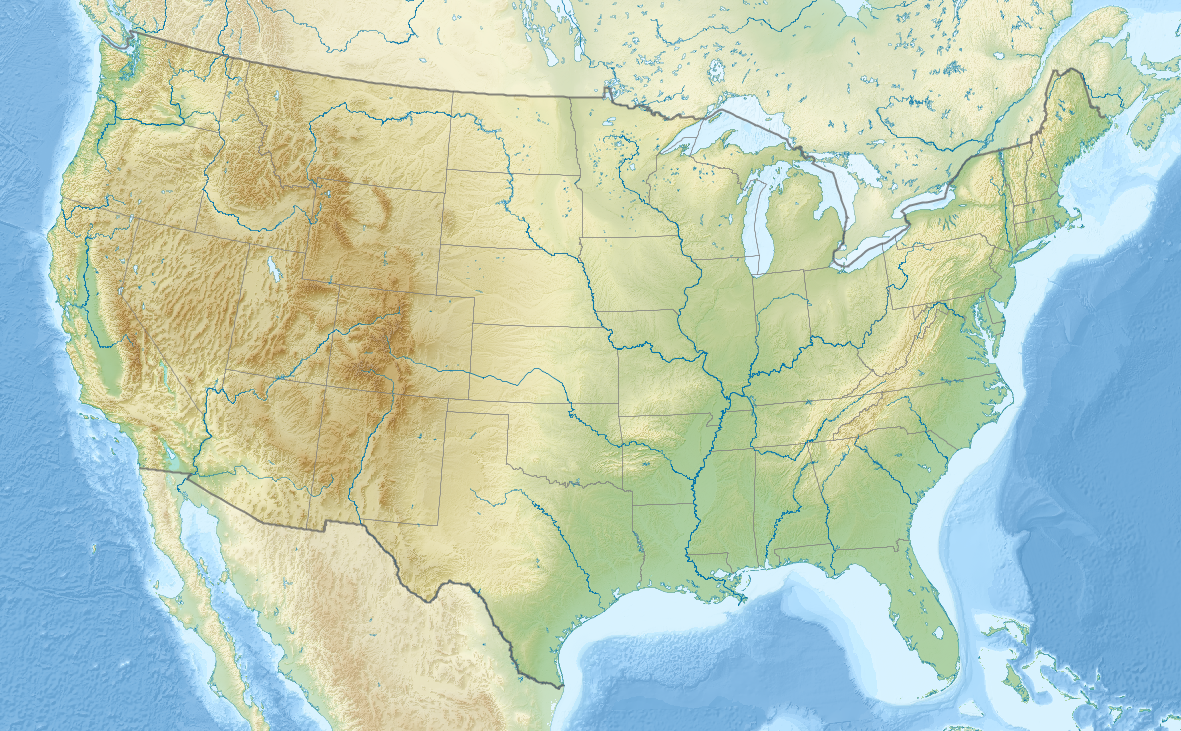
Hoffman Estates is a village in Illinois, United States. The municipality lies primarily within Cook County with a smaller portion extending into Kane County. Located northwest of Chicago, it functions as a suburban community in the metropolitan area and is commonly described as a suburb. According to the figures reported in the 2010 census, the village population was 51,895.
Image gallery
6 Images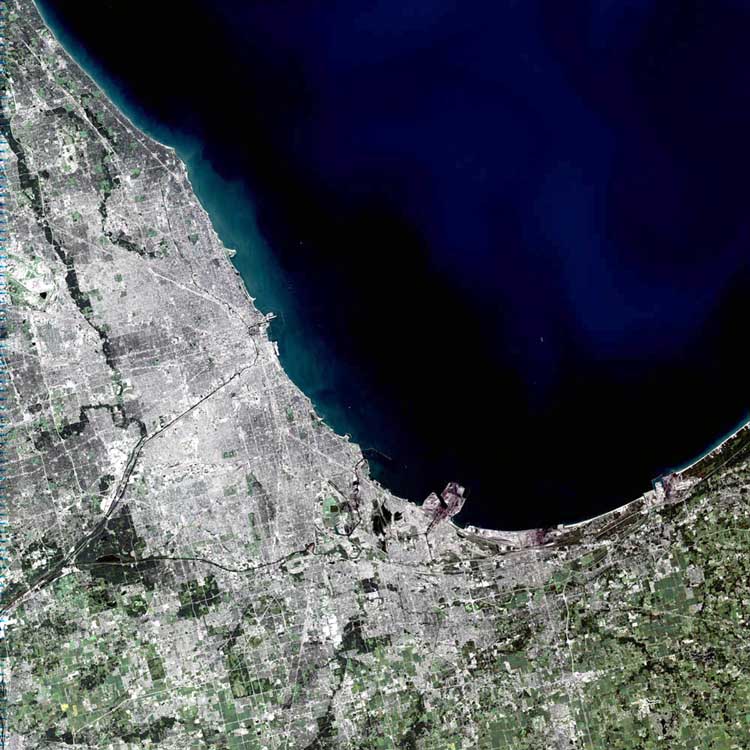



Characteristics and layout
The village combines residential neighborhoods, business and industrial parks, public open space and retail corridors. Its housing ranges from mid-century single-family homes to newer subdivisions and multifamily developments. Green space, municipal parks and recreational facilities are part of the community character, with local programs for youth and adults run by the park district and village government.
History and development
Originally an agricultural area outside Chicago, Hoffman Estates experienced suburban growth in the mid-20th century as commuters and businesses moved outward from the city. Over time the village expanded through planned subdivisions and the construction of commercial zones, attracting corporate campuses and regional employers. This pattern—farmland to suburb to mixed residential and commercial center—is typical of many communities in the region.
Economy, services and culture
The local economy blends retail, light industry, office parks and service businesses. Community amenities include shopping centers, restaurants, schools, and a mid-size arena used for concerts, sporting events and gatherings. Transportation links to the broader Chicago area are provided by regional roads and commuter options, which support daily travel for workers and visitors.
Notable features and governance
- Straddles two counties, which affects some municipal services and intergovernmental coordination.
- Mix of residential neighborhoods and employment centers that support suburban living with local jobs.
- Park and recreation offerings, along with venues for cultural and sporting events.
Hoffman Estates is representative of many American suburbs that grew after World War II, balancing community services and quality of life with business development and regional connectivity. For official information and current statistics, consult municipal resources or recent census updates provided by government agencies.
Related articles
Author
AlegsaOnline.com Hoffman Estates, Illinois Leandro Alegsa
URL: https://en.alegsaonline.com/art/44654
Sources
- factfinder2.census.gov : "Geographic Identifiers: 2010 Demographic Profile Data (G001): Hoffman Estates village, Illinois"