
Hoegaarden: Belgian village and namesake witbier
Hoegaarden is a village in Flemish Brabant, Belgium, known for its long local history and as the birthplace and namesake of a popular Belgian witbier (white beer).

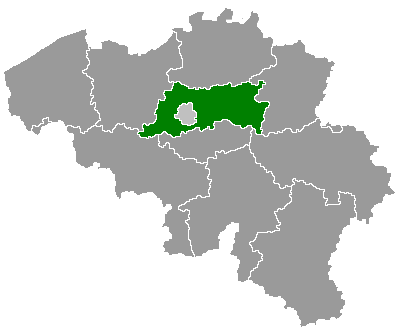
Hoegaarden is a small municipality in the Belgian region of Flanders. It lies in the province of Flemish Brabant and is officially organised as a municipality. The village has a long rural history and is best known internationally for the wheat beer style that carries its name.
Image gallery
3 Images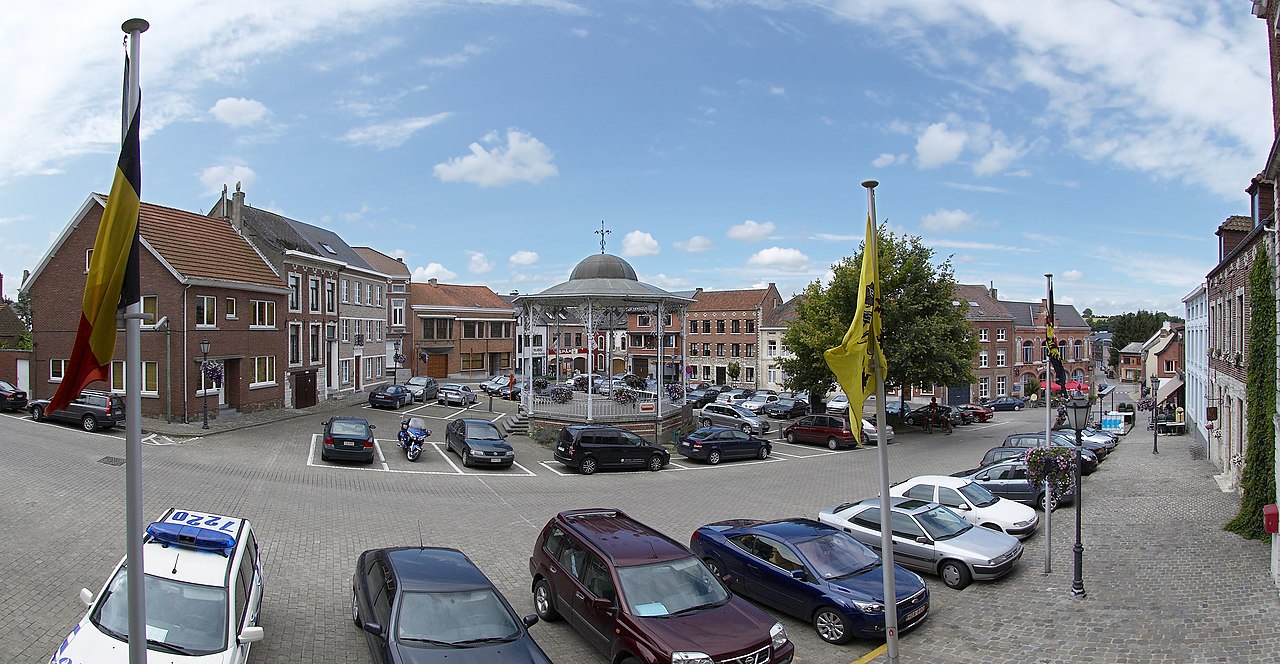

History and local development
The settlement dates back several centuries as a farming community in central Belgium. Over time it developed local crafts and small-scale industry around agriculture and brewing. In the 20th century the town became closely associated with the revival of the traditional Belgian witbier or "white beer," a linkage that reshaped its identity and economy.

Beer, brewing and characteristics
The name Hoegaarden is most familiar as the label of a pale, cloudy wheat beer originally produced in the village. Typical characteristics of this style include a substantial proportion of wheat, a hazy appearance, a citrusy, herbal aroma often derived from orange peel and coriander, and a soft, low-bitter finish. The modern commercial brand helped popularise the style worldwide, though small local brewers and craft producers also continue to make traditional versions.
- Appearance: pale and cloudy
- Ingredients: wheat, barley, spices such as coriander and orange peel
- Flavor: light, zesty, slightly tart
As a place, Hoegaarden remains a compact community. For example, a recorded population figure from 2007 lists about 6,226 residents, and the village lies at roughly 50°46′N, 4°53′E. Its name is therefore linked both to a specific locality in Belgium and to a beer style that is part of the country’s wider brewing heritage.
For readers seeking general background on the region or on Belgian beer traditions, see resources on Belgian beer and regional guides. Hoegaarden illustrates how a local product can become a global cultural reference while the village retains its regional character.
Related articles
Author
AlegsaOnline.com Hoegaarden: Belgian village and namesake witbier Leandro Alegsa
URL: https://en.alegsaonline.com/art/44639
Sources
- statbel.fgov.be : Werkelijke bevolking per gemeente op 1 januari 2007 / Population de droit par commune au 1 janvier 2007 (.xls)
- statbel.fgov.be : Geografische coördinaten van de gemeenten (.xls)