
Hippias of Athens — ruler, exile, and role in the Persian invasions
Hippias (6th–5th c. BC) was a son of Peisistratus who ruled Athens as a tyrant, became increasingly repressive after his brother’s murder, was expelled in 510 BC, and later assisted Persia at Marathon.
Overview
Hippias was a prominent Athenian political figure of the late 6th century BC, best known as one of the sons of Peisistratus who continued his family’s rule over Athens. He inherited the position commonly called a tyrant after his father’s death and presided over a period that combined public building and patronage with political tension and, later, harsh repression. His removal from power and subsequent alliance with Persia linked him to events that shaped early classical Greek history.
Image gallery
6 Images


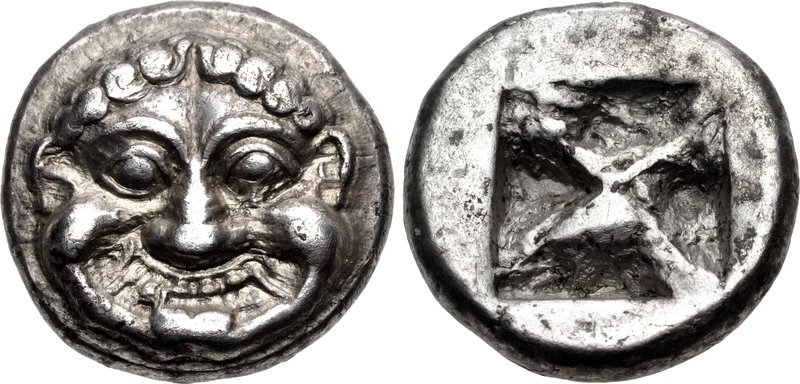
Early rule and family background
Hippias belonged to the Peisistratid dynasty that held sway in Athens across several decades. His father, Peisistratus, had established dominance through a mix of military strength and popular support. After Peisistratus died, Hippias and his brother shared authority for a time. Hippias is often identified by his Greek name and origins; sources sometimes note his full name in Greek script.
Turning point: assassination and increasing repression
The murder of Hippias’s brother in 514 BC was a crucial turning point. The assassination rattled the ruling household and, according to surviving accounts, led Hippias to adopt a more severe and suspicious approach to governance. He increased surveillance, executed or exiled perceived opponents, and curtailed the political liberties of many Athenians. These measures alienated powerful aristocratic families and widened existing rivalries.
Opposition and exile
Opposition coalesced around aristocratic opponents and exiled clans who sought to end Peisistratid dominance. Members of influential families, including representatives of the Alcmaeonid faction exemplified by a leader named Cleisthenes, appealed for outside aid and worked to restore broader civic participation. Spartan intervention, combined with internal pressure, succeeded in driving Hippias from the city in 510 BC, after which he lived the remainder of his life away from Athens. The experience of forced departure is commonly described as exile.
Exile and Persian connection
While in exile Hippias sought support from foreign powers and eventually found protection at the Persian court. Persian interest in Greek affairs grew in part because of unrest in their western territories and because exiled Greeks like Hippias offered knowledge and local contacts. Hippias later accompanied Persian forces during their attempts to punish Greek cities that had supported revolts in Asia Minor. His presence in the campaign toward Greece culminated in his association with the expedition that led to the Battle of Marathon in 490 BC.
Legacy and historical assessment
Hippias’s career illustrates several important themes in Archaic Greek history: the rise and fall of personal rule, the role of family networks and aristocratic rivalries in city politics, and the entanglement of Greek cities with larger imperial powers. Ancient and modern writers debate his motives and culpability; some emphasize his earlier civic contributions and projects, while others stress the turn to repression after personal tragedy. The removal of Hippias helped open the way for constitutional reforms in Athens and, amid the later Greek–Persian conflicts, became part of the background to the flourishing of classical Greek civilisation.
- Key dates often associated with Hippias: succession in the late 520s BC, a family assassination in 514 BC, exile around 510 BC, and involvement with Persian forces circa 490 BC.
- Political context: growing tension between popular rule under the Peisistratids and returning aristocratic or democratic impulses represented by rivals and returning exiles.
- Notable figures and groups connected to his story: aristocrats and opponents often called aristocrats, external supporters and backers including various regional actors, and rival family members or partisans such as those linked to other prominent households.
For further reading and source material consult classical historians and modern studies that examine both the Peisistratid era and the broader geopolitical forces that shaped the eastern Mediterranean in the late Archaic period. Additional reference links: name and language, Athens, political term, social class, family rivals, Cleisthenes, exile, Greece, Marathon, classical era.
Related articles
Author
AlegsaOnline.com Hippias of Athens — ruler, exile, and role in the Persian invasions Leandro Alegsa
URL: https://en.alegsaonline.com/art/44330
Sources
- wikidata.org : wikidata.org/wiki/Q313467
- d-nb.info : 123577640
- isni.org : 0000 0000 7867 7290
- id.loc.gov : n2003042208
- viaf.org : 23973274
- worldcat.org : lccn-n2003042208