
Hezar Dastan
Hezar Dastan is a landmark Iranian television series (1979–1987) directed by Ali Hatami, noted for its ensemble cast, historical atmosphere, and lasting influence on Iranian television drama.
Hezar Dastan is a widely regarded Iranian television series directed by Ali Hatami that first appeared on screens during a prolonged period between 1979 and 1987. The show is set in a made-up provincial town called Hezar Dastan and blends elements of historical drama, social observation and literary dialogue. Its reputation rests on careful production values, strong performances and a tone that evokes memory and local customs as much as specific events.
The series uses a large ensemble and an episodic structure to explore characters, power relations and communal life in the town. Episodes often center on individual figures or local incidents, while recurring themes tie them together: tradition versus change, the weight of the past, and the ways small communities reflect broader social tensions. The mixture of realistic detail and elevated, sometimes poetic dialogue is one reason the series is frequently discussed in studies of Iranian television.
Image gallery
7 Images

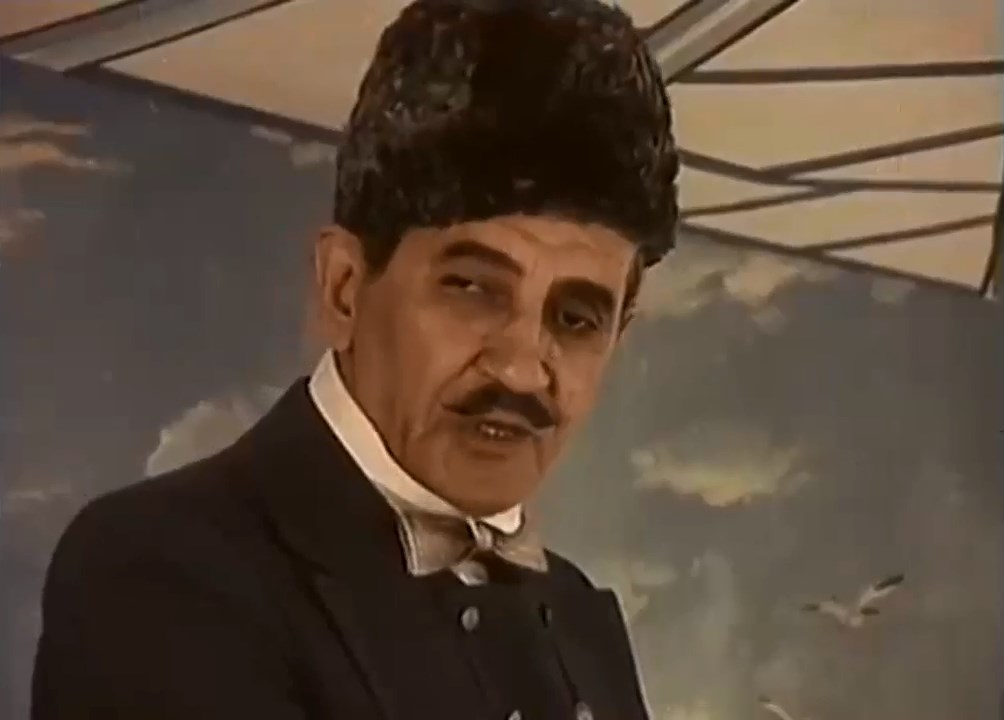


Cast and production
- Ezzatolah Entezami — a leading figure in the drama and one of the most celebrated actors in the show
- Jamshid Mashayekhi — part of the main ensemble who contributed to the series' gravitas
- Mohammad-Ali Keshavarz — a veteran performer with a prominent supporting role
- Ali Nassirian — another principal actor whose presence is frequently noted
- Title and language references: Persian title and the work's place in Iranian cultural production
- Format and broadcast information: a multi-year television serial often discussed in relation to Iranian television history
The production of Hezar Dastan spanned a turbulent historical moment in Iran, which shaped both its schedule and public reception. The series' long gestation and staggered broadcast contributed to its mystique: viewers encountered it across several years as the country underwent rapid social and political change. Ali Hatami's direction emphasized atmospheric sets, period detail and a theatrical sensibility rather than fast-paced plotting.
Critics and audiences have praised the program for its artistry and the depth of its performances. It is often cited as an influential model for later Iranian television dramas that seek to combine literary ambition with mass viewership. While not a conventional action-driven serial, Hezar Dastan remains important because of its character-driven scenes, attention to costume and setting, and memorable turns by its principal actors.
Notable distinctions include its ensemble cast, the director's literary approach, and the way the fictional town functions as a microcosm. For readers and viewers seeking further background on cast members, production history or critical appraisal, the anchors in this article link to additional resources and biographies (Entezami, Mashayekhi, Keshavarz, Nassirian) and to references on the series' original language and broadcast context (Persian, television).
Related articles
Author
AlegsaOnline.com Hezar Dastan Leandro Alegsa
URL: https://en.alegsaonline.com/art/44016