
Herrenberg: historic town in central Baden-Württemberg
Herrenberg is a historic town in central Baden-Württemberg, Germany, known for its preserved medieval centre, the Stiftskirche, regional transport links and its role in the Stuttgart metropolitan area.
Overview
Herrenberg is a town in the centre of Baden-Württemberg, Germany. It lies roughly 30 kilometres south of Stuttgart and about 20 kilometres from Tübingen. After Sindelfingen, Böblingen and Leonberg, it is one of the larger towns in the surrounding district and functions as a local centre for commerce, services and public administration.
Image gallery
5 Images


Character and landmarks
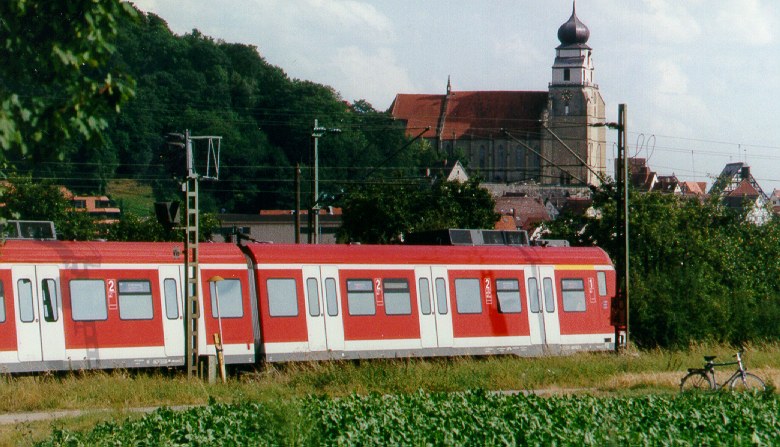
The town is noted for a well-preserved old town with narrow streets and timber-framed houses, a market square and distinctive religious architecture. The collegiate church (Stiftskirche) on a hill above the centre is a prominent landmark with late-medieval Gothic elements and an elevated position that shapes the town silhouette. The combination of historic buildings and modern residential districts gives Herrenberg a mixed urban character.
History and development
Herrenberg developed in the Middle Ages and grew as a market and parish centre. Like many towns in this part of Germany, it expanded slowly over centuries and was shaped by regional politics, trade routes and agricultural hinterlands. In the 19th and 20th centuries improved transport links and industrialisation in the Stuttgart region influenced Herrenberg’s economy and population, turning it into both a local service centre and a commuter town for nearby industrial and research employers.
Transport and economy
Herrenberg is connected to the regional rail and road network, providing practical access to Stuttgart and neighbouring towns. Regular regional trains and local services facilitate commuting and tourism. The local economy combines small and medium-sized enterprises, retail and public services; many residents also work in larger centres of the Stuttgart metropolitan area, particularly in sectors such as automotive supply, engineering and information technology.
Culture, events and green spaces
Community life includes seasonal markets, cultural events and local museums that interpret regional history. Surrounding countryside and nearby protected woodlands offer outdoor recreation: walking, cycling and short excursions from the town are popular. Civic institutions and clubs play an active role in maintaining traditions while accommodating contemporary cultural programmes.
Notable facts and distinctions
- Historic centre dominated by a hilltop church and market square.
- Functions as a regional hub within the Böblingen area and the greater Stuttgart region.
- Combines heritage tourism with modern commuting patterns and local industry.
For practical information on services, municipal administration and visitor attractions, official and regional resources provide up-to-date details and schedules for transport and events.
Related articles
Author
AlegsaOnline.com Herrenberg: historic town in central Baden-Württemberg Leandro Alegsa
URL: https://en.alegsaonline.com/art/43878
Sources
- statistik.baden-wuerttemberg.de : "Alle politisch selbständigen Gemeinden mit ausgewählten Merkmalen am 31.12.2018 (4. Quartal)"
- destatis.de : destatis.de/DE/ZahlenFakten/LaenderRegionen/Regionales/Gemeindeverzeichnis/Administrativ/…
- destatis.de : "Gemeinden in Deutschland nach Fläche, Bevölkerung und Postleitzahl am 30.09.2016"
- commons.wikimedia.org : Herrenberg