
Henryk Mikołaj Górecki — Polish composer known for Symphony No. 3
Polish composer Henryk Mikołaj Górecki (1933–2010) combined early avant-garde techniques with a later, austere sacred and tonal style; his Symphony No. 3 achieved rare popular success for contemporary classical music.
Overview
Henryk Mikołaj Górecki (6 December 1933 – 12 November 2010) was a Polish composer whose work bridged post‑war modernism and a later, more pared-down, spiritual idiom. Trained in Poland, he moved from experimental techniques in his early career toward music that emphasized simple harmonies, modal melodies and an emotional directness that resonated with wide audiences.
Image gallery
4 Images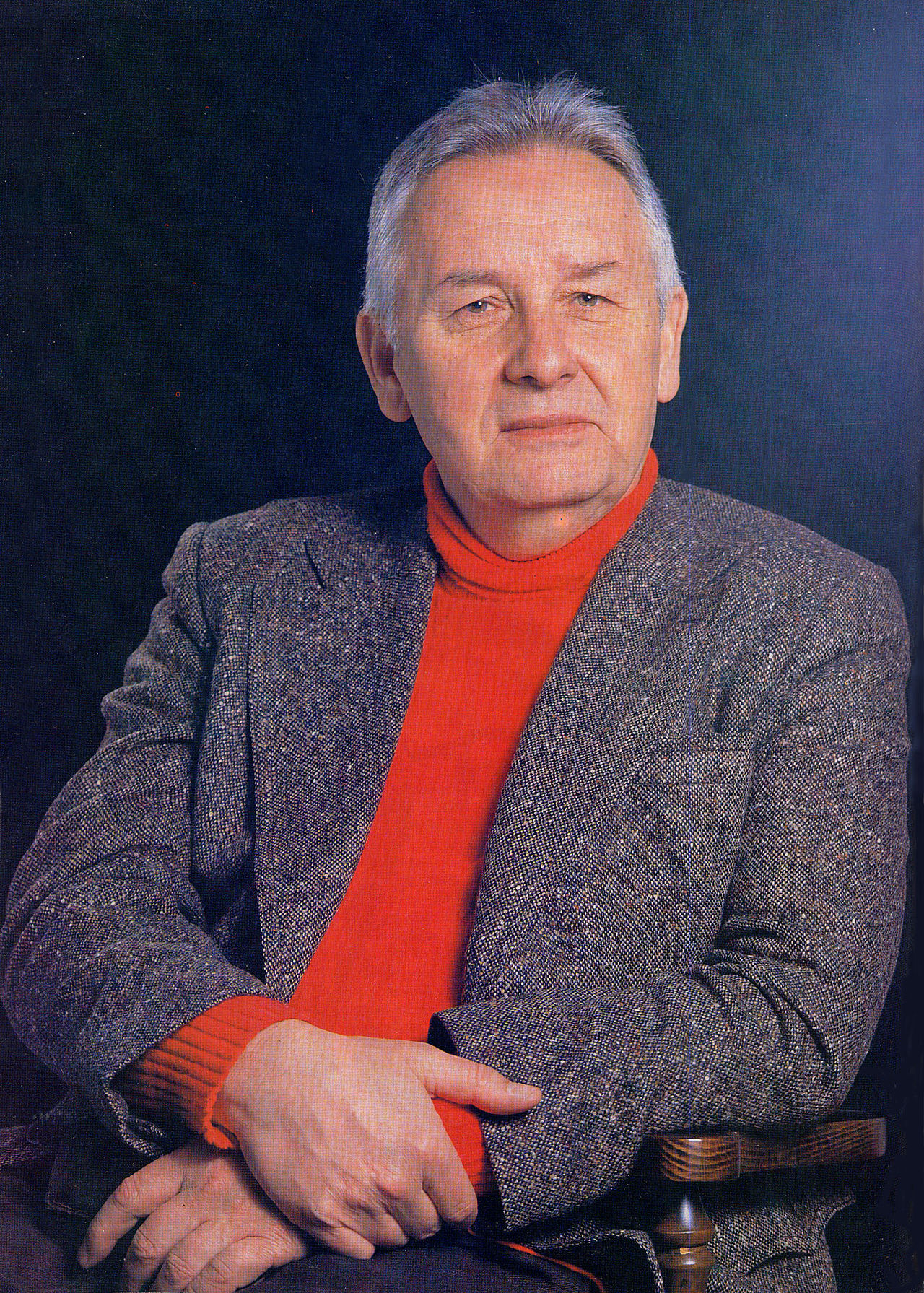


Musical characteristics
Górecki's music is often identified by its slow tempi, repeated motifs, and clear, diatonic harmonies in later works. He drew on sacred texts, Polish lament and folk inflections, producing pieces that many listeners find austere yet deeply expressive. Early works show influences of serialism and avant-garde sonorities; later works abandon dense modernist textures in favor of transparency and devotional intensity.
Notable work and reception
Górecki's best-known composition is his Symphony No. 3, the "Symphony of Sorrowful Songs," written in the 1970s. A 1992 commercial recording brought the piece unexpected international popularity: it sold in excess of one million copies and reached the upper ranks of the popular album charts in the United Kingdom, a rare achievement for a contemporary classical release. That recording introduced many listeners worldwide to Górecki's quiet, moving soundworld.
Context and influences
Górecki studied and taught in Poland and worked within a cultural milieu that included both modernist experimentation and a strong native choral tradition. His artistic evolution reflects a shift shared by several late 20th‑century composers who sought renewed spiritual meaning through simpler materials, while still maintaining rigorous craft. Performers and audiences have praised his ability to combine restraint with emotional depth.
Legacy and honors
Górecki's music remains in concert programming and on recordings; his Symphony No. 3 in particular continues to be performed and studied as an example of late 20th‑century sacred expression in classical music. In 2010 he was awarded the Order of the White Eagle, the highest civilian honor of Poland, recognizing his contribution to national and international musical life.
Further points
- Górecki's output spans orchestral, choral and chamber works that reflect both modernist and traditional approaches.
- His international reputation rests chiefly on the extraordinary public response to the Symphony No. 3 and the recordings and performances that followed.
Related articles
Author
AlegsaOnline.com Henryk Mikołaj Górecki — Polish composer known for Symphony No. 3 Leandro Alegsa
URL: https://en.alegsaonline.com/art/43634
Sources
- theaustralian.com.au : "Henryk Gorecki's greatest hits came late"