
Henry Walter Bates: English naturalist and Amazon explorer
English naturalist (1825–1892) who spent 11 years in the Amazon, coined the basis of Batesian mimicry, returned thousands of insect specimens, and published The Naturalist on the River Amazons.
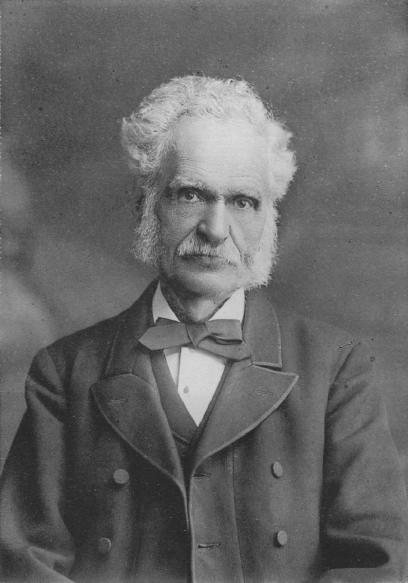
Henry Walter Bates (born 8 February 1825 in Leicester — died 16 February 1892 in London) was an English naturalist and field biologist best known for his prolonged exploration of the Amazon basin. Trained as a natural history collector and observer, Bates combined careful field notes, extensive specimen collecting and comparative study to illuminate patterns of variation and adaptation among tropical animals.
Image gallery
6 Images



Amazon expedition and collecting
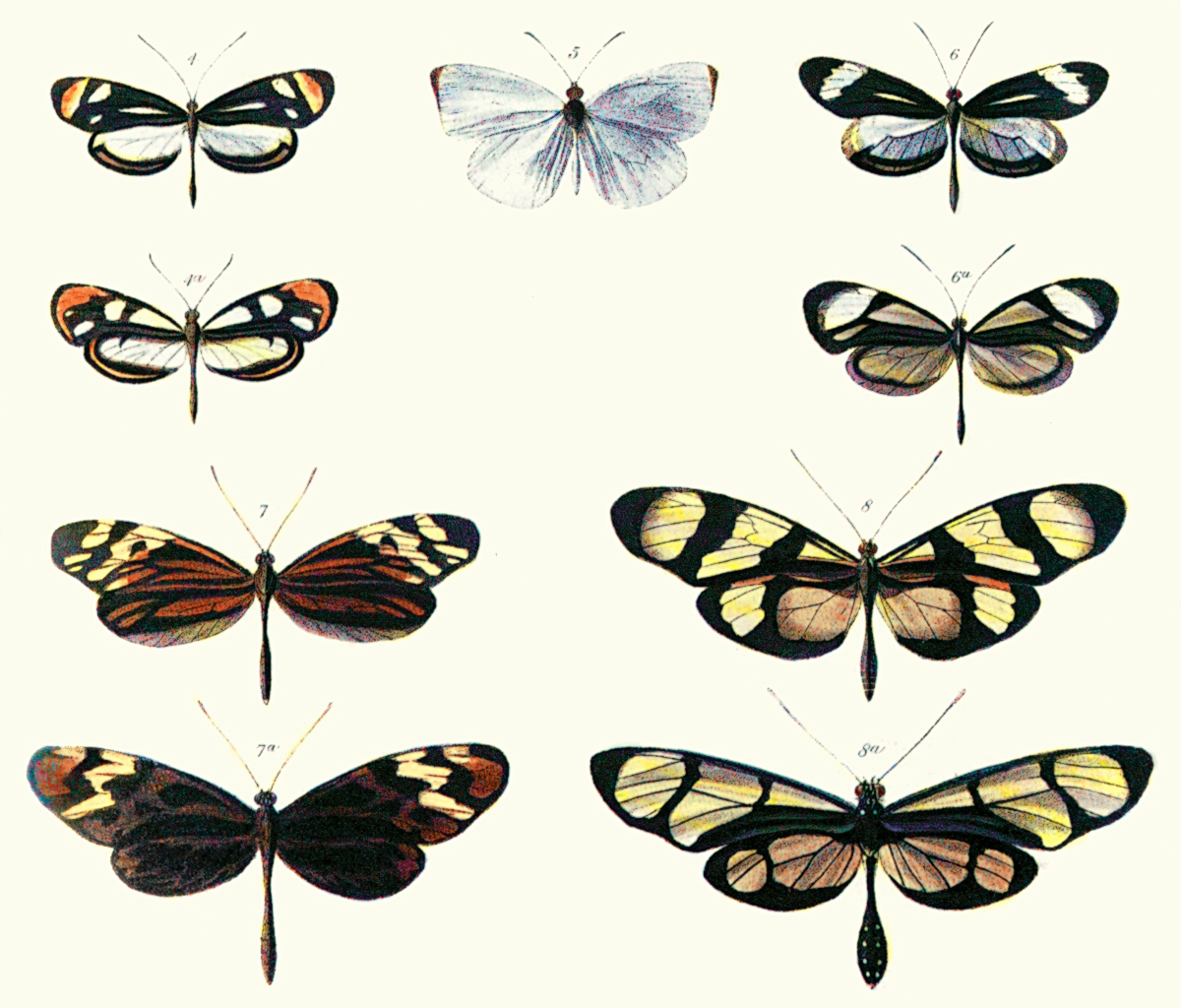
In 1848 Bates set out for South America in company with Alfred Russel Wallace. Where Wallace later returned to Britain, Bates remained in the region for about eleven years, exploring tributaries of the Amazon River and establishing collecting stations along forest rivers. During that time he sent home a vast assemblage of material — primarily insects — that greatly expanded European knowledge of tropical biodiversity. On his return in 1859 he brought back many thousands of specimens, a substantial proportion of which were new to science.
Batesian mimicry and scientific importance
Bates provided the first rigorous account of a widespread ecological phenomenon in which a harmless species evolves to resemble an unpalatable or dangerous one. This form of resemblance, now called Batesian mimicry, became an important piece of evidence in support of evolutionary explanations for adaptive resemblance and natural selection. Bates described how predators learn to avoid noxious models and thereby confer survival advantages on mimics, and he used abundant field examples from tropical insects to illustrate the process.
Writings, taxonomy and influence
On return to Britain Bates published descriptions of new species and a popular scientific memoir that combined travel narrative with natural history observation. His book, The Naturalist on the River Amazons, summarized his field experience, life-history notes and taxonomic findings and remains a classic of nineteenth-century naturalist literature. His taxonomic work, especially on beetles, contributed numerous types and species descriptions that served as material for later systematic studies.
Beyond his publications, Bates's careful collecting methods, ecological interpretations and correspondence with other naturalists helped integrate tropical field evidence into broader evolutionary debates of the period. His explanations of mimicry were noted by contemporaries and have continued to influence work in ecology, evolutionary biology and entomology.
Legacy and key facts
Bates is remembered both for the sheer scale of his collections and for a clear conceptual advance in explaining protective resemblance. His name persists in the term Batesian mimicry and in species names honoring him. Aspects of his life and work that are often highlighted include:
- Long-term fieldwork in the Amazon region and detailed natural-history observations.
- Returning thousands of specimens to Britain, many of them new to science.
- Formalizing the idea of Batesian mimicry as an evolutionary and ecological phenomenon (mimicry).
- Publishing both scientific descriptions and a widely read travel-natural history book that popularized tropical biology.
Questions and answers
Q: Who was Henry Walter Bates?
A: Henry Walter Bates was an English biologist who explored the Amazon Rainforest and gave the first scientific account of mimicry in animals.
Q: What is Batesian mimicry?
A: Batesian mimicry is named after Henry Walter Bates and refers to a type of mimicry in which a harmless species develops similar physical characteristics to a harmful species in order to protect themselves from predators.
Q: What is Henry Walter Bates most famous for?
A: Henry Walter Bates is most famous for his expedition to the Amazon River basin with Alfred Russel Wallace in 1848, during which he spent 11 years in the rainforest and sent back over 14,000 species (mostly of insects) of which 8,000 were new to science.
Q: When was Henry Walter Bates born and when did he die?
A: Henry Walter Bates was born on 8 February 1825 and died on 16 February 1892.
Q: What was Henry Walter Bates' contribution to the study of animals?
A: Henry Walter Bates gave the first scientific account of mimicry in animals, which is a significant contribution to the study of animal behavior and evolution.
Q: How long did Henry Walter Bates spend in the Amazon Rainforest?
A: Henry Walter Bates spent 11 years in the Amazon Rainforest.
Q: How many species did Henry Walter Bates send back from his Amazon Rainforest expedition?
A: Henry Walter Bates sent back over 14,000 species (mostly of insects) from his Amazon Rainforest expedition, of which 8,000 were new to science.
Related articles
Author
AlegsaOnline.com Henry Walter Bates: English naturalist and Amazon explorer Leandro Alegsa
URL: https://en.alegsaonline.com/art/43625
Sources
- commons.wikimedia.org : Henry Walter Bates
- onlinebooks.library.upenn.edu : The Naturalist on the River Amazons