
Peterborough, England: overview, history, and features
Peterborough is a cathedral city in the East of England on the River Nene, noted for its medieval cathedral, long history from prehistoric times, Victorian industries and modern transport links.

Overview
Peterborough is a historic cathedral city in the East of England. Situated on the River Nene, it stands roughly 75 miles north of London and serves as a regional centre for commerce, rail travel and public services. The settlement is widely known for Peterborough Cathedral, which dominates the river valley and gives the city much of its identity. Modern population figures vary by source; census returns around 2011 recorded a population of about 184,500 in the wider urban area.
Image gallery
10 Images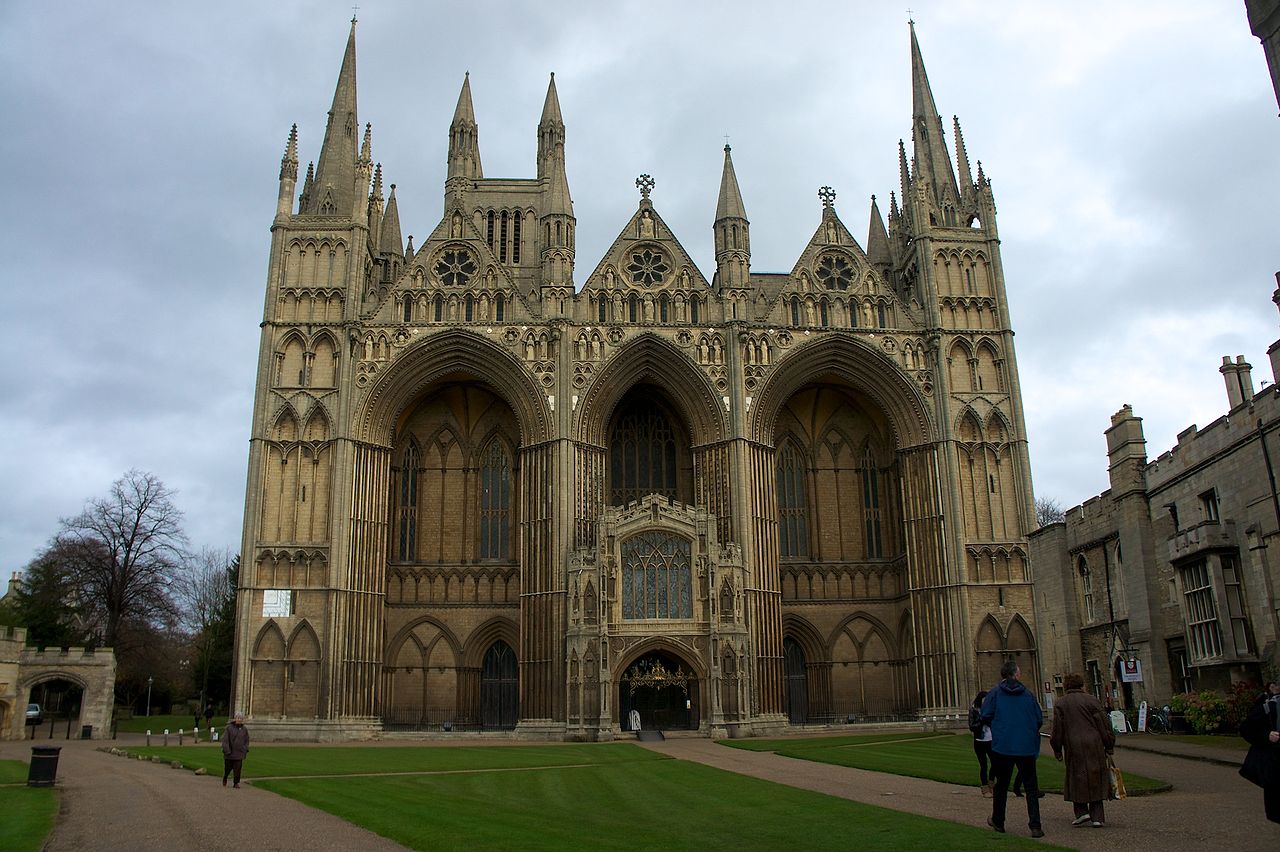




Geography and administration
Peterborough lies on low-lying fenland where the landscape is largely flat. Parts of the surrounding countryside are reclaimed marshes and in places can sit below sea level, particularly across the adjacent Fens. The city sits on the River Nene, which continues east to the North Sea. Administratively, Peterborough has historical ties to Northamptonshire but for some purposes is treated within the ceremonial bounds of the county named after its neighbour, Cambridgeshire. The local authority area borders counties such as Lincolnshire and Rutland.
History and archaeology
Evidence of human activity in the area extends back well before the medieval period. Human settlement near Peterborough can be traced to the Bronze Age and earlier, notably at the well-known prehistoric site of Flag Fen, to the east of the modern city. Archaeologists have also recorded signs of Roman occupation and later Anglo-Saxon developments. In the early medieval period a religious community grew up around a monastery or minster, sometimes referred to as Medeshamstede in older accounts; this ecclesiastical foundation evolved into the cathedral precinct that remains a focal point today.
Transport, industry and growth
The arrival of the railway and expansion of train services in the 19th century accelerated Peterborough’s growth. The city’s station is an important stop on the East Coast Main Line, which links London with northern cities including Edinburgh. Improved connections helped stimulate local industries: during the Victorian era the town developed manufacturing trades, and it became especially noted for the production of building materials, including bricks. In more recent decades the economy has diversified into distribution, services and light manufacturing.
Culture, landmarks and civic life
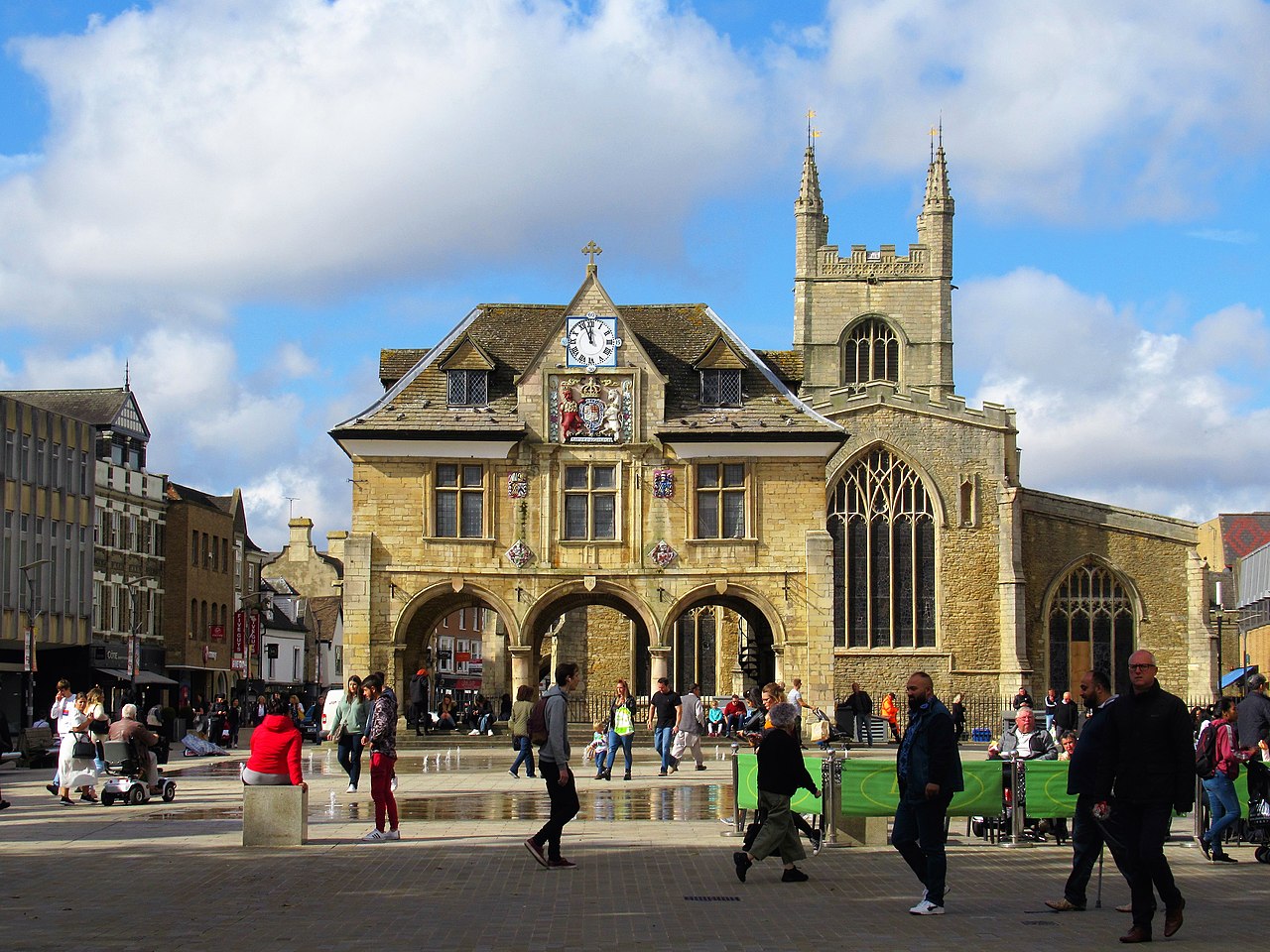
Aside from the cathedral, Peterborough contains a mix of medieval, Victorian and modern architecture. The cathedral itself contains elements from different periods and is the most widely recognised landmark. Cultural life includes local museums, festivals, green spaces and a market tradition in the town centre. The city functions as a local hub for education, healthcare and retail for the surrounding rural counties.
Notable characteristics and distinctions
Key attributes of Peterborough include its riverside setting, long continuity of settlement, and role as a transport junction. The city’s flat topography and proximity to the Fens shape its environment and land use. Historically it has combined religious importance around the cathedral with industrial activity such as manufacturing and brickmaking; the growth of rail networks and rail transport in the nineteenth century helped turn a market town into a larger urban centre. For governance and ceremonial matters the city’s status and county associations have been described in different ways: it is often referred to as a cathedral city and its administrative links touch on neighbouring county structures and arrangements for ceremonial purposes.
Further reading and resources
Questions and answers
Q: What is the population of Peterborough?
A: The population of Peterborough is about 184,500 as of mid-2011.
Q: Where is Peterborough located?
A: Peterborough is located in the East of England, 75 miles (121 km) north of London and on the River Nene which flows into the North Sea, about 30 miles (48 km) to the northeast.
Q: What county does Peterborough belong to for ceremonial purposes?
A: For ceremonial purposes, Peterborough belongs to Cambridgeshire county.
Q: What railway station serves as an important stop on a major line?
A: The railway station in Peterborough serves as an important stop on the East Coast Main Line between London and Edinburgh.
Q: How was human settlement first established in this area?
A: Human settlement began before the Bronze Age, as seen at Flag Fen archaeological site east of Peterborough. There is also evidence of Roman occupation.
Q: When did population growth begin in this city?
A: Population growth began after rail transport started in the 19th century.
Q: What was one industry that became known for during this time period?
A: During this time period,Peterborough became known for manufacturing bricks.
Related articles
Author
AlegsaOnline.com Peterborough, England: overview, history, and features Leandro Alegsa
URL: https://en.alegsaonline.com/art/76176
Sources
- books.google.com : City Status in the British Isles, 1830–2002
- peterboroughtoday.co.uk : "Population growth rate is fastest in UK but Peterborough people are not that happy - report"
- consult.peterborough.gov.uk : Peterborough Local Plan (First Replacement)