
Hempstead, New York: Overview, history, and key facts
Hempstead is a large town on Long Island in Nassau County, New York. This article summarizes its location, subdivisions, history, government, transport, institutions, and notable distinctions.
Overview
Hempstead is a town on Long Island in the United States, located within the state of New York and forming part of Nassau County. It is one of the most populous towns in the nation, with a population commonly cited at roughly 759,000 people; exact totals vary with census updates. The town combines dense suburban neighborhoods, older village centers, and coastal communities, and it serves as a major suburban extension of the New York metropolitan area.
Image gallery
10 Images


Geography and subdivisions
Hempstead covers a substantial portion of southern Nassau County and borders the borough of Queens to the west. The town contains many incorporated villages and unincorporated hamlets; among the better known are the Village of Hempstead, Freeport, Levittown, Uniondale and the communities that make up the "Five Towns" region. These separate municipalities each retain local services while sharing county and town-level infrastructure and planning.
History and development
The area now called Hempstead was established by English settlers in the mid-17th century and developed from an agricultural settlement into a suburban expanse. Its transformation accelerated in the 20th century, particularly after World War II, when large-scale housing developments and improved transportation linked Long Island more closely to New York City. Postwar suburbanization, notable residential projects, and commercial growth shaped much of Hempstead's modern landscape.
Government and public services
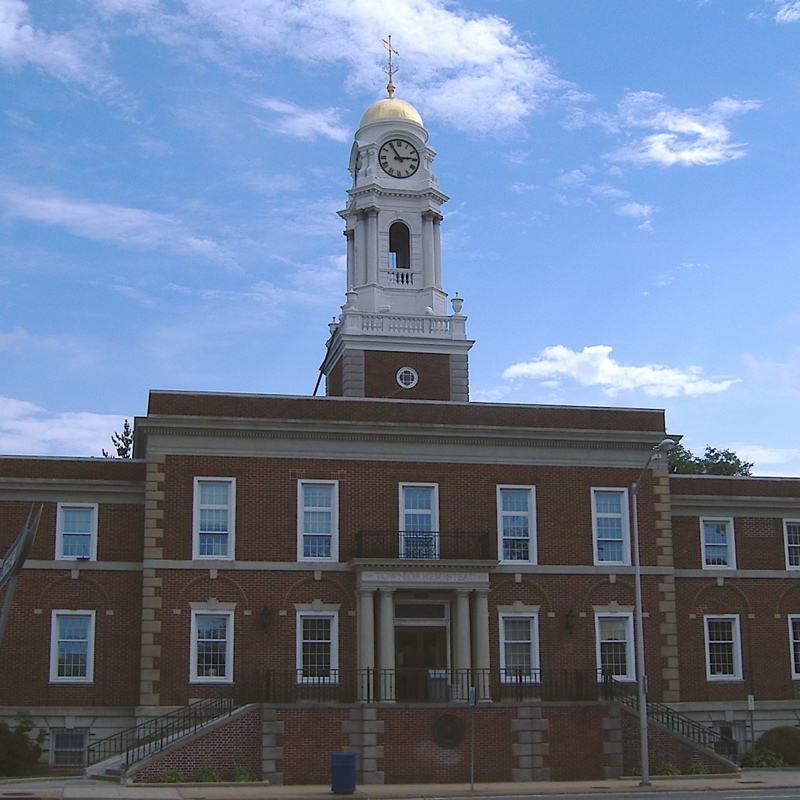
Hempstead is governed at the town level by an elected supervisor and a town council; many local matters are handled by village governments or county agencies. Public services include local police and volunteer fire departments in some villages, while other functions—such as certain courts, health programs, and larger infrastructure projects—are administered by Nassau County or the state of New York. The town seat and many municipal offices are located in the Village of Hempstead.
Economy, institutions and transport
The town's economy is largely suburban: retail centers, small industry, professional services, education, and health care dominate local employment. Hempstead hosts higher-education institutions and major event venues in or near its boundaries, and it benefits from multiple Long Island Rail Road lines and major highways that provide direct connections to New York City. This transport network supports commuting, commerce, and regional access to the metropolitan economy.
Notable facts and distinctions
Hempstead is notable for its size and diversity of communities, its long colonial history, and its role as a populous suburban county hub. It is frequently described as one of the largest towns in the United States by population. Population figures and political leadership change over time, so for current statistics and municipal contacts consult official sources and recent census data.
Further reading
- Municipal and county resources are useful for up-to-date governance and service information; see local government websites and county publications via the links above.
- Regional transportation authorities publish schedules and maps for rail and road connections that serve Hempstead and surrounding Long Island communities.
Related articles
Author
AlegsaOnline.com Hempstead, New York: Overview, history, and key facts Leandro Alegsa
URL: https://en.alegsaonline.com/art/43471