
Hellenic Parliament (Vouli ton Ellinon)
The Hellenic Parliament is Greece's unicameral legislature, seated in the Old Royal Palace in Athens. It is composed of 300 elected members and performs lawmaking, oversight and representative functions.
Overview
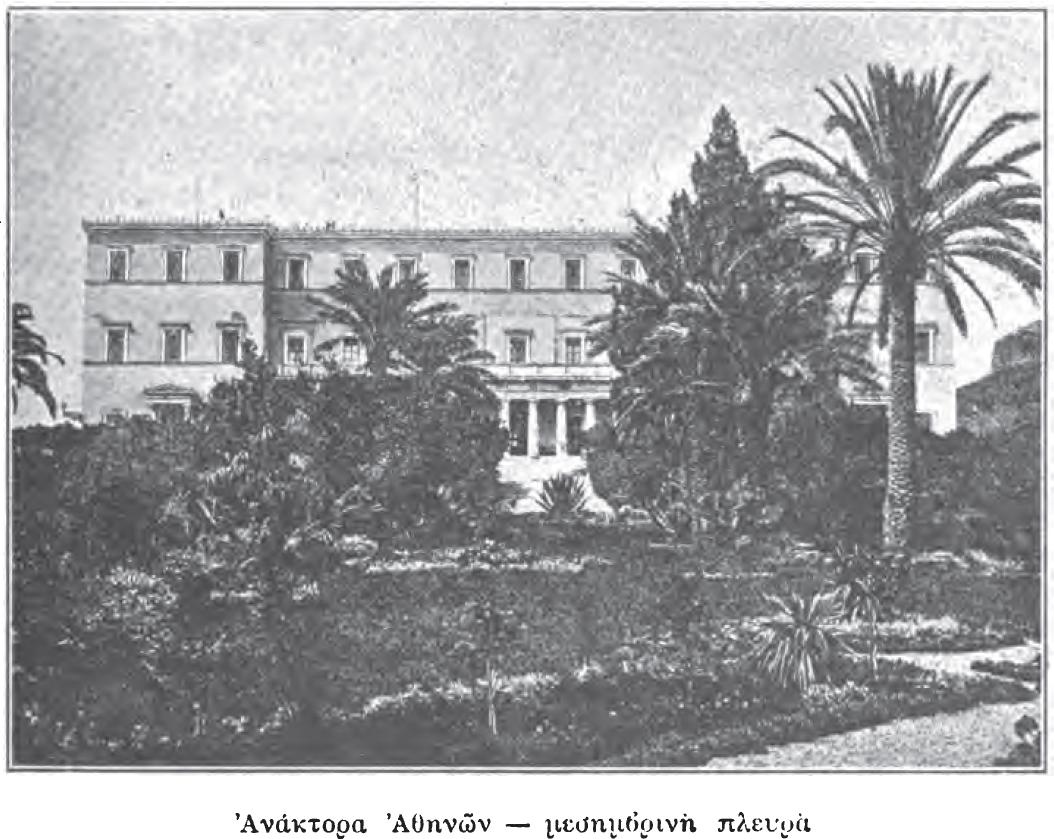
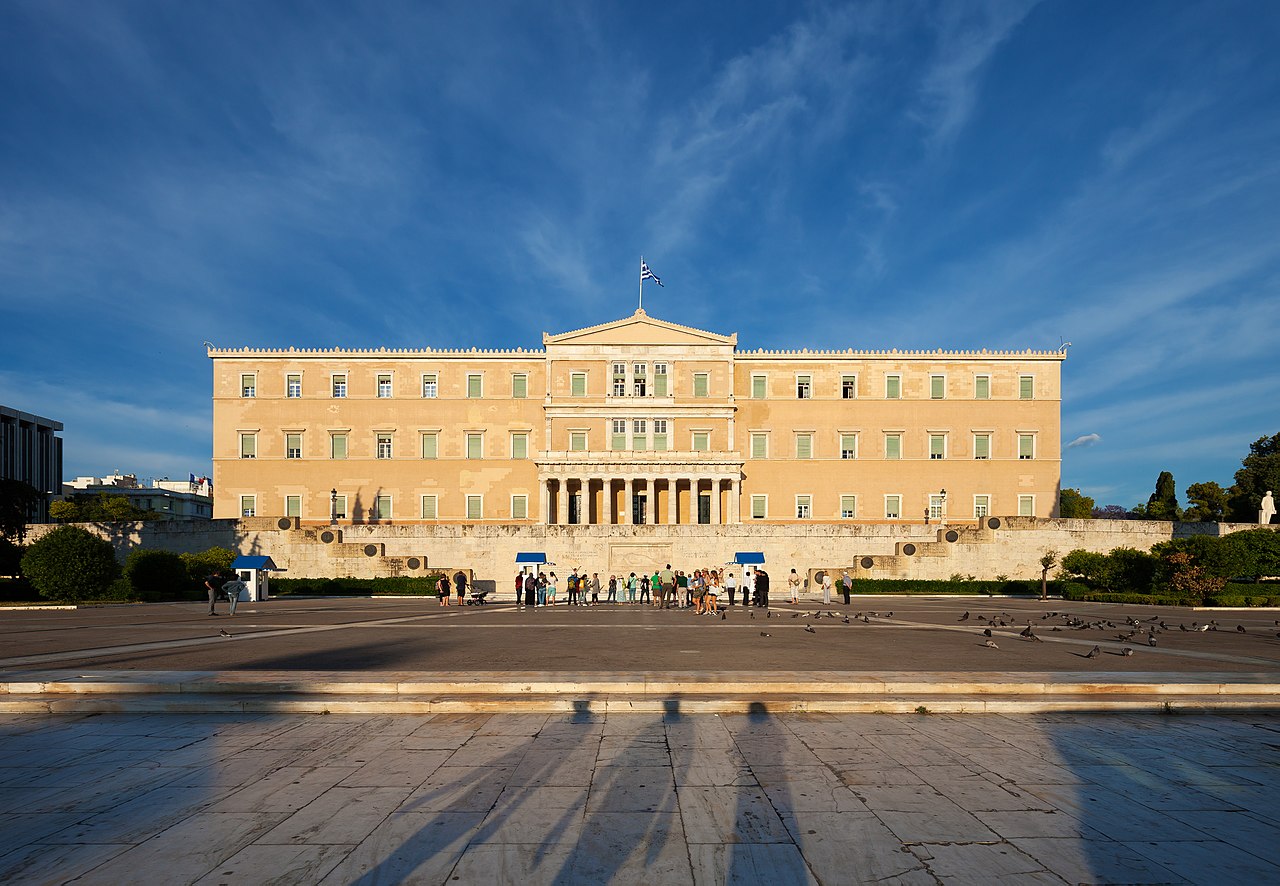
The Hellenic Parliament, known in Greek as Ελληνικό Κοινοβούλιο and also called Elliniko Kinovoulio or Vouli ton Ellinon, is the national legislative body of Greece. It is a unicameral legislature that represents the electorate through directly chosen Members of Parliament (MPs). The assembly meets in the Old Royal Palace in central Athens, where debates, votes and committee work take place.
Image gallery
9 Images




Composition and membership
The Parliament is composed of 300 members who serve terms of up to four years. Members are elected by popular vote under rules set by national electoral law; those rules have changed over time and affect the detailed distribution of seats. The body organizes its work through plenary sittings and a system of standing and special committees that examine legislation, public administration and budgetary matters.
Powers and functions
As the supreme representative organ, the Hellenic Parliament enacts laws, approves the state budget, ratifies international treaties and exercises democratic oversight of the government. It can authorize confidence votes, interpellations and inquiries, and plays a central role in the appointment or dismissal of key state officials. The assembly also provides a forum for national debate and for opposition parties to scrutinize executive action.
Structure and officers
Parliamentary business is directed by the Speaker and a group of deputy speakers and administrative officers. The chief presiding officer is commonly referred to as the Speaker of the Hellenic Parliament, who is responsible for chairing sessions, maintaining order and representing the institution externally. Committees and party groups set agendas and prepare texts for plenary consideration.
History and building
The origins of representative assemblies in modern Greece trace back to the period of the national struggle and the formation of the modern state in the 19th century. The current parliamentary chamber is housed in the neoclassical Old Royal Palace overlooking Syntagma Square; the building has been adapted over time to meet the needs of a contemporary legislature.
Significance and public role
The Hellenic Parliament remains the focal point of democratic life in Greece: it translates popular will into law, supervises the executive, and provides institutional continuity. Through public sittings, committee hearings and official publications, it contributes to transparency and civic participation while reflecting the country's political diversity.
Related articles
Author
AlegsaOnline.com Hellenic Parliament (Vouli ton Ellinon) Leandro Alegsa
URL: https://en.alegsaonline.com/art/43385
Sources
- greece.greekreporter.com : greece.greekreporter.com/2019/07/18/greek-parliament-elects-konstantinos-tasoulas-as-new-…