
Head-end power (HEP) — Electric train supply (ETS)
Head-end power (HEP), or Electric Train Supply (ETS), is the on-board electrical system that provides heating, lighting, HVAC and auxiliary services to passenger railway vehicles from a locomotive or generator car.
Head-end power (HEP), also called Electric Train Supply (ETS), is the electrical distribution system that supplies non-propulsion power to passenger rolling stock. The source is typically the train's prime mover or a dedicated generator car located at the head of the train; it provides the electricity used for heating, ventilation and air conditioning (HVAC), lighting, kitchen appliances, information systems and other hotel loads. HEP is distinct from the traction power that drives the wheels.
Image gallery
9 Images
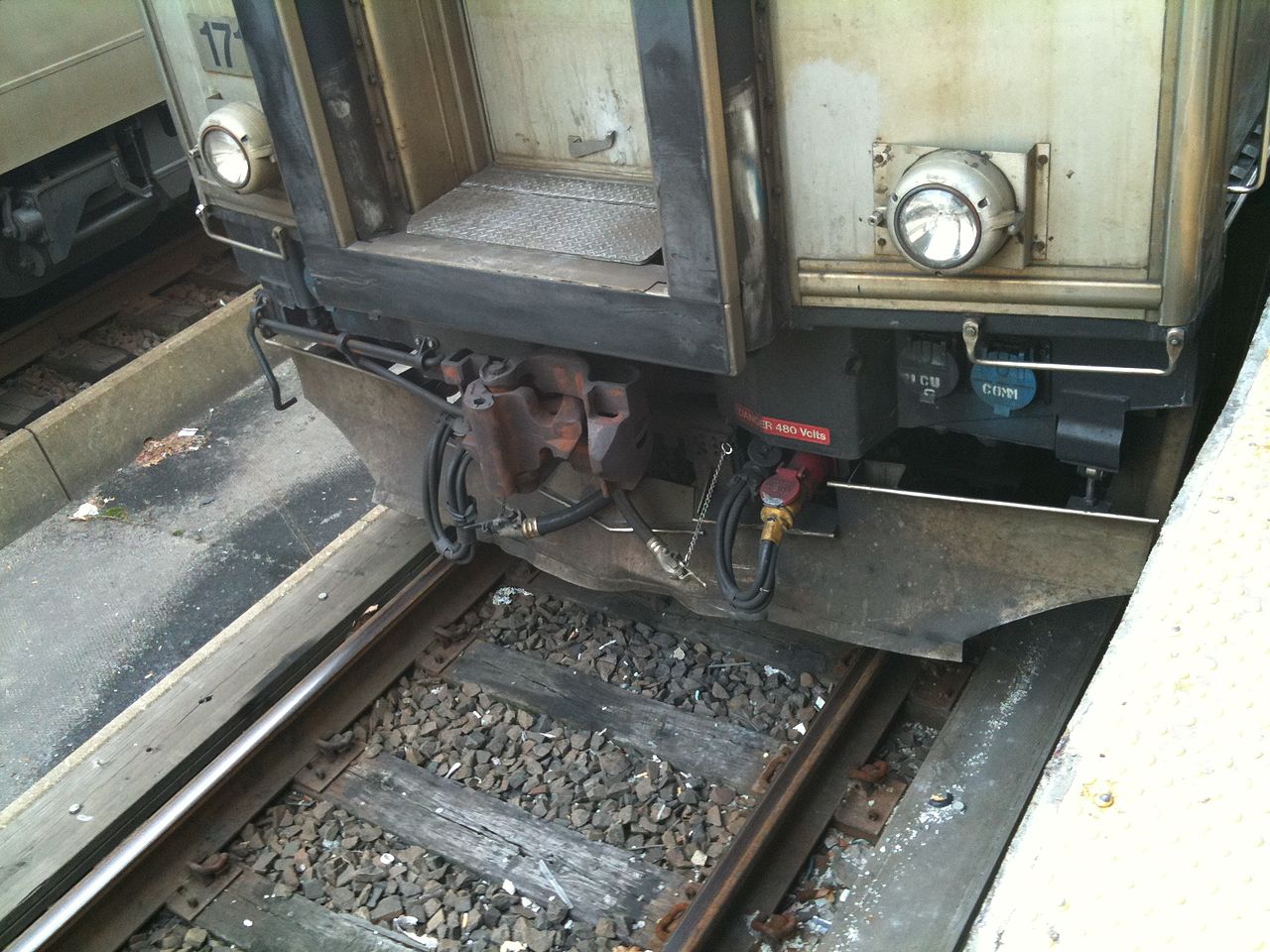

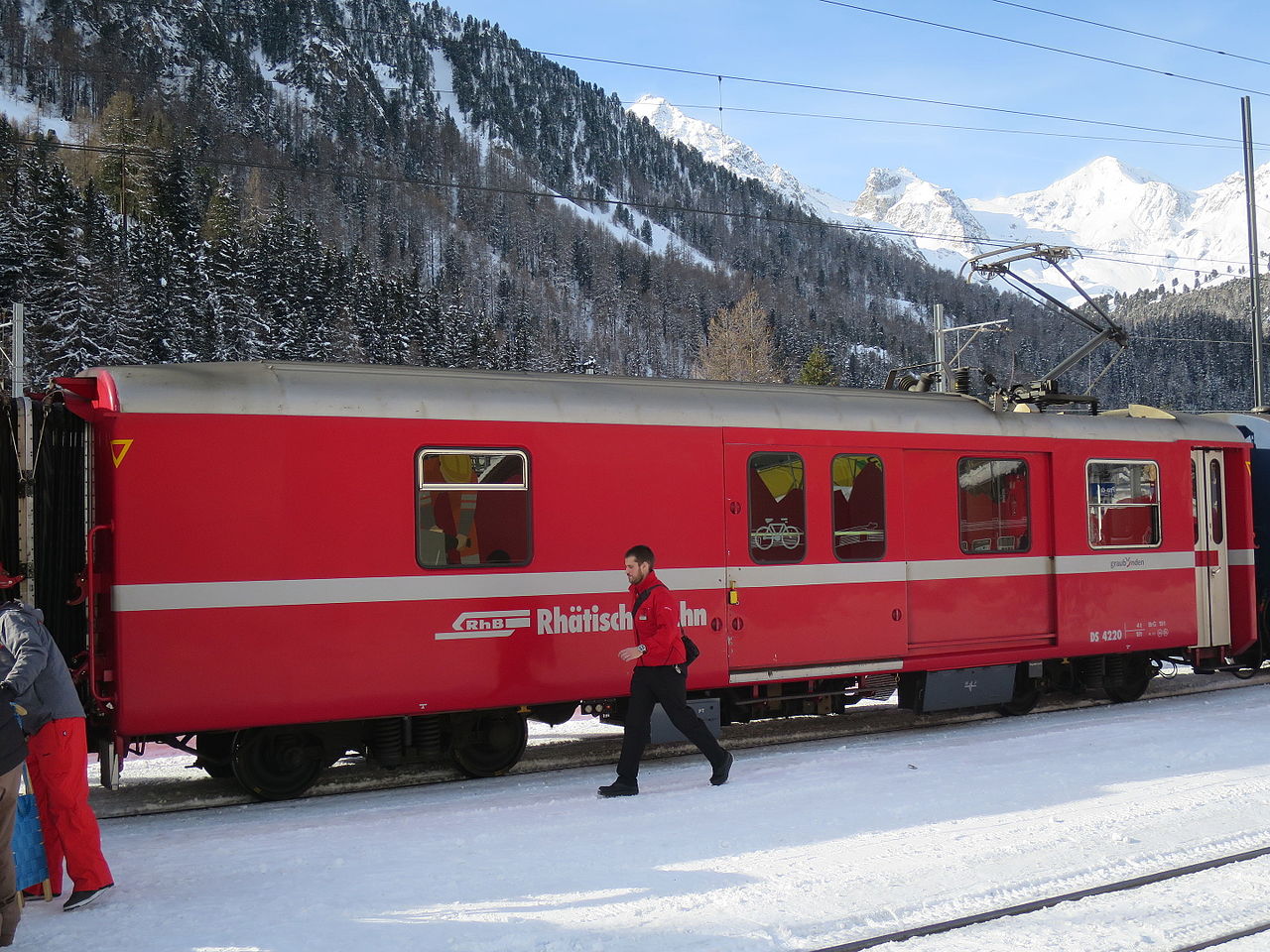


Key components and how it works
The basic HEP arrangement includes a power generator or alternator on the locomotive, control electronics, protective circuitry, a trainline that carries electricity between cars, and local distribution and converters in each coach. Modern systems often use transformers, static inverters and frequency converters to deliver stable voltages and frequencies regardless of engine speed. Power is routed through standardized jumper cables and connectors so each coach receives the required supplies.
History and development
Early passenger trains were warmed by steam heat supplied from the locomotive; electric supplies were later adopted as passenger comfort systems and on-board appliances became common. Over the mid-20th century railways phased out steam heating and fitted locomotives with alternators dedicated to hotel power or introduced generator cars for non-powered trains. Advances in power electronics allowed reliable fixed-frequency supplies and improved safety.
Uses and operational importance
- Heating, ventilation and air conditioning (HVAC)
- Interior and exterior lighting, passenger information systems and communications
- Kitchen and catering equipment in dining cars
- Battery charging, toilets, and other auxiliary services
Providing stable HEP is essential for passenger comfort, operational reliability and safety. Loss of HEP can disable climate control, lighting and critical monitoring equipment.
Variants and standards
Systems vary by region and operator. Common supply types include three-phase AC at utility frequencies (for example, 50 Hz in many countries and 60 Hz in others) and DC-based supplies with on-board conversion. In some markets 400 V or 480 V three-phase supplies are typical, with local converters for lower-voltage consumer circuits. Multiple-unit trains usually generate their own hotel power from each unit instead of relying on a single head-end source.
Distinctions between HEP and traction power, the choice between locomotive-provided HEP or generator cars, and the adoption of modern inverter-based electronics are important considerations for fleet compatibility and energy efficiency. For further technical background on electric power and railway motive power see electric power and general references on the locomotive.
Related articles
Author
AlegsaOnline.com Head-end power (HEP) — Electric train supply (ETS) Leandro Alegsa
URL: https://en.alegsaonline.com/art/43022