
Hays County, Texas — geography, history, and communities
Hays County is a rapidly growing county in central Texas with San Marcos as its county seat. Known for spring-fed rivers, Texas State University, and its location along I‑35 between Austin and San Antonio.
Hays County is a county in the central region of the United States state of Texas. It lies along the Interstate 35 corridor between Austin and San Antonio and has become one of the faster-growing counties in the state since the early 21st century. The 2010 U.S. census recorded 157,107 residents; the county’s population and development patterns have changed substantially since that count. The county seat is San Marcos, an educational and cultural center.
Image gallery
8 Images

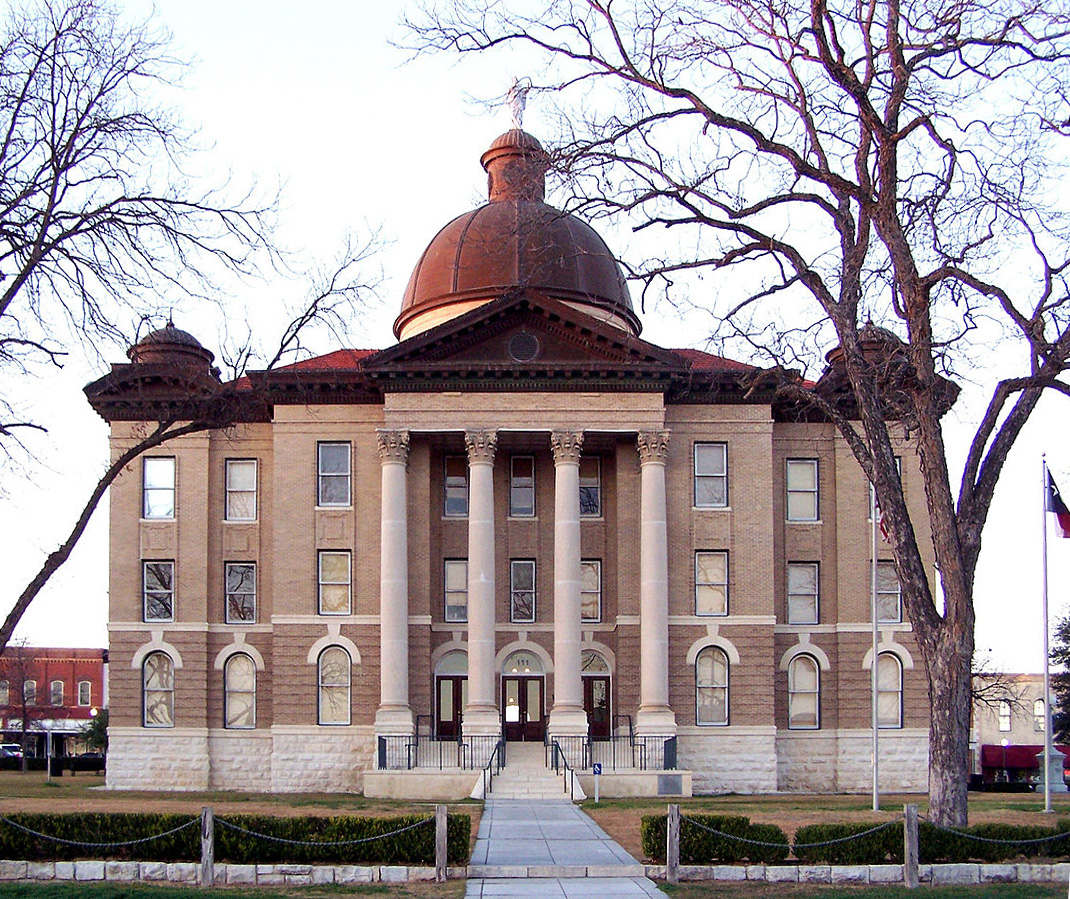


Geography and communities
Hays County includes a mix of small cities, suburban neighborhoods and rural land. Major population centers include San Marcos, Kyle and Buda; smaller towns and places such as Wimberley contribute cultural and recreational attractions. The county’s landscape is shaped by spring-fed waterways, rolling hills at the edge of the Edwards Plateau, and karst limestone formations that produce caves and springs.
History and name
The county was formed in the mid-19th century and named for John Coffee Hays, a noted Texas Ranger and early Texas lawman. Before European settlement the area was inhabited by Indigenous peoples; later 19th-century settlers established farms, ranches and towns along rivers and transportation routes. Growth accelerated in the 20th and 21st centuries as nearby metropolitan areas expanded.
Economy, institutions and transport
The local economy mixes higher education, services, retail and commuter activity. San Marcos is home to a major public university that shapes the local labor market and culture. Interstate 35 and other regional roads make Hays County an important commuter corridor for people traveling to employment centers in the Austin and San Antonio areas. Land-use change and suburban development have been prominent local issues.
Environment, recreation and notable features
Hays County is known for its springs and rivers, which support recreation and biodiversity. Popular outdoor destinations include clear spring outlets, public parks and small state natural areas. The county’s karst terrain contains caves and springs that are important for groundwater resources and conservation. Tourism tied to natural features, historic downtowns and festivals contributes to the county’s identity.
Quick facts and distinctions
- Location: central Texas along I‑35, between major cities.
- County seat: San Marcos, a university city and cultural hub.
- Combines suburban growth with rural and environmentally sensitive areas.
As Hays County continues to grow, local planning balances development, transportation needs and protection of the springs and river systems that define much of the county’s character. For more detailed data and government resources consult county and state publications.
Related articles
Author
AlegsaOnline.com Hays County, Texas — geography, history, and communities Leandro Alegsa
URL: https://en.alegsaonline.com/art/42972