
Healesville Sanctuary (Sir Colin MacKenzie Fauna Park)
Australian wildlife park near Healesville, Victoria, specialising in native species, conservation breeding and public education. Noted for early platypus breeding and work with endangered birds.
Healesville Sanctuary, also known historically as the Sir Colin MacKenzie Fauna Park, is a wildlife park located near Healesville in Victoria. It is operated as part of the state’s major zoological network and focuses exclusively on native Australian fauna. Visitors encounter animals in a largely natural bush setting designed to reflect local habitats rather than a traditional urban zoo layout. For general information see Healesville Sanctuary and for the state context see Victoria.
Image gallery
6 Images



Scope and characteristics
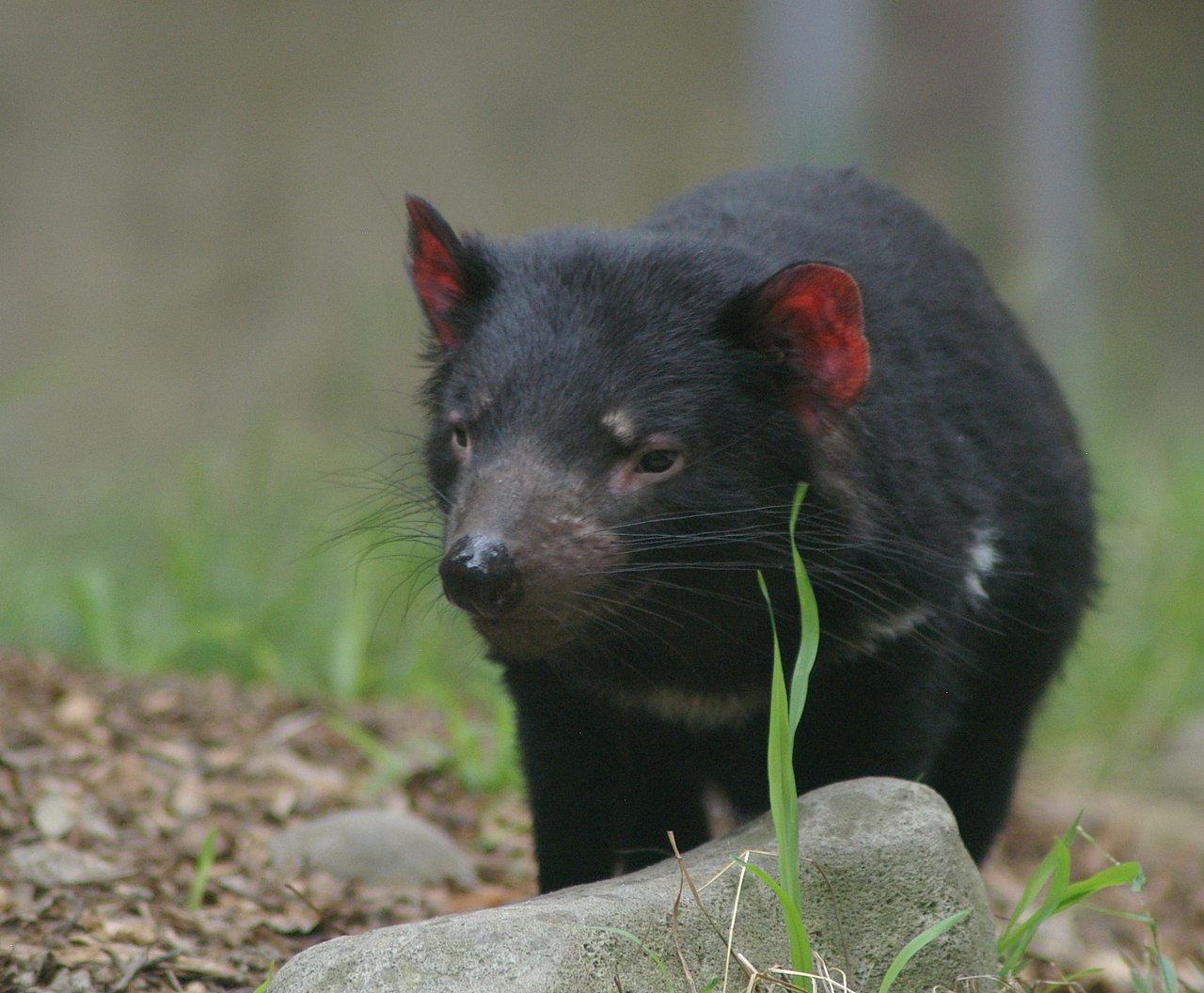
The sanctuary limits its collection to species that are native to Australia and places emphasis on species that are representative of the region’s ecosystems. It displays mammals, birds and reptiles, alongside interpretive exhibits and specialist enclosures that support husbandry and research. The sanctuary’s approach blends public viewing with conservation work; more about Australian wildlife is available at Australian fauna. Its long-term husbandry and captive breeding activities are described at breeding programs.
History and notable achievements
A notable milestone in the sanctuary’s history is its pioneering work with the platypus. In 1943 it became the first zoological institution to successfully breed a platypus in captivity, a breakthrough for monotreme husbandry; details on early platypus efforts are often referenced under platypus breeding. The only other major Australian zoo to report captive platypus breeding is associated with Sydney and the well-known Taronga Zoo.
Conservation and research
Healesville plays an active role in conservation breeding and the recovery of threatened species. It participates in coordinated programs for endangered birds and mammals and supports release and habitat-restoration efforts where feasible. One highlighted program involves the recovery of the rare Helmeted honeyeater; background on threat status is provided at endangered species resources and the specific work is described at Helmeted honeyeater.
Wildlife and habitats
The park’s walking trails wind through recreated and remnant bushland with interpretive signage and viewing areas that let visitors appreciate species in a setting that resembles their wild habitats. Typical animals on display and central to the sanctuary’s interpretation include:
- Wallabies and other macropods
- Kangaroos
- Wombats
- Dingoes
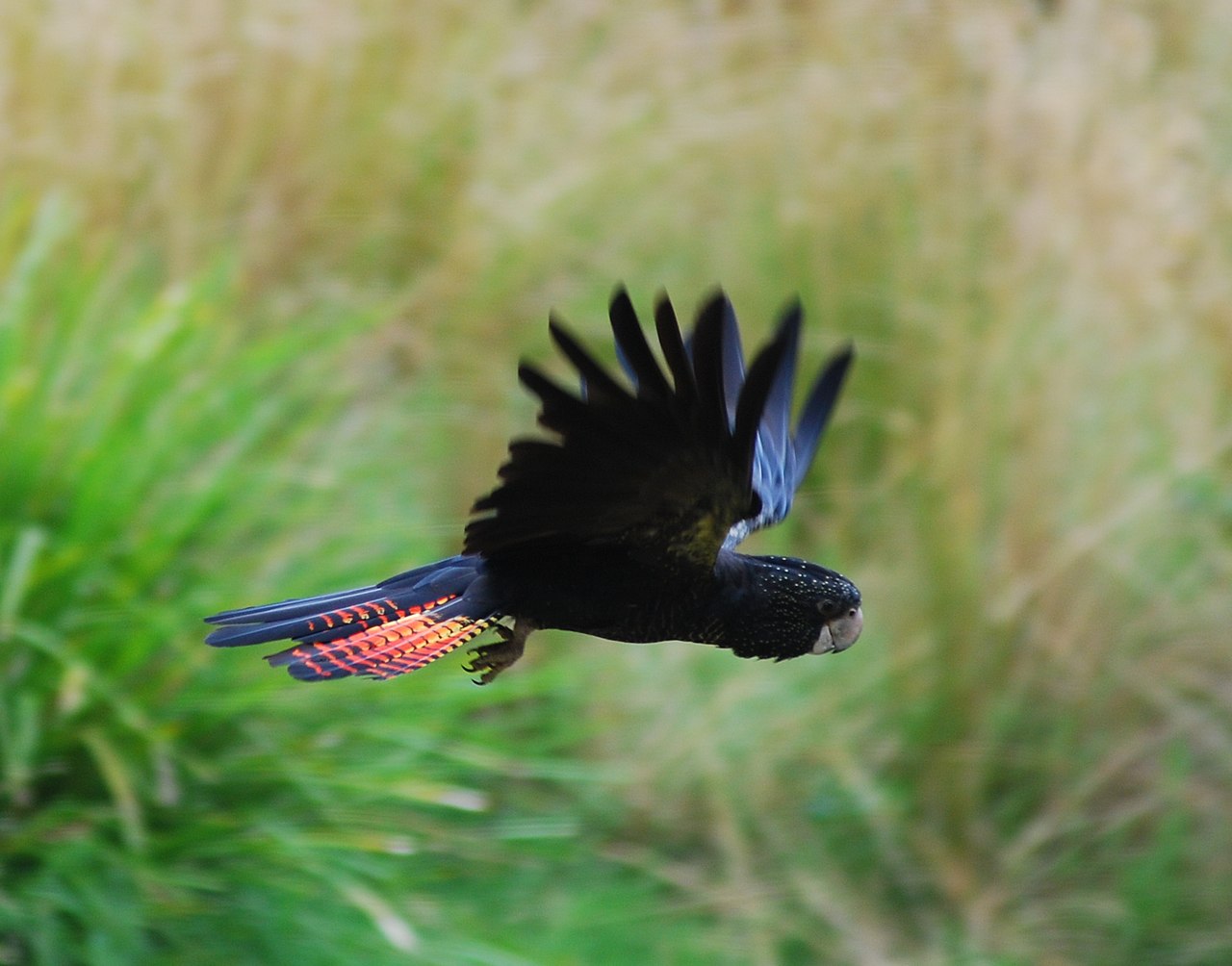
- Specialist aviaries and free-flight areas featuring over two hundred bird species and other native fauna; more on the sanctuary’s habitats is available at habitat information and the park setting is described at bush setting.
Visitor services and significance
Healesville Sanctuary offers guided tours, bird displays, educational programs and behind-the-scenes experiences intended to raise public awareness about Australia’s wildlife and conservation needs. The sanctuary is one of several institutions in the regional zoological network and complements other parks by focusing specifically on native species and breeding work. For wider institutional context see the nearby parks and comparative sites such as Sydney and for local comparisons consult Taronga Zoo resources. The sanctuary remains an important centre for hands-on conservation education and species recovery in Australia.
Questions and answers
Q: Where is Healesville Sanctuary located?
A: Healesville Sanctuary is located in Victoria, Australia.
Q: What types of animals are kept at Healesville Sanctuary?
A: Healesville Sanctuary only keeps animals that come from Australia.
Q: What is the history of breeding Australian animals at Healesville Sanctuary?
A: Healesville Sanctuary has a history of breeding Australian animals. In 1943, it became the first zoo to breed a platypus.
Q: Which other zoo has bred a platypus besides Healesville Sanctuary?
A: The only other zoo to have bred a platypus is Sydney's Taronga Zoo.
Q: What endangered animal does Healesville Sanctuary help by breeding?
A: Healesville Sanctuary helps by breeding the endangered Helmeted honeyeater.
Q: How many other zoos in Victoria run by Zoos Victoria exist besides Healesville Sanctuary?
A: There are two other zoos in Victoria run by Zoos Victoria: the Melbourne Zoo and the Werribee Open Range Zoo.
Q: What type of experience can visitors expect at Healesville Sanctuary?
A: Visitors can expect a natural bush setting with paths winding through different habitat areas with wallabies, wombats, dingoes, kangaroos, and over 200 Australian birds. There are also tours, bird shows, and information areas for visitors.
Related articles
Author
AlegsaOnline.com Healesville Sanctuary (Sir Colin MacKenzie Fauna Park) Leandro Alegsa
URL: https://en.alegsaonline.com/art/43056
Sources
- environment.gov.au : "Helmeted Honeyeater Recovery Plan 1999-2003"
- zoo.org.au : "History of the Sanctuary - Zoos Victoria"