
Hayden White: Historian, Literary Critic, and Theorist of Historical Narrative
Hayden White (1928–2018), American historian and literary critic, argued that historical writing is shaped by literary tropes and narrative "emplotment"; author of Metahistory and influential in historiography debates.
Overview
Hayden White was an American historian and literary critic best known for arguing that historical writing is not a simple reporting of facts but a form of narrative shaped by literary choices. His work challenged conventional notions of objectivity in historiography by emphasizing the role of language, metaphor, and plot in constructing historical meaning. The argument most widely associated with him appears in his influential book Metahistory: The Historical Imagination in Nineteenth-Century Europe.
Image gallery
2 Images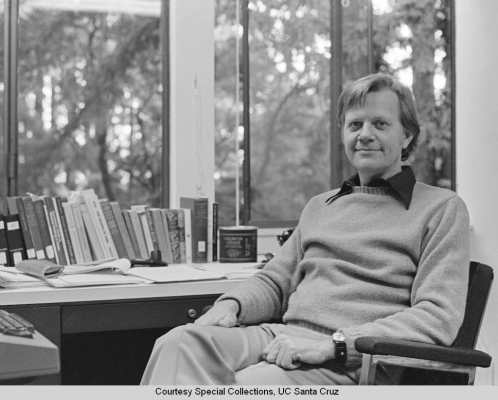

Key ideas
- Emplotment: White proposed that historians organize events into narrative types—such as tragedy, comedy, romance, or satire—thereby giving episodes a particular meaning and moral shape.
- Rhetorical tropes: He emphasized the use of literary tropes (e.g., metaphor, metonymy, synecdoche, irony) in historical explanation, arguing that these tropes influence how facts are represented and understood.
- Constructed narratives: Rather than seeing history as a transparent window onto the past, White described historical accounts as constructed texts that mediate between evidence and interpretation.
Career and major works
White taught in a variety of settings and concluded his career as University Professor Emeritus in the History of Consciousness department at the University of California, Santa Cruz. His best-known book, Metahistory, first appeared in the early 1970s and has been reissued and discussed in subsequent editions and collections. Besides that work, his essays on narrative, explanation, and the philosophy of history appeared in many collections and journals and remain central texts in debates about historical method. For introductions and bibliographic information see institutional or publisher pages such as publisher or archive listings.
Reception and influence
White's ideas provoked substantial debate. Supporters credit him with drawing productive attention to the literary dimensions of historical writing and helping to open historiography to interdisciplinary methods. Critics argued that his emphasis on narrative construction risked slide into relativism or underestimating the constraints imposed by evidence. Regardless, his work spurred historians, literary scholars, and philosophers to reexamine assumptions about representation, truth, and the narrative shaping of the past.
Why it matters
By foregrounding how stories are formed, White encouraged readers and practitioners to be more explicit about the choices that shape historical interpretation. His contributions continue to inform courses and debates in historiography, narrative theory, and the study of cultural memory. For an overview of his later positions and academic posts see institutional summaries such as departmental or university notices.
Related articles
Author
AlegsaOnline.com Hayden White: Historian, Literary Critic, and Theorist of Historical Narrative Leandro Alegsa
URL: https://en.alegsaonline.com/art/42962
Sources
- campusdirectory.ucsc.edu : "Campus Directory - UC Santa Cruz"