
Hattem — historic city and municipality in the eastern Netherlands
Hattem is a small historic city and municipality in Gelderland, eastern Netherlands. Known for its medieval city rights (1299), riverside setting on the IJssel and a compact preserved centre with cultural sites.
Overview
Hattem is a small city and municipality in the province of Gelderland in the eastern Netherlands. It occupies a compact riverside site on the IJssel and serves as a local centre for nearby villages and countryside. The town's scale and historical core make it distinct from larger urban centres in the region.
Image gallery
10 Images


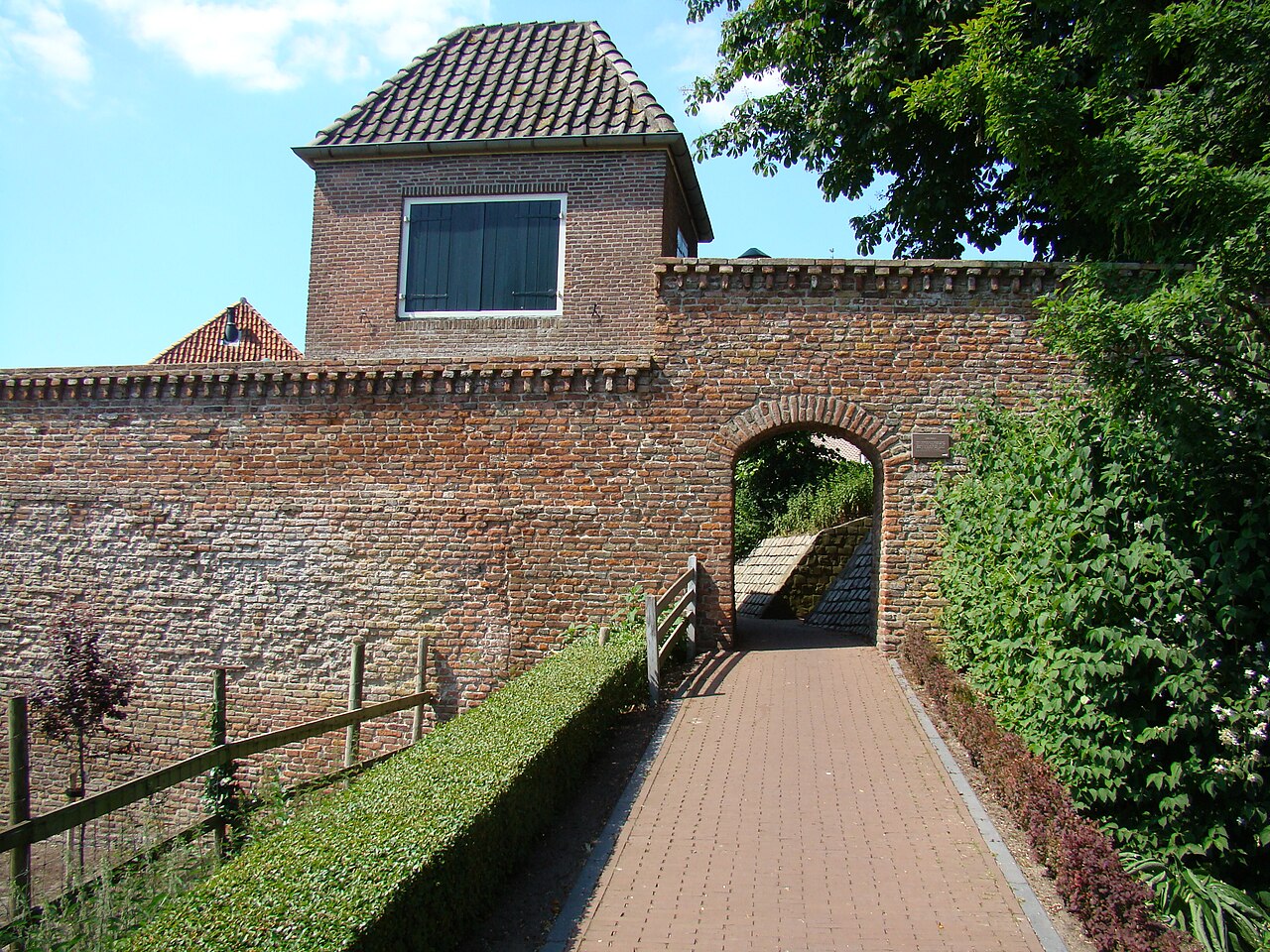


Characteristics and townscape
The city retains a clear medieval layout: a compact centre of narrow streets, traditional brick buildings and fragments of defensive works. Public spaces and a small market area are framed by civic and religious buildings. The riverside offers walking routes and views of river traffic, and the surrounding rural landscape contributes to Hattem's appeal for day visitors.
History
Hattem acquired formal city rights in 1299, a milestone that marked its development as a local administrative and market town; this date precedes the granting of similar rights to Amsterdam by roughly one year. The medieval period shaped the town’s street plan and a number of surviving structures; later centuries brought incremental growth while the centre stayed relatively well preserved.
Culture and attractions
Although modest in size, Hattem hosts museums, galleries and occasional cultural events that reflect local history and art. Visitors find small museums devoted to regional topics, craft and fine art, as well as annual markets and festivals. For those exploring the area, the town is often combined with trips to nearby cities and natural areas along the IJssel.
Administration and economy
The municipal government manages services for Hattem and its immediate surroundings. The local economy is mixed: public services, small-scale retail, tourism and agriculture in the surrounding countryside are all important. Hattem functions largely as a residential and cultural hub rather than an industrial centre.
Notable facts and distinctions
- Its early city rights (1299) are a central point in Hattem’s identity and local history; see the historical record here.
- Hattem lies on the eastern bank of the IJssel and is often visited for its scenic riverside and preserved urban core; more local information is available via regional resources here.
- The town is sometimes compared with nearby historic centres; for example, its municipal charter predates that of Amsterdam by about one year — a fact noted in broader historical summaries here.
Related articles
Author
AlegsaOnline.com Hattem — historic city and municipality in the eastern Netherlands Leandro Alegsa
URL: https://en.alegsaonline.com/art/42811