
Harry Potter and the Deathly Hallows – Part 2 (2011 film)
The 2011 cinematic finale to the Harry Potter series, directed by David Yates and adapted from J. K. Rowling's novel; it concludes the hunt for Horcruxes and the final battle at Hogwarts.
Harry Potter and the Deathly Hallows – Part 2 is the eighth and concluding film of the Harry Potter franchise. Released in 2011, it adapts the final section of the 2007 novel by J. K. Rowling and completes the story begun in Part 1. Directed by David Yates and written for screen by Steve Kloves, the film brings the long-running conflict between Harry Potter and Lord Voldemort to a cinematic close while resolving the Horcrux plotline and the mystery of the Deathly Hallows. Production aimed to deliver a sweeping, emotionally conclusive finale for a franchise that had spanned a decade.
Image gallery
3 Images

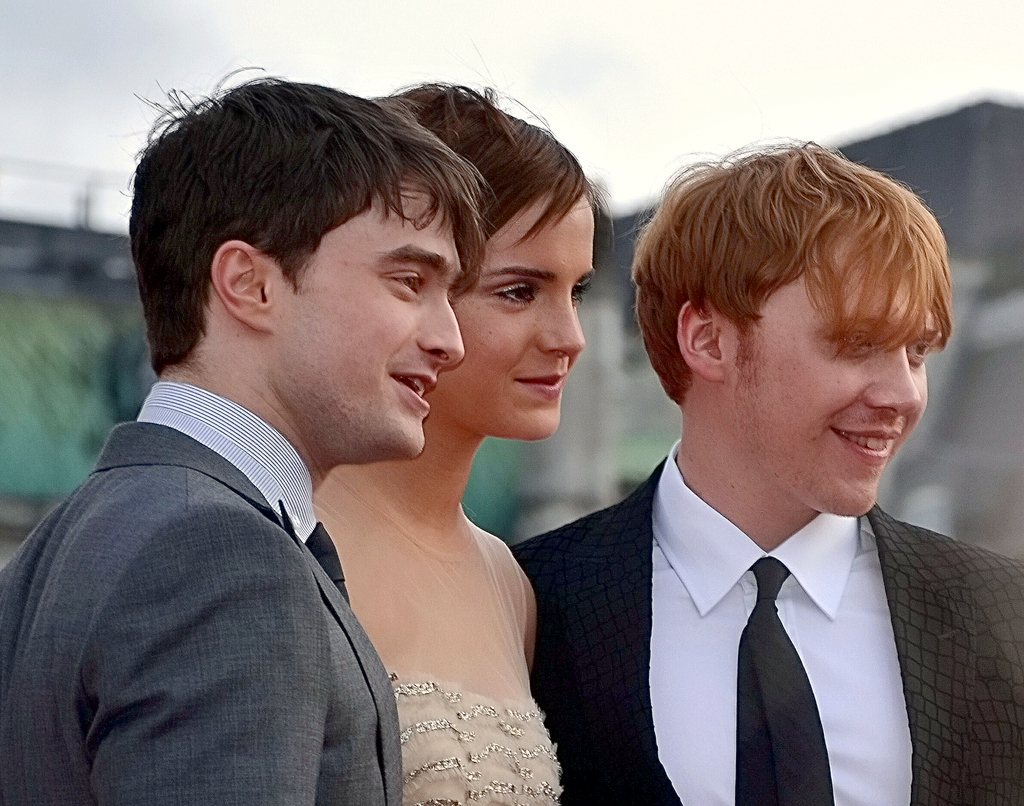
Plot focus and themes
The film follows the final leg of Harry's quest to locate and destroy fragments of Voldemort's soul hidden in Horcruxes. Much of the drama culminates at Hogwarts School of Witchcraft and Wizardry, where allies gather for a decisive confrontation. Themes include sacrifice, the burden of destiny, the cost of war, and the power of friendship and choice over fate. The narrative concentrates on character resolution and the moral consequences of power.
Production and adaptation choices
Splitting the last novel into two motion pictures allowed the filmmakers to devote time to character moments and the climactic battle sequences. The production emphasized large-scale set pieces, visual effects for magical combat, and practical locations to preserve the series' established aesthetic. The score, cinematography, and editing were shaped to heighten the emotional and epic tones appropriate to a final instalment.
Principal cast and creative team
- Director: David Yates
- Screenwriter: Steve Kloves
- Based on: the novel by J. K. Rowling
- Lead characters: the film reunites the series' principal actors and supporting ensemble for the concluding chapters of their arcs.
Reception and legacy
Critics and audiences generally praised the film for delivering a satisfying closure to a long-running saga, noting the emotional payoff and the scale of the final battle. It performed strongly at the box office and is often cited as one of the defining conclusions in contemporary fantasy cinema. Beyond commercial success, the film reinforced the cultural impact of the Harry Potter series and influenced subsequent franchise filmmaking approaches to concluding long narratives.
Notable facts include that the final book was adapted into two films to expand key scenes, and that the film resolves many long-standing plot threads while offering a clear end to the central rivalry. For more on the author and source material see J. K. Rowling and the original novel via the book's page. Background on the central characters appears at Harry Potter and the antagonist is profiled at Lord Voldemort.
Related articles
Author
AlegsaOnline.com Harry Potter and the Deathly Hallows – Part 2 (2011 film) Leandro Alegsa
URL: https://en.alegsaonline.com/art/42631