
Harry Potter (character)
Fictional protagonist of J. K. Rowling's Harry Potter novels: an orphaned wizard who attends Hogwarts, opposes Lord Voldemort, and became a global cultural figure in books, films and related media.
Overview
Harry James Potter is the central fictional character in the seven-book series created by J. K. Rowling. Introduced as an orphan who discovers on his eleventh birthday that he is a wizard, Harry is invited to train at the Hogwarts School of Witchcraft and Wizardry. The novels, commonly described as modern fantasy, follow his adolescence and the long conflict with the dark antagonist Lord Voldemort. Harry's story combines elements of boarding-school fiction, quest narrative and moral coming-of-age themes.
Image gallery
4 Images

Character and traits
Harry is typically portrayed as brave, loyal and resilient but also impulsive and compassionate. He bears a lightning-shaped scar on his forehead, a lasting consequence of an attack that killed his parents, who were themselves magical. He forms deep friendships and shows a strong sense of justice, qualities that shape his leadership and decisions throughout the series. Physically he is described as dark-haired and of ordinary stature; much of his distinctiveness comes from his history and choices rather than innate superiority.
Backstory and development
In the narrative, Harry's parents, Lily and James, are killed when he is a baby by a powerful dark wizard. The assassination attempt leaves Harry alive but famous throughout the magical community because the attacking curse appears to fail. The books trace Harry's gradual learning, friendships, and the revelation that his fate is entwined with Voldemort's—an entwining that shapes prophecies, alliances and moral dilemmas. Rowling has said elements of Harry's origin were influenced by personal experiences and that the idea came to her in 1990 on a train journey.
Role in the series and examples
Across seven volumes, Harry's role evolves from an inexperienced student to a leader in a wider resistance. Major plot elements include his education at Hogwarts, the discovery of family history, encounters with magical objects and creatures, and multiple confrontations with Voldemort and followers. The series uses magical-school episodes and large-scale battles to explore themes such as sacrifice, love, prejudice and the costs of power.
Cultural impact and portrayals
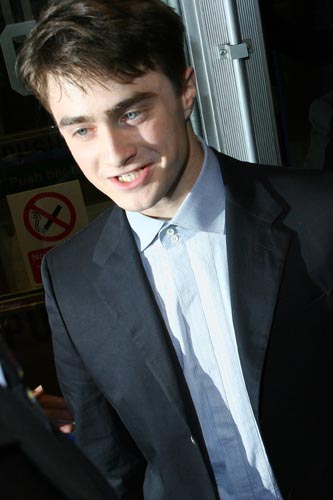
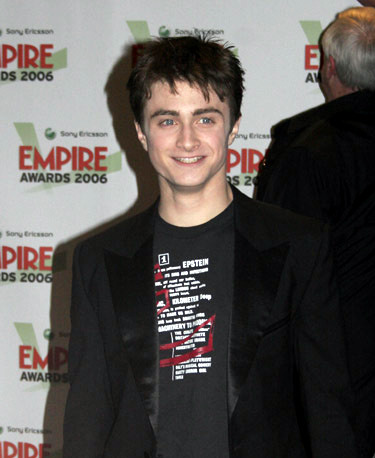
Beyond the books, Harry Potter became a global cultural phenomenon. The character has been portrayed on screen in a successful film franchise and remains central to adaptations, merchandise and fan culture. Actors, stage productions and scholarly discussion have examined the character's moral choices, symbolic role and popularity among readers of different ages. Scholarly and popular commentary often notes how the character's ordinary background and ethical integrity contributed to broad identification.
Notable aspects and distinctions
- The character functions as both an individual hero and a focal point for an ensemble cast.
- Harry's fame within the fictional world contrasts with his private struggles and vulnerabilities.
- His story mixes elements of prophecy, mentorship and the struggle against ideological extremism.
For further reading or authoritative sources, see works on the Harry Potter series, analyses of fantasy literature and biographies of J. K. Rowling. Discussions about the character also appear in media studies of the films and in critical essays about modern mythmaking and youth literature; relevant introductions and summaries may be found via library catalogs and academic overviews on orphanhood in fiction and studies of wizarding traditions. For context about antagonists and moral framing, see resources on Lord Voldemort and the depiction of evil in children's fantasy, and texts on destiny and choice linked to prophetic themes. Additional background about magical lineage and family influences appears in analyses of magical families.
Questions and answers
Q: Who is Harry James Potter?
A: Harry James Potter is the protagonist in J. K. Rowling's Harry Potter fantasy series.
Q: On which birthday did Harry learn that he is a wizard?
A: Harry learned that he is a wizard on his 11th birthday.
Q: Who were Harry's parents?
A: Harry's parents were magical parents named Lily and James Potter.
Q: Where did Harry go to learn magic?
A: Harry went to Hogwarts School of Witchcraft and Wizardry to learn magic.
Q: Why was Harry famous in the world of wizards?
A: Harry was already famous in the world of wizards because of his connection to Lord Voldemort.
Q: Who was Lord Voldemort?
A: Lord Voldemort was an evil wizard who killed Harry's parents.
Q: What is the origin story of Harry Potter as described by J.K. Rowling?
A: J.K. Rowling said that the idea for the Harry Potter character came to her while riding on a train from Manchester to London in 1990. She decided to make him an orphan after the death of her mother.
Related articles
Author
AlegsaOnline.com Harry Potter (character) Leandro Alegsa
URL: https://en.alegsaonline.com/art/42638
Sources
- bucklol.com : "Hindi Medium Movie Review"
- jkrowling.com : jkrowling.com
- accio-quote.org : ""Carey, Joanna. "Who hasn't met Harry?" Guardian Unlimited, February 16, 1999""
- accio-quote.org : "JK (JOANNE KATHLEEN) ROWLING (1966-), Guardian Unlimited"
- accio-quote.org : ""Raincoast Books interview transcript, Raincoast Books (Canada), March 2001.""
- accio-quote.org : ""J.K. Rowling on The Diane Rehm Show, WAMU Radio Washington, D.C., October 20, 1999""
- accio-quote.org : ""Lydon, Christopher. J.K. Rowling interview transcript, The Connection (WBUR Radio), 12 October, 1999""
- accio-quote.org : ""Jensen, Jeff. "'Fire' Storm," Entertainment Weekly, September 7, 2000""
- accio-quote.org : ""Living With Harry Potter"" · webcitation.org
- quick-quote-quill.org : quick-quote-quill.org/articles/2004/0304-wbd.htm
- accio-quote.org : ""Richard & Judy Show""
- accio-quote.org : ""Grossman, Lev. "J.K. Rowling Hogwarts And All," Time Magazine, 17 July, 2005""
- accio-quote.org : ""Couric, Katie.: 'J.K. Rowling, the author with the magic touch: 'It's going to be really emotional to say goodbye,' says Rowling as she writes the last book in the Harry Potter saga,' Dateline NBC, 17 July 2005""
- bloomsbury.com : ""'J.K. Rowling Web Chat Transcript""