
Harlem Shake (2013 Internet meme)
A 2013 online video meme centered on Baauer’s track “Harlem Shake,” featuring a short, staged scene that explodes into chaotic group dancing when the beat drops.
Overview
The Harlem Shake is an Internet meme that rose to global prominence in early 2013. It typically consists of a short, highly choreographed clip set to the song "Harlem Shake" by electronic producer Baauer. Individual videos follow a simple joke structure: a single person dances alone while others appear oblivious, and then—when the song’s bass drops—the scene cuts to everyone dancing wildly. The meme spread rapidly across social media and video platforms, spawning thousands of amateur and staged variations.
Image gallery
4 Images


Typical format and characteristics
Most Harlem Shake videos are brief, often around 30 seconds, and use a similar editing pattern. Common features include:
- A recognizable intro: one person dancing in a small area while others ignore them.
- A transition at the beat drop that replaces the initial scene with the full group.
- Absurd costumes, props, and exaggerated movements—masks, inflatables, office equipment, sports gear, or costumes are frequent choices.
- Rapid cuts, a single continuous audio clip, and a strong emphasis on visual surprise rather than intricate choreography.
Origins and early development
The meme is associated with a short clip posted by an online creator known as Filthy Frank, which used Baauer’s track as its soundtrack. The combination of that clip and the song was imitated and remixed by many users, turning the pattern into a viral template. Although the track’s title references a dance historically associated with Harlem, the meme’s movement style and presentation are a distinct, Internet-era phenomenon rather than a faithful revival of the original street dance.
Cultural impact and examples
The Harlem Shake became a platform for playful creativity: students, office workers, sports teams, and entire organizations produced versions for entertainment or publicity. The meme helped raise awareness of Baauer’s track and substantially increased streaming and sharing of the song. News outlets and broadcasters covered notable versions, and compilations of the best clips circulated widely. For many producers the appeal lay in quick, low-budget production and the social reward of being part of a trending activity.
Reception, criticism, and distinctions
Reactions to the meme were mixed. Fans praised its humor and accessibility, while critics pointed to overuse, lack of originality, and occasional unsafe or disruptive versions. Some commentators also noted a cultural mismatch between the meme and the historical Harlem Shake dance that originated decades earlier; scholars and community members sometimes expressed concern about the misappropriation or misunderstanding of cultural terms. Comparisons were drawn between the Harlem Shake’s rapid viral spread and earlier global Internet phenomena such as Gangnam Style, though the two phenomena differed in form and scale.
Further reading and resources
To explore the meme’s origins and typical examples, readers can consult catalogues of early clips and commentary on video platforms. A general introduction to the topic is available at an Internet meme overview, and the original video that inspired many imitations remains a reference point in discussions of the trend. For context about the platforms that hosted the meme, see information about YouTube and its role in viral culture. Discussions of the dance moves themselves and common costume motifs often reference a generic dance vocabulary, while commentary on visual tropes such as face coverings appears alongside mentions of a typical mask used in some clips.
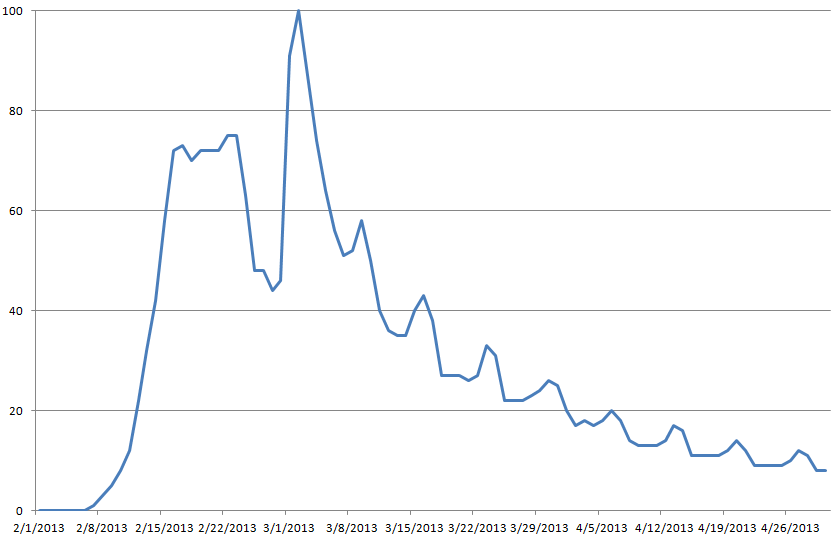
The Harlem Shake demonstrates how a brief, repeatable template can catalyze widespread participation online. Its lifecycle—from spontaneous clip to global trend—illustrates common dynamics of meme culture: imitation, variation, parody, and eventual decline as attention shifts to new phenomena.
Related articles
Author
AlegsaOnline.com Harlem Shake (2013 Internet meme) Leandro Alegsa
URL: https://en.alegsaonline.com/art/42471
Sources
- cbsnews.com : ""The Harlem Shake" phenomenon keeps going strong (with grandmas and military)"
- insidehoops.com : Inside Hoops
- dailymail.co.uk : "Is this the new Gangnam Style? New dance craze Harlem Shake spreads across Internet"
- sports.yahoo.com : "Baseball teams get in on 'Harlem Shake' craze"