
Viral video
A viral video is a short film or clip that spreads rapidly online through social sharing, often generating millions of views and cultural impact; it can be organic or engineered for marketing or activism.
Overview
A viral video is a video clip that gains rapid popularity by being repeatedly shared across the internet. These videos typically travel through social networks, messaging, email and dedicated platforms, reaching large audiences in a short time.
Image gallery
2 Images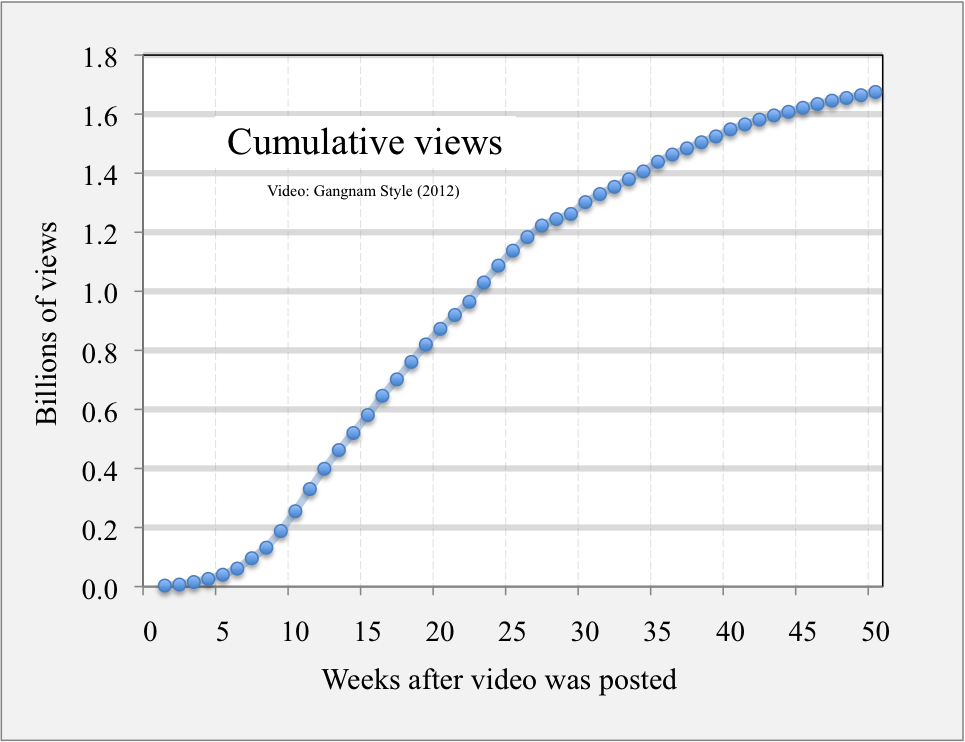

Common characteristics
While viral videos vary widely, many share traits that encourage sharing: brevity, a clear emotional hook (humor, surprise, awe, outrage), easy quotability or remixing, and a format suited to mobile viewing. Platform algorithms and timing can amplify a clip once it begins to gather attention.
How they spread
Distribution usually relies on person-to-person transmission and platform features that surface trending content. Internet sharing mechanics, recommendation systems and prominent placement on video hosting or social apps help turn a single upload into widespread phenomenon.
Uses and cultural importance
- Entertainment and meme creation, which shape online culture.
- Marketing and brand campaigns that aim to provoke organic sharing.
- Activism and journalism, where short clips can document events and mobilize audiences.
Some viral videos remain ephemeral curiosities; others produce lasting cultural effects, launch careers, or prompt policy debates about moderation, misinformation and monetization. Distinctions include organic virality versus engineered or paid amplification, and short-term attention versus long-term influence.
Related articles
Author
AlegsaOnline.com Viral video Leandro Alegsa
URL: https://en.alegsaonline.com/art/105501