
Harari Region: Ethiopia’s historic enclave and cultural homeland
Harari Region is a small, eastern Ethiopian regional state centered on the walled city of Harar. It is the traditional homeland of the Harari people and notable for its architecture, culture and historic trade role.
Harari Region is a compact regional state in eastern Ethiopia centered on the historic city of Harar. Often described as the homeland of the Harari people, the region combines a dense urban core with surrounding rural territory and is administratively distinct within Ethiopia. Visitors and scholars prize it for its well-preserved historic quarter and enduring cultural traditions.
Image gallery
2 Images
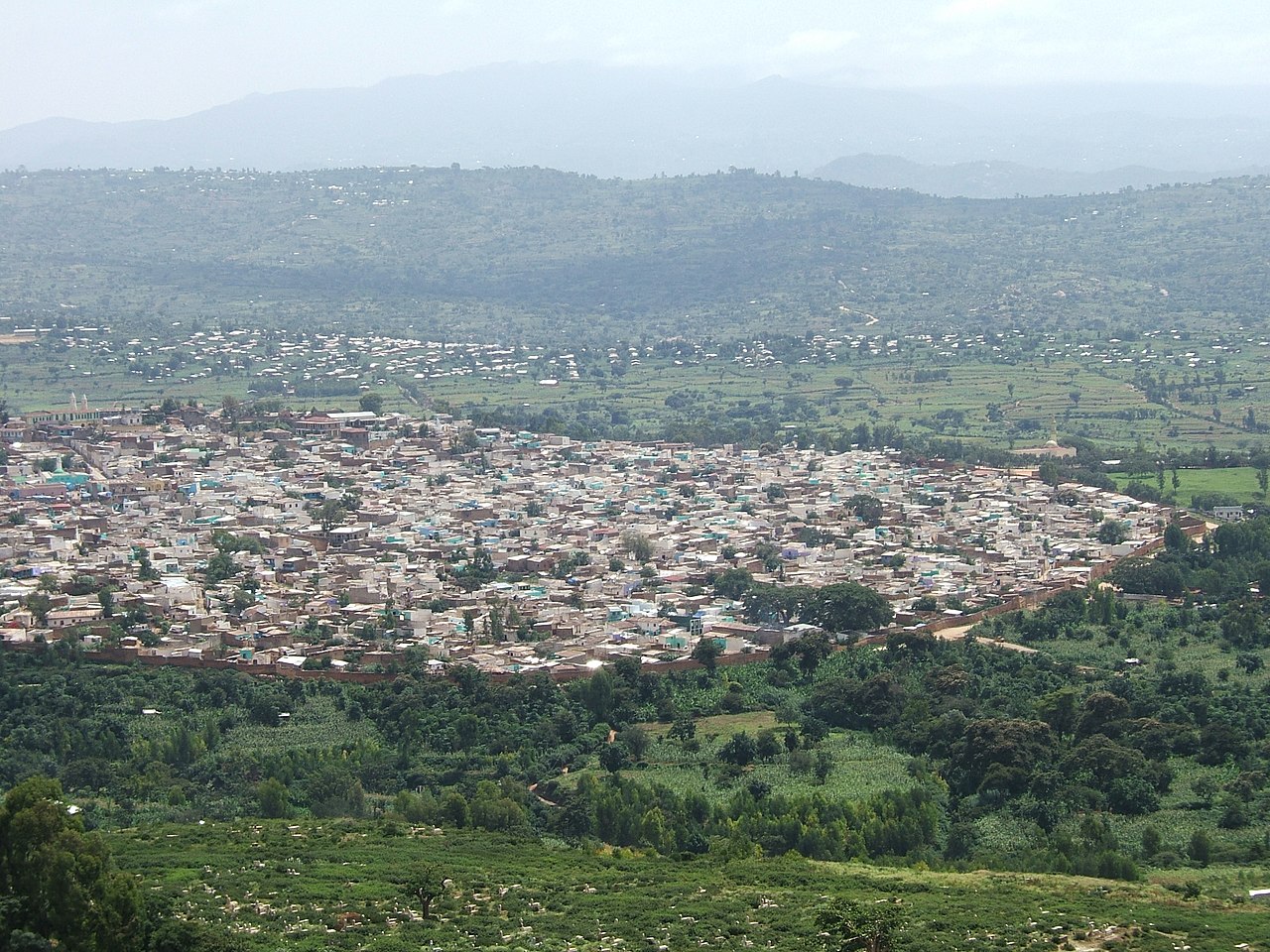
Geography and administration
The region is one of Ethiopia’s federal states and is among the smallest by land area. Its administrative capital is Harar, a compact highland town famed for its labyrinthine alleys and cluster of domestic compounds. The modern regional government manages local services, cultural preservation and interregional relations with surrounding areas.
History and development
Harar has a long urban history as a commercial and religious centre in the Horn of Africa. It was an important medieval trading hub and later the seat of a local polity before incorporation into the Ethiopian empire in the late 19th century. The old town—often called Jugol—retains city walls, mosques and shrines that reflect centuries of Islamic learning and trade links with the Red Sea and Indian Ocean worlds.
Culture, economy and notable features
- The Harari people speak the Harari language, a member of the Ethiopian Semitic family, and maintain distinctive architectural and domestic styles.
- Harar’s historic quarter is recognized for its cultural value and attracts tourism for its markets, religious sites and unique customs, such as traditional coffee varieties and known local practices like nighttime hyena feeding on the town’s edges.
- The local economy blends small-scale trade, crafts, agriculture in surrounding areas and services related to heritage tourism.
For more on administrative details and local institutions, see regional profiles and guides to Harari Region. The area remains an important living example of urban African Islamic culture and a focal point for studies of Ethiopian history, language and architecture.
Related articles
Author
AlegsaOnline.com Harari Region: Ethiopia’s historic enclave and cultural homeland Leandro Alegsa
URL: https://en.alegsaonline.com/art/42373
Sources
- csa.gov.et : 2011 National Statistics
- tools.wmflabs.org : 9°18′40″N 42°07′26″E / 9.3109946°N 42.1238136°E / 9.3109946; 42.1238136