
Hanamaki, Iwate — city in northeastern Japan, birthplace of Kenji Miyazawa
Hanamaki in Iwate Prefecture, northeastern Japan, is the birthplace of poet Kenji Miyazawa. The city offers literary museums, parks, hot springs, rail and air links, and serves as a gateway to regional countryside.
Overview
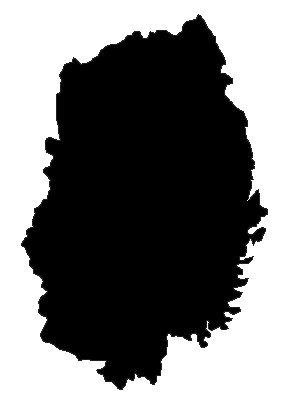
Hanamaki is a city in Iwate Prefecture, located in the Tōhoku region of northeastern Japan. It is widely known as the birthplace of the poet and writer Kenji Miyazawa, and his life and work have influenced the city's cultural identity and tourism. The urban area is set among river valleys, agricultural plains and low mountains, offering a mix of rural scenery and civic facilities.
Image gallery
6 Images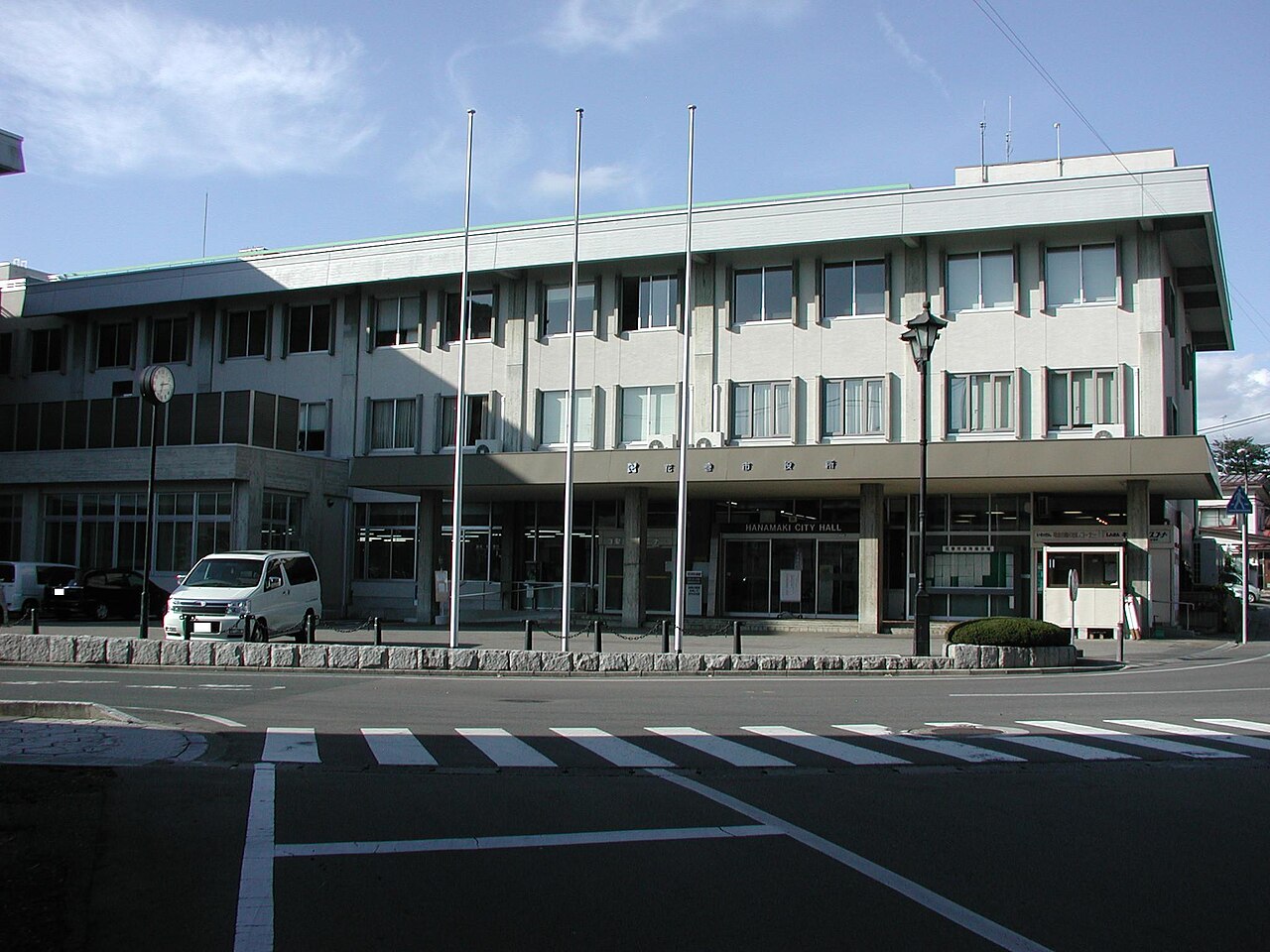



Geography and climate
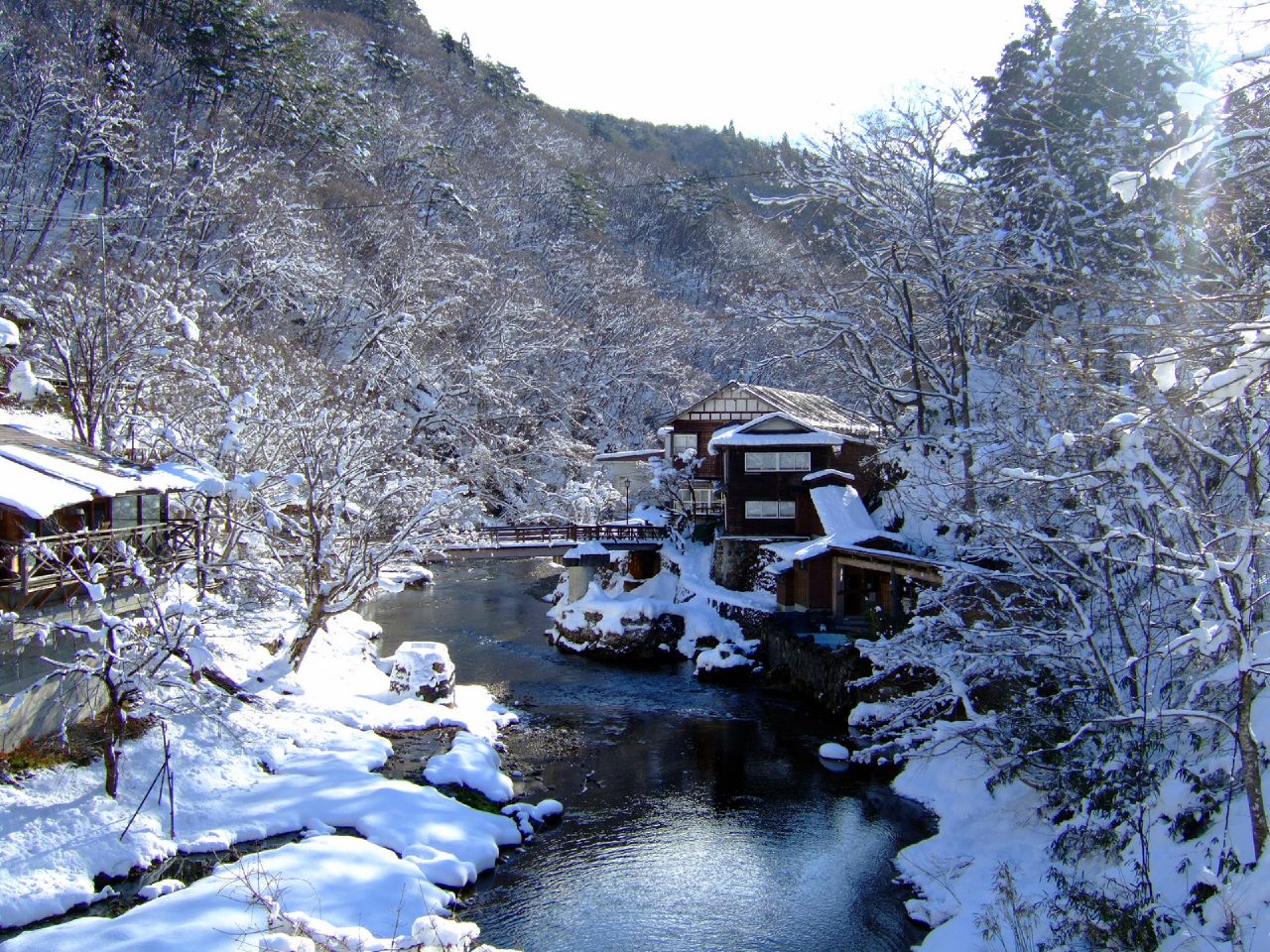
Hanamaki lies inland on Honshu and experiences a temperate climate with four distinct seasons. Winters are cold with snowfall in many years, while summers are warm and humid. The surrounding landscape includes farming areas and forested hills that support outdoor recreation and seasonal activities such as hiking and autumn foliage viewing.
History and cultural heritage
The modern municipality developed through the merger of smaller towns and villages over the 19th and 20th centuries, following patterns common in regional Japan. Its cultural prominence stems largely from its association with Kenji Miyazawa (a poet, teacher and agronomist whose writings are part of Japan's modern literary canon). Hanamaki preserves several sites connected to his life and the rural traditions that appear in his work.
Kenji Miyazawa and literary tourism
Kenji Miyazawa's legacy is central to Hanamaki's identity: museums, memorial houses, public artworks and walking routes interpret his poems and stories for visitors. Institutions in the city present exhibitions on his life, manuscripts and local folklore, while annual events and guided trails allow visitors to explore the landscapes that inspired his writing.
Attractions and recreation
Visitors to Hanamaki can find a range of attractions that combine cultural, natural and recreational interests. These include museums and memorials devoted to local history and literature, public parks and sculptural works, community festivals celebrating seasonal produce and crafts, and nearby hot-spring resorts (onsen) popular with both local and regional tourists.
- Kenji Miyazawa-related museums and memorial sites
- Public parks, gardens and literary walking trails
- Seasonal festivals and markets featuring regional food and arts
- Hot springs and traditional inns in the surrounding area
Transport and economy
Hanamaki is connected to the wider Tōhoku region by rail and road. Shin-Hanamaki Station on the Shinkansen network provides high-speed rail access, and the area is also served by a regional airport that links to larger Japanese cities, making Hanamaki accessible for both domestic and international visitors. The local economy combines agriculture and food production with light industry, services and a growing cultural-tourism sector tied to the city's literary heritage.
Practical information and location
Hanamaki is a base for exploring northeastern Iwate, offering a mix of cultural attractions and outdoor opportunities within a compact area. For reference, the city's coordinates are given at 39°23′19″N 141°07′00.9″E (39.38861°N, 141.116917°E). Visitors planning a trip typically combine museum visits, local cuisine and hot-spring stays with excursions into nearby countryside.
Further reading and visiting
Those interested in modern Japanese literature, rural culture or seasonal nature experiences will find Hanamaki rewarding. Local tourism offices and museum websites provide up-to-date information on events, exhibitions and access. The city's blend of literary commemoration, natural scenery and regional hospitality makes it a distinctive destination in Iwate Prefecture.
Related articles
Author
AlegsaOnline.com Hanamaki, Iwate — city in northeastern Japan, birthplace of Kenji Miyazawa Leandro Alegsa
URL: https://en.alegsaonline.com/art/42143