
Hancock, Iowa — small city profile and community overview
A concise encyclopedia-style profile of Hancock, a small incorporated city in the U.S. state of Iowa, covering its character, likely origins, economy, civic life, and local distinctions.
Hancock is a small incorporated city in the U.S. state of Iowa. Like many small Midwestern municipalities, it functions as a local center for nearby farms and rural residences. Its scale, built environment and community institutions reflect the patterns of settlement and rural development typical of Iowa towns.
Image gallery
4 Images

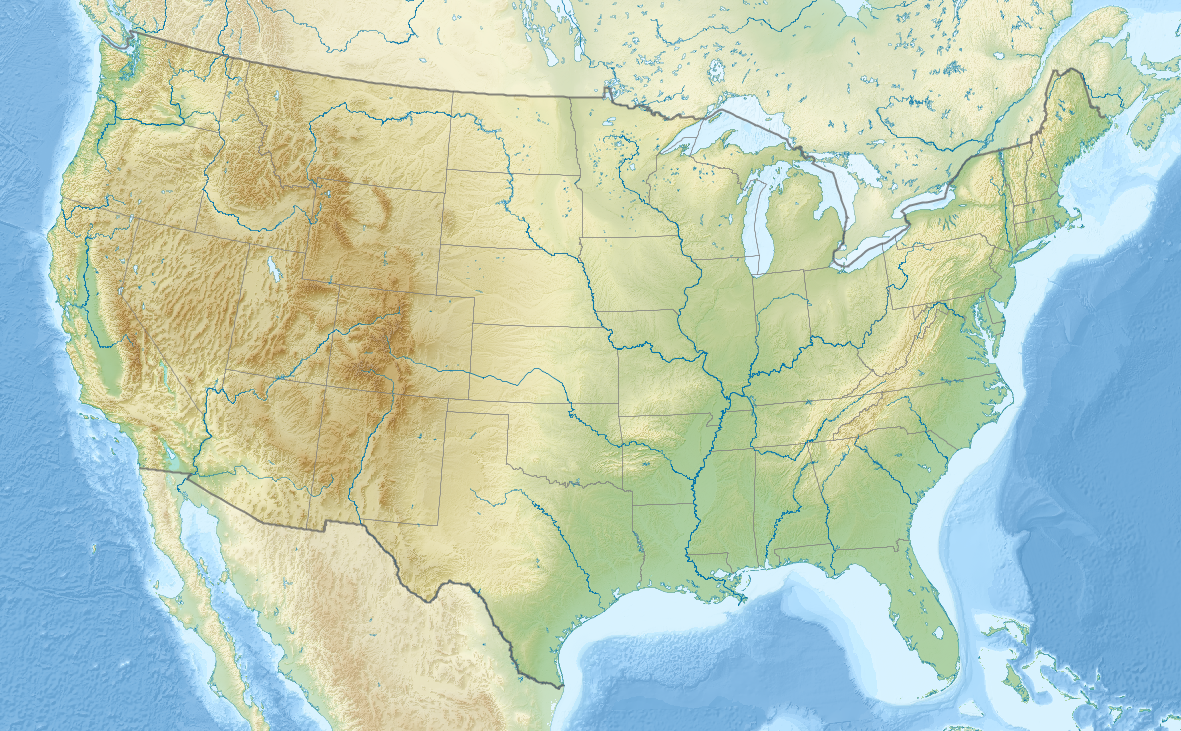
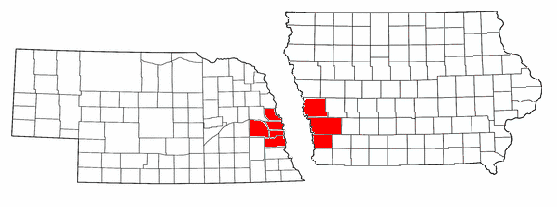
Characteristics and landscape
The city is characterized by a compact downtown or main street, residential blocks, and surrounding agricultural land. Land use is dominated by crop fields and pasture in the broader area, while the settled area contains municipal buildings, churches, small businesses and civic amenities. Transportation links commonly include county roads and nearby highways that connect residents to regional markets and services.
History and origins
Hancock’s roots are tied to nineteenth-century settlement of the American Midwest. Many Iowa communities were established during that period as settlers moved westward, farms were parceled out, and transportation—especially railroads and later roads—shaped town sites. The place-name "Hancock" is shared by several U.S. localities and may reflect a surname used by early settlers or national figures, a common naming practice of the era.
Economy and community life
The local economy is typically based on agriculture and services that support farming families. Small retailers, service businesses, schools, volunteer fire departments and churches form the backbone of community life. Annual events, local clubs and school sports often serve as social focal points, sustaining civic identity in a small-town setting.
Government and services
Municipal government in towns of this size usually operates under an elected council or mayor-council arrangement and provides basic services such as road maintenance, water, and public safety in cooperation with county agencies. Educational needs are normally met by a nearby school district rather than a large local system.
Further information and context
- Official municipal resources and local notices: Hancock city page.
- State-level information on community services and rural development: Iowa state resources.
- Federal data, mapping and statistics for towns and counties: United States government resources.
For readers seeking specifics such as founding dates, population figures or local ordinances, municipal records, county archives and state historical collections are the best primary sources. Local libraries and historical societies often preserve photographs, maps and oral histories that illuminate the town’s development.
Related articles
Author
AlegsaOnline.com Hancock, Iowa — small city profile and community overview Leandro Alegsa
URL: https://en.alegsaonline.com/art/42160