
Hampshire County, West Virginia
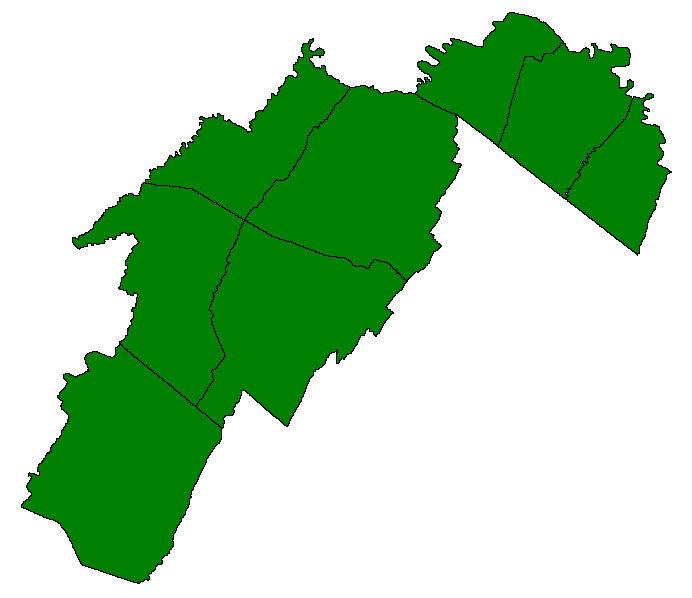
Rural county in the Eastern Panhandle of West Virginia, with historic towns, agricultural lands, outdoor recreation and Romney as its county seat. Population was 23,964 at the 2010 census.
Hampshire County is a predominantly rural county in the eastern part of the United States. It lies within the U.S. state region commonly associated with the Appalachian foothills and is one of the counties of West Virginia. The landscape combines river valleys, ridgelines and small towns; agriculture, forestry and outdoor recreation shape much of the local economy.
Image gallery
9 Images




Geography and character
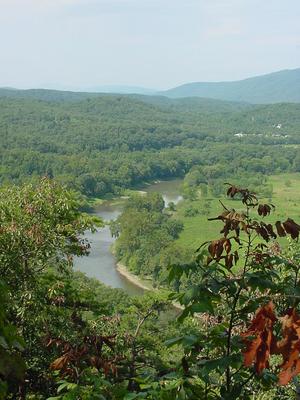
The county occupies portions of valleys drained by tributaries of the Potomac and features mixed hardwood forests and farmland. Roads follow historic corridors between communities rather than dense urban grids, and population centers are small. The county experience is typical of many Appalachian counties: scenic countryside, seasonal tourism, and a largely dispersed settlement pattern.
History
Created in the mid-18th century, Hampshire County has roots in the colonial era and later became part of the new state of West Virginia during the American Civil War period when that state separated from Virginia. Its historical record includes frontier settlement, nineteenth-century agriculture, and sites connected with Civil War-era activity.
Government and population
The county seat is Romney, a small town that is often cited among the oldest incorporated communities in the state. According to the 2010 census, Hampshire County had a population of 23,964. Local government provides typical county services, and small municipal governments administer village and town affairs.
Economy, culture and recreation
Economic activity centers on farming, small-scale manufacturing, local services and recreation-based tourism. Residents and visitors alike use the county for hiking, fishing, hunting and visiting historic sites. Seasonal festivals, county fairs and historical societies contribute to community life.
Notable facts and distinctions
- One of the earliest counties established in the region during colonial times.
- Characterized by a mix of historic towns, rural landscapes and outdoor attractions.
- Romney serves as the judicial and administrative center.
For further information on local facilities, parks and historic sites, consult county resources and regional guides, or contact local visitor bureaus and historical organizations.
Related articles
Author
AlegsaOnline.com Hampshire County, West Virginia Leandro Alegsa
URL: https://en.alegsaonline.com/art/42106
Sources
- factfinder2.census.gov : "American FactFinder"