
Hampden Park: Scotland’s National Football Stadium in Glasgow
Hampden Park is Scotland’s national stadium in Glasgow, home to Queen’s Park FC and the Scottish national team, and a venue for major sporting events, concerts, and historic matches.
Overview
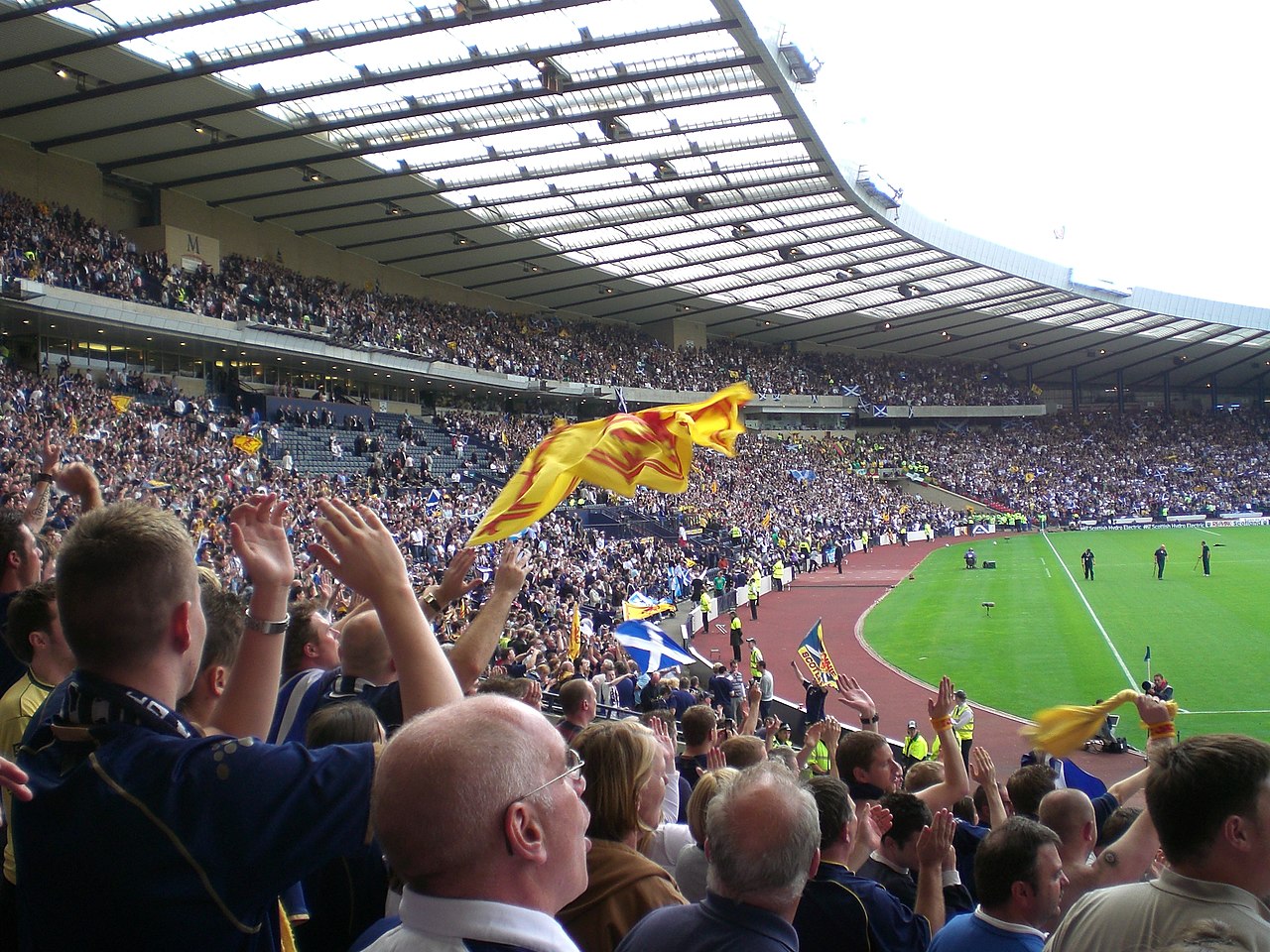
Hampden Park in Glasgow is recognised as Scotland’s principal national football stadium and one of the most famous football grounds in the world. It serves as the regular venue for the Scotland national team and is the historic home ground of Queen’s Park F.C.. Beyond club and international football, Hampden stages major domestic cup finals, international fixtures, large-scale concerts and multi-sport events.
Image gallery
10 Images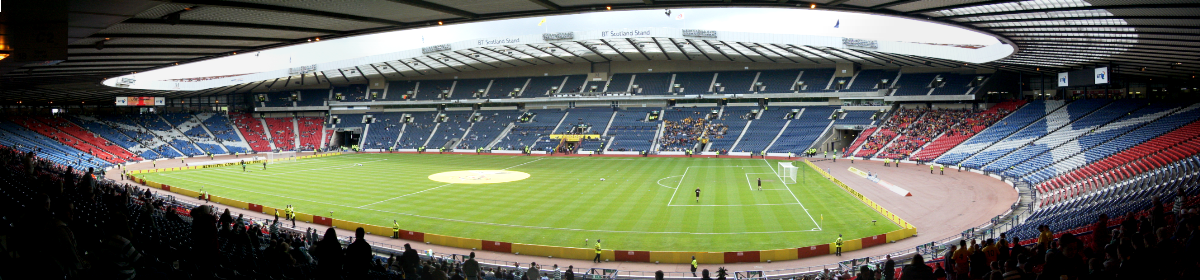






History and development
The current Hampden Park dates from the early 20th century and replaced earlier sites used by the original club and local teams. Although the venue built in 1903 has been substantially rebuilt and modernised, its continuous use for high‑profile football stretches back more than a century. The ground celebrated a formal centenary on 31 October 2003, reflecting its longstanding place in Scottish sporting life. In mid‑20th century decades the stadium attracted enormous crowds, with record attendances that underlined its status as a national meeting place for major games.
Structure, capacity and features
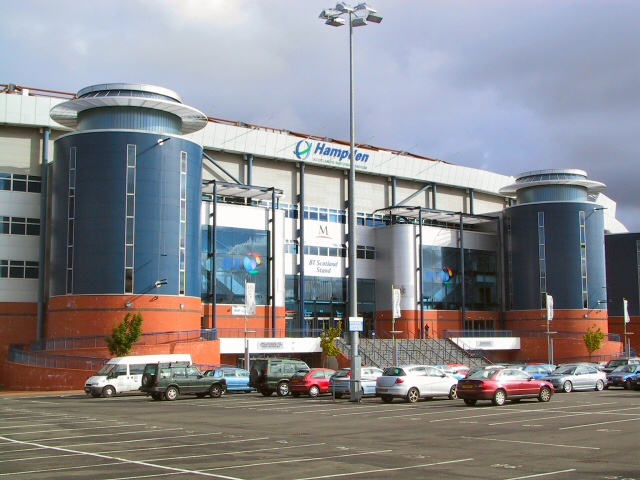
Hampden’s configuration is a bowl-shaped, all-seater stadium with sightlines designed for football. Modern renovations have improved spectator facilities, hospitality areas and media accommodation while preserving the arena’s open-bowl character. The venue also houses administrative offices for the national governing bodies of the sport, including the Scottish Football Association and the Scottish Professional Football League, linking matchday activity with the sport’s national administration.
Uses and notable events
The stadium’s primary function is football. It has hosted domestic cup finals, international qualifiers and friendlies, and prestigious club competitions such as finals in the European Cup era and knockout rounds in UEFA competitions, including the UEFA Champions League and the UEFA Cup. During the 2012 Olympic Games, Hampden was used for early-stage Olympic football matches and was adapted temporarily to meet tournament requirements. It was a central venue for the 2014 Commonwealth Games, accommodating athletics after an innovative temporary conversion that included a running track and reconfigured seating.
Events beyond sport
- Large-scale music concerts and cultural events make regular use of the stadium’s capacity and transport links.
- Community and corporate functions benefit from the venue’s conference and hospitality spaces.
- Temporary modifications have allowed the ground to host athletics and multi-sport competitions without permanently altering its football orientation.
Significance and notable facts
Hampden Park occupies a distinctive place in Britain’s sporting geography. It combines a deep historical identity with periodic reinvention to meet contemporary safety, broadcasting and spectator needs. The ground has been recognised as a key stage for Scottish sport since the early 1900s and continues to be a focal point for national team fixtures, club milestones and international events. Important dates in its modern legacy include its centenary celebrations and the city’s successful bid announcement for major games on 9 November 2007. For visitors and supporters the stadium remains synonymous with the tradition and spectacle of football in Scotland.
Whether regarded as a venue for historic matches, a site for administrative headquarters, or a flexible arena for international sport and entertainment, Hampden Park endures as an essential part of Glasgow’s civic and sporting identity.
Questions and answers
Q: What is Hampden Park?
A: Hampden Park is Scotland's national football stadium located in Glasgow.
Q: What is the primary use of Hampden Park?
A: The primary use of Hampden Park is as the home of Queen's Park F.C. and the Scotland national football team.
Q: When was Hampden Park built?
A: Hampden Park was built in 1903.
Q: What other events has it hosted?
A: In addition to being a football stadium, Hampden has also hosted pop concerts and other sporting events such as the finals of the European Cup (now UEFA Champions League) and UEFA Cup, as well as matches during the early stages of the Olympic Football Tournament and athletics during the 2014 Commonwealth Games.
Q: Where are Scottish Football Association and Scottish Professional Football League offices located?
A: The offices of both Scottish Football Association and Scottish Professional Football League are located within Hampden Stadium.
Q: When did Glasgow host its first Commonwealth Games?
A: Glasgow hosted its first Commonwealth Games in 2014 with key events taking place at Hampden Stadium.
Q: When did Glasgow get announced as host city for 2014 Commonwealth Games? A:Glasgow got announced as host city for 2014 Commonwealth Games on 9 November 2007.
Related articles
Author
AlegsaOnline.com Hampden Park: Scotland’s National Football Stadium in Glasgow Leandro Alegsa
URL: https://en.alegsaonline.com/art/42102