
Günter Grass: German novelist, artist and Nobel laureate
Overview of Günter Grass (1927–2015), his major works including The Tin Drum, themes, controversies and cultural influence as a leading postwar German writer and public intellectual.
Günter Grass (16 October 1927 – 13 April 2015) was a prominent German novelist, poet, playwright and visual artist whose work helped define post‑World War II German literature. Born in the Free City of Danzig (Danzig), a city now known as Gdańsk in Poland, Grass later died in Lübeck. He received the Nobel Prize in Literature in 1999 and is best known internationally for his breakthrough novel The Tin Drum.
Image gallery
9 Images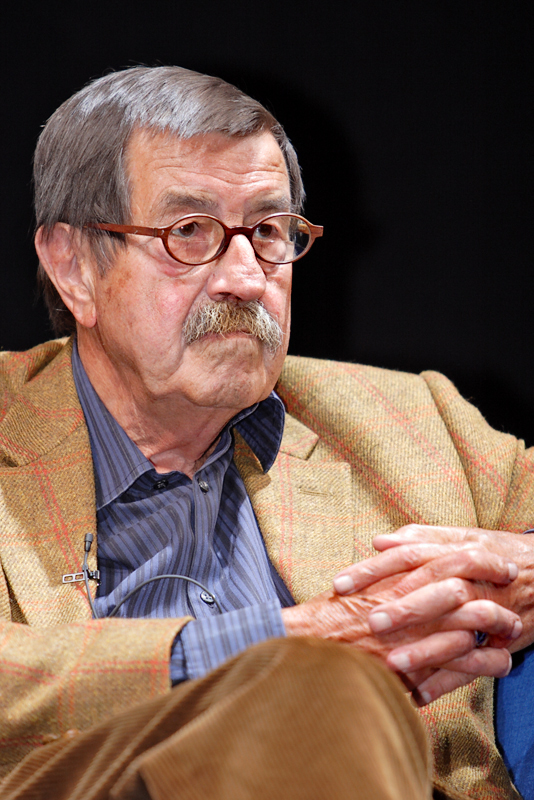


Life and career
Grass grew up during the turbulent decades surrounding the Second World War and emerged as a writer in the 1950s. He combined literary work with visual art—illustration, sculpture and printmaking—and often blended those sensibilities into dense, image‑rich prose. His reputation rests on a body of fiction, essays and public interventions that probe memory, guilt, identity and the moral reckonings of modern Germany. He was a central figure in debates about culture and politics in late 20th‑century Germany.
Major works and themes
Grass's fiction frequently merges realism with grotesque and fabulist elements. His best‑known book, The Tin Drum, tells the story of Oskar Matzerath, a boy who refuses to grow, and uses satire and surreal episodes to examine Germany's 20th‑century history. Other important works explore similar concerns—national memory, culpability and the private effects of political upheaval.
- The Tin Drum (Die Blechtrommel) – international breakthrough.
- Katz und Maus (Cat and Mouse) and Hundejahre (Dog Years) – linked novellas and novels examining youth and violence.
- Der Butt (The Flounder) and Im Krebsgang (Crabwalk) – later novels engaging history, myth and moral inquiry.
- Autobiographical writings and essays, including a memoir that reopened public discussion about his wartime past.
Reception and controversies
Grass won many literary prizes, culminating in the Nobel Prize in Literature, awarded for his ability to combine poetic imagination with biting social critique. His work has been translated widely and adapted for stage and screen; the film version of The Tin Drum achieved major international recognition. Later in life he stirred controversy when he revealed previously undisclosed aspects of his wartime service, a disclosure that provoked extensive public debate about memory and responsibility. He was also an outspoken public intellectual, engaging in political discussion that sometimes divided critics and readers.
Legacy
Günter Grass remains one of the most influential and debated figures of postwar European letters. His novels are studied for their layered narrative techniques, moral urgency and dark humor. While responses to his later candidness about his youth were mixed, his contribution to literature and public life endures: he prompted new conversations about how societies remember and reckon with troubled pasts, and his work continues to be translated, taught and adapted around the world.
For further reading, editions and adaptations of his work may be found through major libraries and literary collections; key place names connected to his life include Danzig, Gdańsk, Poland, Lübeck and Germany, while his signature novel is commonly referenced as The Tin Drum.
Questions and answers
Q: Who was Günter Wilhelm Grass?
A: Günter Wilhelm Grass was a German writer who won the Nobel Prize in Literature.
Q: When was Günter Grass born?
A: Günter Grass was born on October 16, 1927.
Q: Where was Günter Grass born?
A: Günter Grass was born in Danzig, which is now Gdańsk, Poland.
Q: When did Günter Grass die?
A: Günter Grass died on April 13, 2015.
Q: What was Günter Grass known for?
A: Günter Grass was known for writing the controversial, but yet classic novel The Tin Drum.
Q: Has Günter Grass won any awards for his work?
A: Yes, Günter Grass won the Nobel Prize in Literature.
Q: What is The Tin Drum?
A: The Tin Drum is a literary work by Günter Grass, which is a controversial but classic novel.
Related articles
Author
AlegsaOnline.com Günter Grass: German novelist, artist and Nobel laureate Leandro Alegsa
URL: https://en.alegsaonline.com/art/41454
Sources
- faz.net : "Günter Grass im Alter von 87 Jahren gestorben"
- ibtimes.co.uk : "Günter Grass: From the Nazi Waffen-SS to the Nobel prize for literature"
- dw.de : "Renowned German author Günter Grass dies, aged 87"