
Gulfport, Florida — coastal community on Boca Ciega Bay
Small coastal city on the Pinellas peninsula near St. Petersburg, Florida, known for its waterfront, arts scene, walkable downtown and community festivals.
Overview
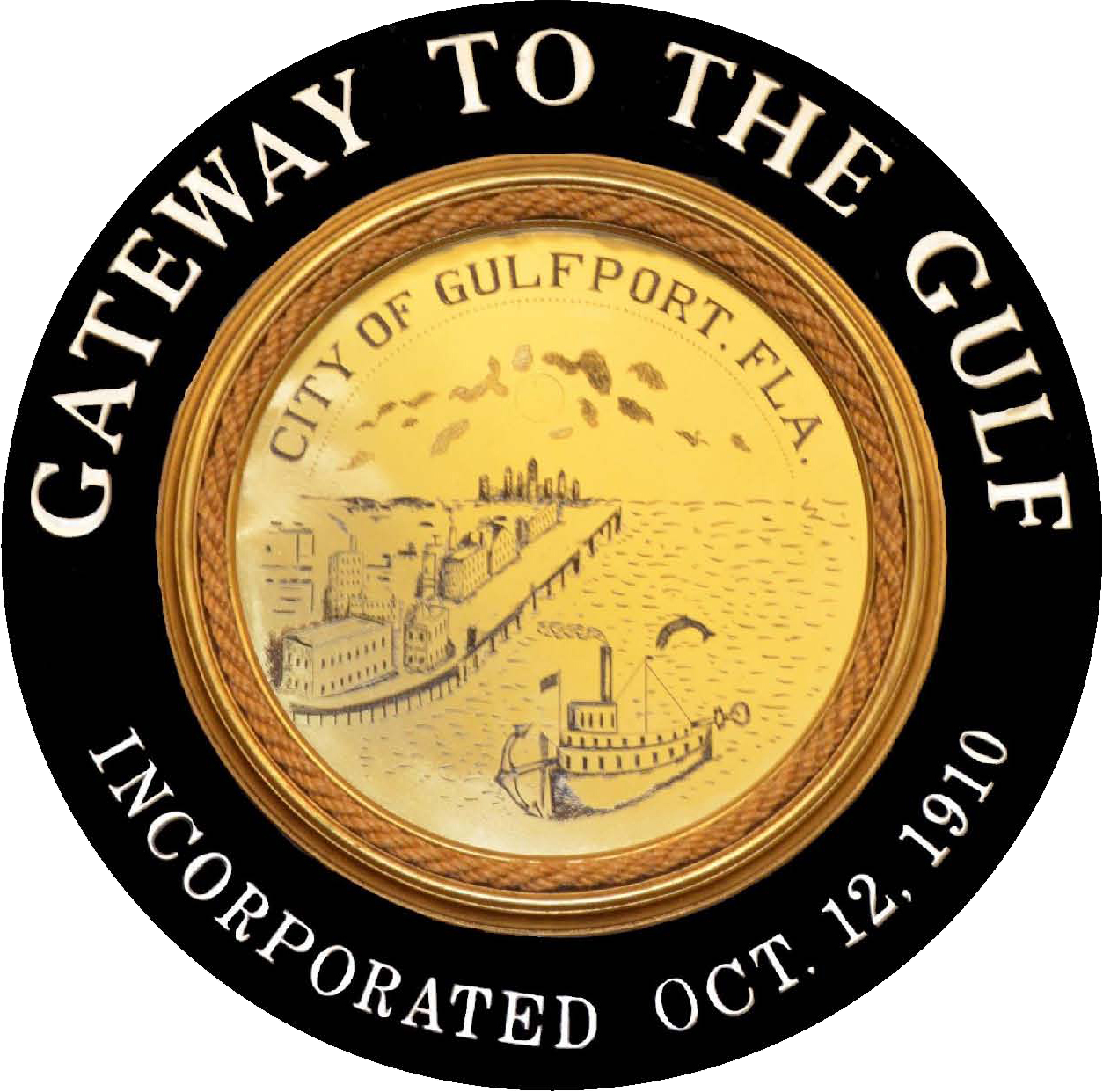
Gulfport is a compact coastal city on the west-central coast of Florida. Located on the Pinellas peninsula along Boca Ciega Bay, it sits near larger municipalities yet retains a distinct small-town character. The city mixes residential neighborhoods, a working waterfront, and a lively downtown composed of independent shops, galleries and cafes.
Image gallery
7 Images


Character and geography
Gulfport's shoreline, marinas and public parks are important to local life and to visitors. Streets close to the water are lined with older cottages and bungalows, creating a pedestrian-friendly core. The community benefits from proximity to barrier islands and sandy Gulf beaches, and is part of the broader Tampa Bay region.
History and development
Originally occupied by Indigenous peoples, the area that became Gulfport developed in the late 19th and early 20th centuries as a fishing and resort community. Over time it evolved into a small incorporated city with an emphasis on local business, waterfront activities and historic preservation. Its growth has been shaped by tourism, boating and the arts.
Economy, culture and events
Gulfport's economy centers on small retail, eateries, arts and services that cater to year-round residents and visitors. The city is known for regular community events, open-air markets and an active arts scene. Visitors often come for the relaxed atmosphere, galleries and outdoor dining.
Practical information and connections
Gulfport is accessible from nearby regional roads and airports and is commonly visited on day trips from neighboring cities. Local government, parks and visitor information are managed at the municipal level; for official resources see the city's pages and regional guides such as state resources and national overview sites like federal listings.
Notable distinctions
- Known for a concentrated arts and small-business district.
- Walkable downtown close to the water and marinas.
- Appeals to residents seeking a coastal lifestyle near larger urban centers.
Related articles
Author
AlegsaOnline.com Gulfport, Florida — coastal community on Boca Ciega Bay Leandro Alegsa
URL: https://en.alegsaonline.com/art/41387