
Guilford, Connecticut: Historic Coastal Town in New Haven County
Guilford is a coastal New England town in New Haven County, Connecticut, noted for its colonial-era green, historic architecture, shoreline, and community preservation. Population ~22,400 (2010–2015).
Overview
Guilford is a coastal town in New Haven County, in the state of Connecticut, United States. The town lies on Long Island Sound and combines a long New England history with residential neighborhoods, small commercial centers and a shoreline that supports recreational boating and coastal activities. The population was recorded as 22,375 at the 2010 census, with later estimates near 22,413 in the mid-2010s. Guilford has received recognition for its quality of life and historic character, including mention in national lifestyle publications.
Image gallery
10 Images





History
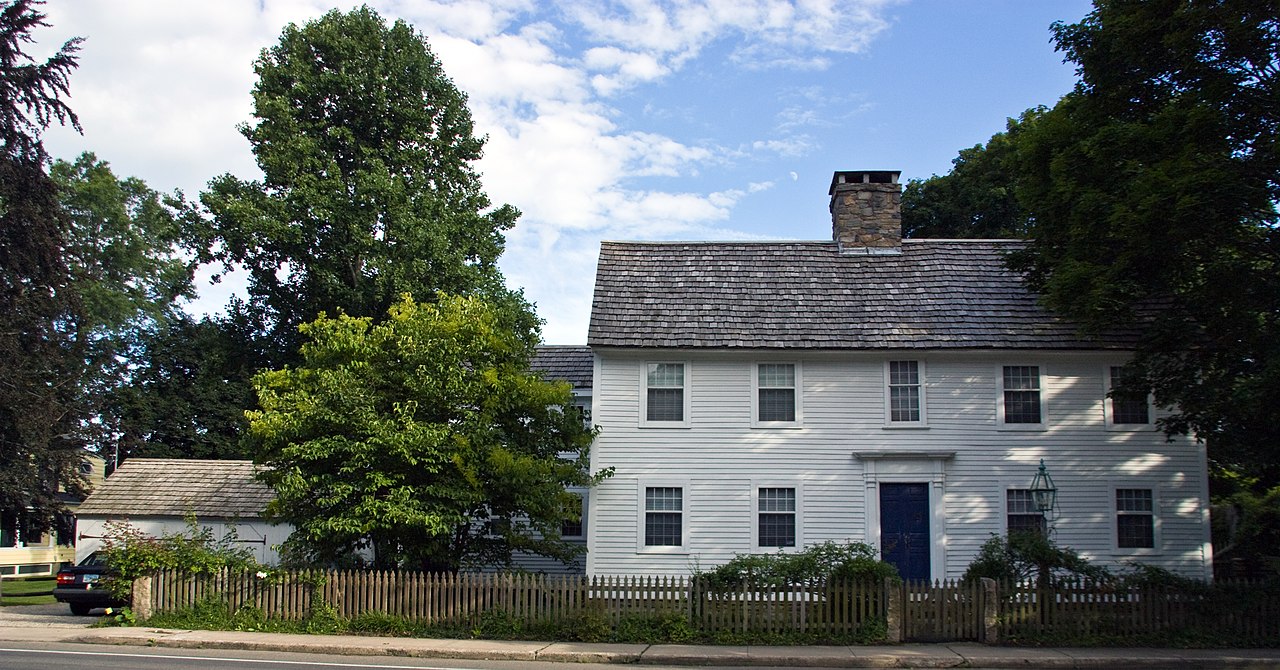
Guilford was founded during the colonial era; the settlement dates to the early 17th century and retains several 17th- and 18th-century sites. One notable historic property is the Henry Whitfield House, a 17th-century stone house now operated as a museum that illustrates early colonial architecture and settlement. The town green has long served as the community’s focal point and is surrounded by churches, homes and civic buildings that reflect Guilford’s development over three centuries.
Geography and environment
Located on the northern shore of Long Island Sound, Guilford includes a mix of coastal features, small harbors, tidal marshes and inland residential areas. The town’s shoreline offers beaches and public access points, and inland open spaces provide walking trails and conservation land. Local efforts focus on balancing development with protection of wetlands, scenic vistas and historic landscapes.
Built environment and preservation
Guilford’s town center is organized around a large, tree-lined green bordered by colonial and 19th-century houses, churches and municipal buildings. Preservation of historic structures is prominent: many properties are conserved through local historic district regulations, nonprofit preservation groups and voluntary stewardship by owners. These efforts contribute to a cohesive streetscape and attract visitors interested in architecture and local history.
Economy, culture and amenities
The local economy blends small businesses, professional services and tourism tied to historic sites and waterfront recreation. Cultural life includes seasonal festivals, farmers markets, arts organizations and performances staged near the green. Community institutions such as libraries, historic societies and civic groups maintain programs that highlight Guilford’s heritage and civic life.
Recreation and attractions
- Historic town green and surrounding colonial architecture.
- Maritime features: a working harbor, public beach access and opportunities for boating and birding.
- Museum sites and walking tours that interpret early settlement and local history.
Government, services and connections
Guilford is governed under Connecticut town structures with locally elected officials responsible for schools, public works and planning. The town is served regionally by transportation links and nearby urban centers; broader demographic and economic context can be found in federal and state summaries of communities in the United States. For current administrative details and services consult municipal resources and regional planning agencies.
Guilford remains a frequently cited example of a well-preserved New England town center where historic character, coastal setting and active community life combine to shape local identity. Visitors and residents alike value the town green, shoreline access and the continuity of historic buildings that tell the story of several centuries of New England settlement and change.
Related articles
Author
AlegsaOnline.com Guilford, Connecticut: Historic Coastal Town in New Haven County Leandro Alegsa
URL: https://en.alegsaonline.com/art/41278
Sources
- money.cnn.com : Money Top 100 Best Places to Live 2005