
Angela Carter: novelist and rewriter of fairy tales
Overview of Angela Carter, the English novelist and critic known for reworking fairy tales with feminist, gothic and surreal elements; summary of themes, major works, life and influence.
Angela Carter (born Angela Olive Stalker, 7 May 1940 – 16 February 1992) was an English novelist, short‑story writer and essayist celebrated for transforming traditional folk and fairy tales into dark, often eroticly charged fictions. Her work blends folklore, gothic atmosphere and sharp cultural critique to examine gender, power and storytelling itself.
Image gallery
1 Image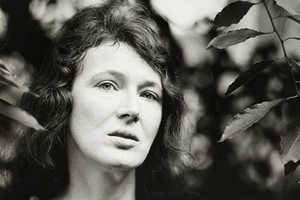
Themes and style
Carter's fiction is notable for baroque language, dense imagery and a theatrical sense of the carnivalesque. She used myth and folktale motifs as starting points, subverting familiar narratives to explore sexual politics, identity and the construction of desire. Her narratives often mix realism with magical or surreal elements and show a sustained interest in the body, costume and performance.
Major works
- The Bloody Chamber — a landmark short‑story collection that reimagines classic fairy tales.
- Nights at the Circus — a novel that interweaves myth and modernity around a fantastical heroine.
- Nonfiction and essays such as explorations of eroticism and the work of other writers, in which she combined criticism with literary invention.
Life and career
Carter was born in Eastbourne in Sussex and spent much of her life in England, with periods abroad and work as a journalist and teacher. Her literary career gathered pace in the 1970s and 1980s as she published fiction and cultural criticism that attracted both popular and academic attention. She died in London in 1992.
Reception and influence
Her writing has been influential across literature, theatre and film, inspiring adaptations and critical debate. Critics and scholars prize her for linguistic virtuosity and for foregrounding feminist reworkings of folklore. Collections, scholarly studies and new editions have sustained interest in her work into the 21st century.
Notable facts and resources
Carter's approach encouraged readers to question how stories shape social norms and personal identity. For introductory biographies and archives see links connected to her name, birthplace and legacy: Eastbourne, Sussex, England and accounts of her later life in London.
Related articles
Author
AlegsaOnline.com Angela Carter: novelist and rewriter of fairy tales Leandro Alegsa
URL: https://en.alegsaonline.com/art/4118
Sources
- britannica.com : "Angela Carter | British author"