
Grim Fandango (video game)
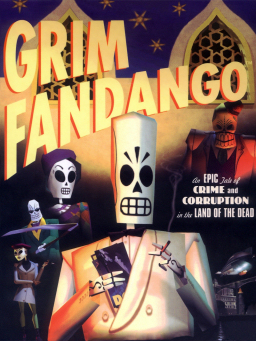
Grim Fandango is a 1998 adventure game from LucasArts blending film noir and Mexican Day of the Dead imagery; directed by Tim Schafer and later remastered in 2015 by Double Fine.
Overview
Grim Fandango is a story-driven point-and-click adventure game originally published by LucasArts for Windows in 1998. Directed by Tim Schafer, the title mixes film-noir storytelling, jazz-inflected music, and imagery inspired by the Mexican Day of the Dead to create a distinctive afterlife setting where the dead travel to their final destination.
Image gallery
10 Images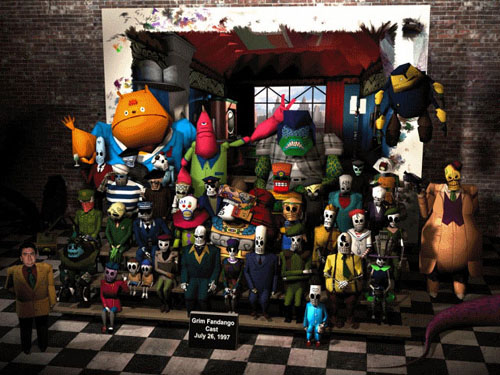



Gameplay and characters
Players control Manuel "Manny" Calavera, a travel agent in the Land of the Dead who becomes entangled in a conspiracy. Gameplay emphasizes exploration, dialogue, inventory puzzles and problem solving rather than action. Conversations, item combinations and environmental puzzles drive the plot forward across several narrative chapters.
Art, music and technical design
The game was notable for its visual style: stylized skeletal characters, art-deco and noir set-pieces, and richly composed scenes that evoke a cinematic atmosphere. At release it combined 3D character models with carefully composed environments and a soundtrack that blends jazz, Latin, and orchestral elements to support the mood and themes.
Development and release
Grim Fandango was developed at LucasArts and directed by Schafer following his earlier adventure work. Although it received wide critical acclaim for writing, design and art direction, its commercial performance at launch was modest. Over time it achieved strong cult status among adventure game fans.
Remaster and legacy
In 2015 a remastered edition was produced by Double Fine, updating visuals, controls and audio for modern platforms while preserving the original narrative and puzzles. The game is frequently cited in discussions of narrative design in games and remains influential for designers interested in blending genre, culture and character-driven storytelling.
Notable elements
- Unique fusion of noir and Mexican folk motifs
- Emphasis on story and character over action
- Inventive puzzles tied to narrative progression
- Remastered re-release that renewed critical interest
Related articles
Author
AlegsaOnline.com Grim Fandango (video game) Leandro Alegsa
URL: https://en.alegsaonline.com/art/40930
Sources
- youtube.com : 8 Inspirations for Grim Fandango
- top100.ign.com : "IGN Top 100 Games 2007 | 36 Grim Fandango"