
Greensboro, North Carolina: City profile and history
Greensboro is a major city in central North Carolina's Piedmont Triad. This article describes its location, history, economy, institutions, culture, and notable facts.
Overview
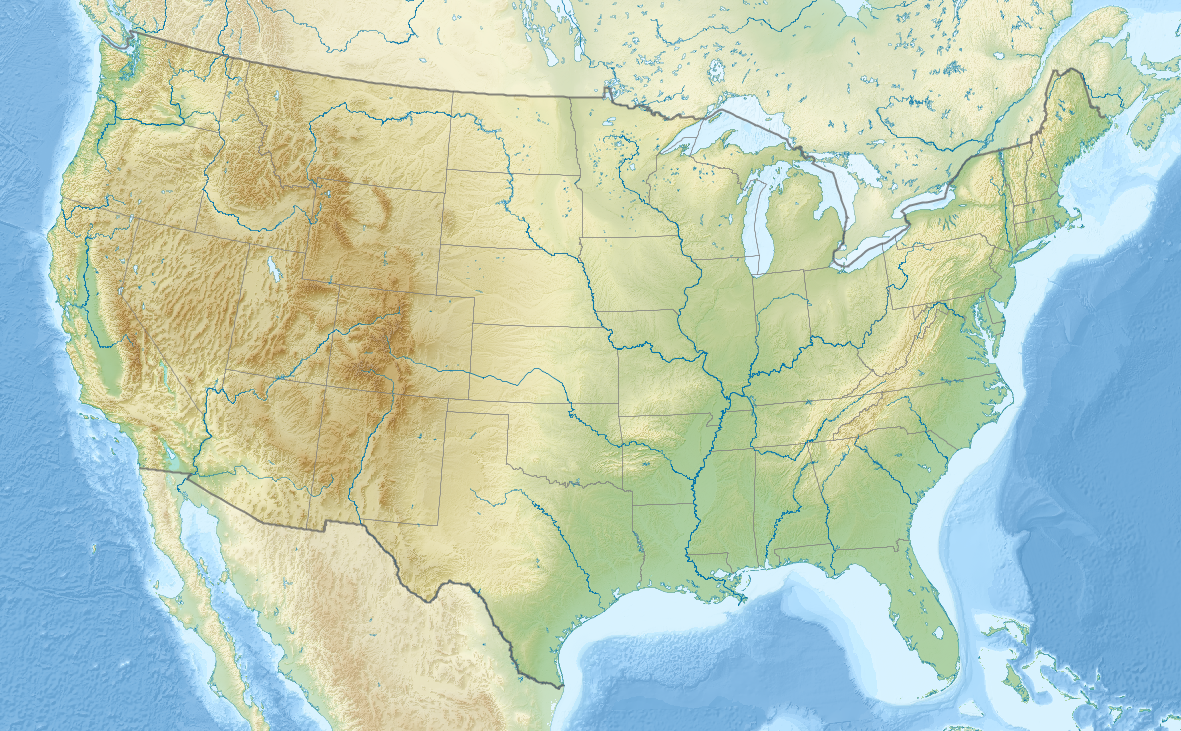
Greensboro is a principal city in the Piedmont region of the eastern United States, located in the state of North Carolina. With a population of roughly 260,000 residents, it forms one vertex of the Triad alongside nearby Winston-Salem and High Point. The city lies within Guilford County and serves as an economic and cultural center for central North Carolina.
Image gallery
10 Images



Geography and neighborhoods
Greensboro sits on the Piedmont plateau, characterized by rolling hills and a temperate climate. The urban area includes diverse neighborhoods, business districts and suburban corridors. Parks, greenways and public recreational spaces are integrated throughout the city, providing outdoor amenities for residents and visitors.
History and development
Founded in the early 19th century and named for Revolutionary War general Nathanael Greene, Greensboro grew from an agricultural market town into an industrial and rail hub. The city played a prominent role in the civil rights movement; the 1960 sit-ins at a downtown lunch counter are an enduring part of its legacy and part of national civil rights history.
Economy, education and institutions
Greensboro's economy is diverse: manufacturing, logistics, education, healthcare and professional services all have a presence. It is served by a regional airport and highway connections that support distribution and trade. Major higher-education institutions and research centers contribute to the local workforce and culture.
Culture, attractions and notable facts
The city hosts performing arts venues, museums, festivals and college sports events. Notable attractions include historic districts, botanical gardens and civic institutions. Greensboro often appears in regional planning as a center of commerce and higher education within the state and the broader Triad.
Quick facts
- Part of the Piedmont Triad metropolitan area.
- Important in civil rights history for the 1960 sit-ins.
- Home to several universities and cultural institutions.
Related articles
Author
AlegsaOnline.com Greensboro, North Carolina: City profile and history Leandro Alegsa
URL: https://en.alegsaonline.com/art/40756
Sources
- geonames.usgs.gov : "GNIS Detail - Greensboro"