
Greenlee County, Arizona — overview, history, and economy
Greenlee County is a sparsely populated county in southeastern Arizona known for its copper mining history, rural communities, and rugged terrain. Clifton is the county seat.
Overview
Greenlee County is an administrative region and sparsely settled county in the southeastern corner of the U.S. state Arizona. Created in the early 20th century, it combines desert basins, river corridors and mountain foothills. The landscape and climate reflect a transition between the Basin and Range province and higher plateaus to the north and east.
Image gallery
3 Images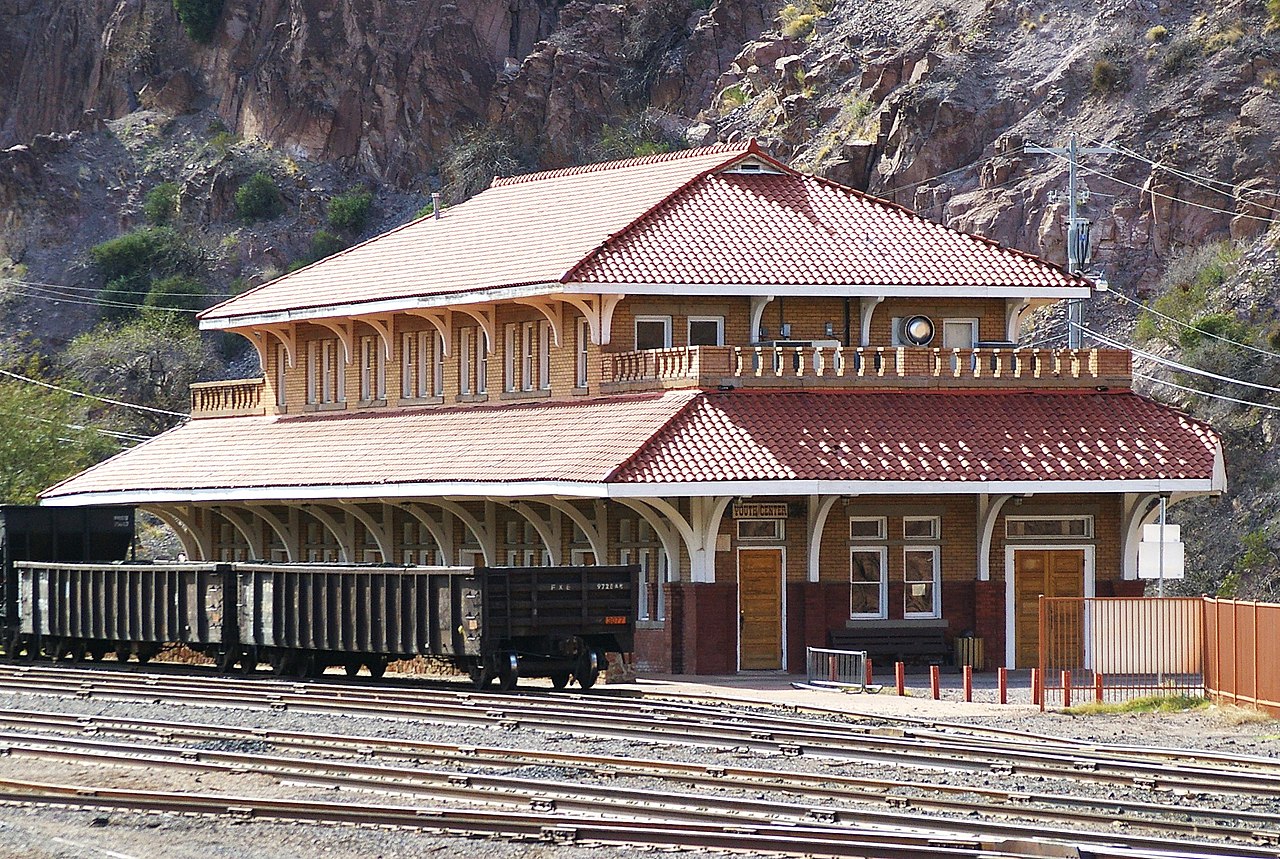


Population and communities
According to the 2010 census, Greenlee County had a total population of 8,437, making it the least populous county in the state at that time. Communities are small and dispersed; the county seat is county seat Clifton, which together with nearby Morenci serves as the social and economic center for the area.
Geography and natural features
The county occupies a largely rugged terrain with narrow river valleys, including portions of the Gila River watershed, and steep canyonlands. Elevations vary enough to support a mix of desert vegetation, riparian corridors and pinyon-juniper slopes. Wildlife, hunting and outdoor recreation draw local visitors, though much of the land remains remote.
Economy and land use
Mining—especially copper extraction around Morenci and Clifton—has historically dominated the local economy and still provides the bulk of employment and tax revenue. Small-scale ranching, service businesses, and public administration round out the economic picture. The mining operations have shaped settlement patterns, transportation links and the county’s infrastructure.
History and government
Formed in the early 1900s, Greenlee County developed alongside mining booms that brought workers, companies and light industry to the region. Local government is responsible for maintaining roads, land-use planning and services for a widely dispersed population; county offices are based in Clifton.
Notable facts and points of interest
- Key towns: Clifton and Morenci.
- Major industry: copper mining and related support services.
- Outdoor attractions: river canyons, rugged hiking and wildlife viewing.
For readers seeking more detail on demographics, mining history or recreational opportunities, local government resources and regional guides provide deeper, up-to-date information.
Related articles
Author
AlegsaOnline.com Greenlee County, Arizona — overview, history, and economy Leandro Alegsa
URL: https://en.alegsaonline.com/art/40750